Why Private School

A comprehensive look at private schools and why they might be right for your child. Explore the history of private school education, weigh the pros and cons of public vs. private school, and get valuable advice on making the best choice for your child. Learn more about the various types of private schools from military to progressive and review directories from a variety of resources including private school associations and offline publications.

View the most popular articles in Why Private School:

Socialization Myths About Homeschooled Students

Updated
|
Socialization Myths About Homeschooled Students
What research says about socialization myths surrounding homeschooled students, including peer interaction, college readiness, and social skills.

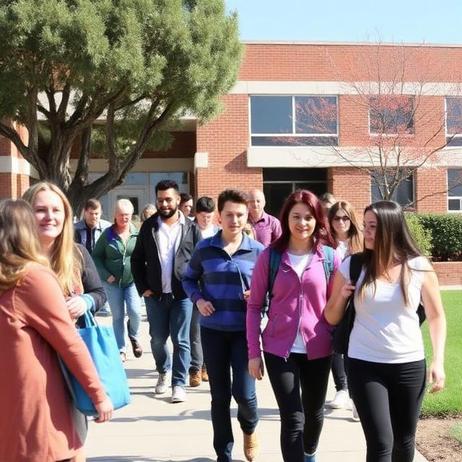
For decades, one of the most persistent criticisms of homeschooling has centered on socialization. Critics often assume that homeschooled students spend most of their time isolated from peers, missing opportunities to develop communication skills, teamwork, and emotional maturity.

Yet the modern homeschooling landscape looks very different from the stereotypes many parents still hear. In 2026, homeschooling is no longer a fringe educational choice. According to data from the National Center for Education Statistics, millions of American students now participate in some form of home-based education, including hybrid models, microschools, online academies, and co-op learning communities.

As homeschooling has evolved, so has the research surrounding social development. Studies increasingly show that socialization outcomes depend less on where students learn and more on the quality and diversity of their interactions.

This article examines the most common socialization myths about homeschooled students and what current research actually reveals.

Why the Socialization Question Persists

The socialization debate partly stems from how traditional schools have historically been viewed. Many people equate school attendance with social development because schools naturally provide:

  • Daily peer interaction
  • Group projects and extracurricular activities
  • Exposure to authority figures
  • Opportunities for conflict resolution
  • Structured social environments

When families choose homeschooling, skeptics often wonder whether children will miss these developmental experiences.

However, researchers increasingly note that socialization is not limited to classroom settings. Children develop social skills through family relationships, community involvement, sports, volunteer work, religious organizations, clubs, employment, and informal peer interactions.

The key question is no longer whether homeschooled students socialize, but how
. . .read more

Technology in Private School Classrooms in 2026

Updated
|
Technology in Private School Classrooms in 2026
Explore how technology in private school classrooms is transforming learning, AI integration, STEM education, and digital wellness in 2026.

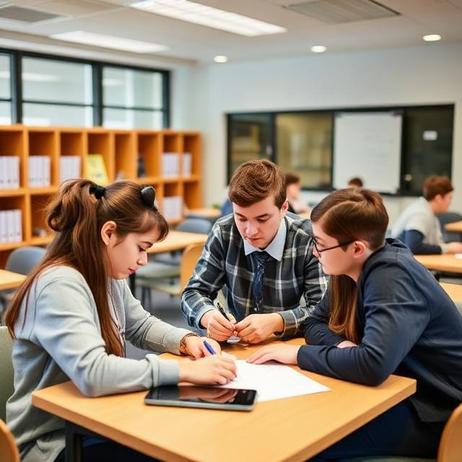
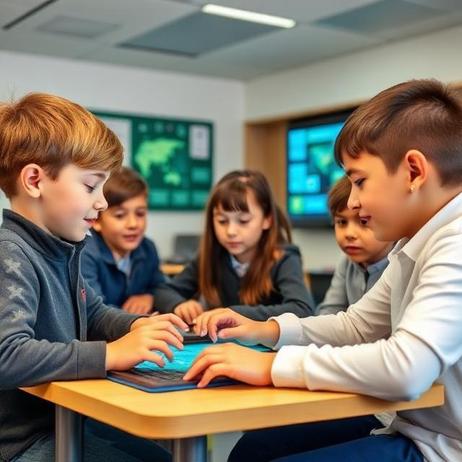
Technology in private school classrooms has evolved far beyond laptops and smartboards. In 2026, many private schools are integrating artificial intelligence, adaptive learning platforms, immersive STEM labs, and digital wellness strategies into everyday instruction.

For parents evaluating private education options, technology is now a major consideration alongside academics, extracurricular opportunities, and class size. Families increasingly want to know not only whether schools use technology, but how thoughtfully they use it.

Private schools often have the flexibility and resources to adopt new educational technologies faster than larger public systems. However, the best schools are balancing innovation with strong teaching practices, student wellbeing, and meaningful human interaction.

This updated guide explores how technology in private school classrooms is changing education in 2026, what trends families should watch, and what questions parents should ask when evaluating schools.

How Technology in Private School Classrooms Has Changed

A decade ago, classroom technology often meant computer labs, tablets, or digital projectors. Today, technology is embedded into nearly every aspect of learning and school operations.

Many private schools now use:

  • AI-assisted learning platforms
  • Adaptive instructional software
  • Interactive whiteboards and collaborative displays
  • Robotics and engineering labs
  • Virtual and augmented reality tools
  • Learning management systems (LMS)
  • Cloud-based student portfolios
  • Digital wellness monitoring programs

According to the National Center for Education Statistics, digital learning adoption continues to expand across K-12 education, particularly in schools emphasizing STEM and personalized learning models.

Private schools are also using technology to support individualized instruction, which remains one of the sector’s biggest advantages.

For additional insight into broader

. . .read more

Private School Accreditation Explained (2026 Guide)

Updated
|
Private School Accreditation Explained (2026 Guide)
Learn how private school accreditation works, why it matters, and how parents can evaluate accredited schools in 2026.

Choosing a private school involves far more than comparing tuition, class size, or academic programs. One of the most important indicators of school quality is accreditation. For parents researching educational options in 2026, understanding private school accreditation can help separate well-established institutions from schools that may lack accountability or oversight.

Private school accreditation is a formal review process conducted by independent accrediting agencies. These organizations evaluate whether a school meets established standards in academics, governance, faculty qualifications, student support, and long-term institutional stability.

While accreditation is voluntary for most private schools, it remains one of the clearest signals that a school is committed to continuous improvement and educational quality.

What Is Private School Accreditation?

Private school accreditation is an external evaluation process designed to assess whether a school meets recognized educational standards. Accredited schools undergo comprehensive reviews that typically include:

  • Institutional self-studies
  • Peer evaluations
  • Campus visits
  • Ongoing performance reviews
  • Periodic re-accreditation

Unlike public schools, which are overseen directly by state education systems, private schools operate independently. Accreditation provides a form of external accountability that reassures families and colleges alike.

Parents exploring broader private education topics may also find it helpful to read What’s a Private School? A 2025 Guide for Parents & Students.

Why Accreditation Matters

Accreditation affects far more than a school’s reputation. It can influence academic quality, student transfers, college admissions, and even eligibility for certain scholarships or state programs.

Academic Quality Assurance

Accredited schools must demonstrate that their curriculum, instruction, and assessment systems meet accepted educational standards.

This

. . .read more

How Private Schools Support Students Building Online Personal Brands

Updated
|
How Private Schools Support Students Building Online Personal Brands
Discover how private schools help students build responsible online personal brands through digital literacy, entrepreneurship, and media education.

For today’s students, an online presence is no longer optional. College admissions officers, scholarship committees, internship coordinators, and future employers increasingly evaluate applicants through their digital footprints. As a result, many private schools are expanding beyond traditional academics to help students build thoughtful, responsible, and professional online personal brands.

This shift reflects a broader evolution in private education. Schools are recognizing that students need more than strong grades and extracurricular involvement. They also need digital communication skills, media literacy, online professionalism, and the ability to present themselves authentically in digital spaces.

Many schools now incorporate personal branding into entrepreneurship programs, digital citizenship curricula, leadership training, and project-based learning initiatives. These efforts align with a growing emphasis on real-world readiness and applied learning.

Families exploring modern private education models may also want to review How Private Schools Support Student Entrepreneurship, since entrepreneurial learning and personal branding often develop together.

Why Online Personal Branding Matters for Students

A personal brand is not simply social media popularity. In educational settings, it refers to how students present their interests, values, accomplishments, and communication style online.

Students increasingly maintain digital portfolios, LinkedIn profiles, creative websites, coding repositories, podcasts, YouTube channels, or academic blogs. Colleges and employers may review these platforms to better understand a student’s initiative, creativity, and communication abilities.

According to the National Association for College Admission Counseling, many admissions officers review publicly available online content when evaluating applicants. Similarly, internship and scholarship applications increasingly request digital portfolios or

. . .read more

Homework Policies in Private Schools: 2026 Guide

Updated
|
Homework Policies in Private Schools: 2026 Guide
Explore how homework policies in private schools are evolving in 2026, including workload trends, wellness initiatives, and parent expectations.

Homework policies in private schools have changed significantly over the past decade. While academic rigor remains a hallmark of many independent schools, educators in 2026 are increasingly balancing challenging coursework with student wellness, executive functioning skills, and family time.

Today’s private schools are moving away from a one-size-fits-all approach to homework. Some schools continue to emphasize nightly assignments and independent study, while others are experimenting with reduced homework loads, project-based learning, or structured study periods built into the school day.

For parents evaluating private school options, understanding how homework policies differ from school to school has become an important part of the admissions process.

Why Homework Policies Are Changing

The debate around homework is not new, but several recent developments have accelerated change in private education:

  • Growing concerns about student stress and burnout
  • Increased awareness of adolescent mental health
  • Expanded use of personalized learning models
  • Research questioning the effectiveness of excessive homework in younger grades
  • Greater emphasis on balance, extracurricular involvement, and sleep

Organizations such as the American Academy of Pediatrics and the National Education Association have continued encouraging schools to consider age-appropriate workloads and healthy time management practices.

In response, many private schools are reevaluating how much homework students receive and whether assignments meaningfully reinforce classroom learning.

Common Homework Models in Private Schools

Private schools now tend to follow one of several homework philosophies.

Homework ModelTypical FeaturesCommon Grade Levels
Traditional HomeworkNightly assignments, reading, problem sets, essaysMiddle and upper school
Reduced HomeworkLimited nightly work, focus on masteryElementary grades
Homework-FreeMinimal take-home work
. . .read more

Recent Articles

Should Your Child Stay at the Same Private School K–12?
Explore whether your child should attend the same private school from kindergarten through graduation, weighing academic continuity, friendships, changing needs, tuition costs, and opportunities at different educational stages.
When Your Child's Closest Friends Leave Private School
Learn how to support your child when close friends leave private school, manage loneliness, maintain friendships, encourage new connections, recognize emotional challenges, and decide when additional school support is needed.
When Your Child Doesn't Connect With Their Teacher
Discover when parents should intervene if their child struggles to connect with a private school teacher, including warning signs, communication strategies, classroom concerns, and practical steps toward improving relationships.

Why Private School

ABOUT PRIVATE SCHOOLS
An in depth look at private schools, including history, a comparison to public education, and a glimpse of what's being taught. Learn about the benefits of attending private school, to both students and parents. Explore private schools options when living abroad, and debunk many of the myths regarding private school education.
KINDS OF SCHOOLS
Private schools are just as varied as public schools. From Catholic to progressive, military to special needs, private schools offer a lot of options. Take a comprehensive look into the many types of private schools, weigh the pros and cons of each, and get helpful tips on choosing one that works best for your child.
SCHOOL LIFE
Get a glimpse of private school life. Here you'll find a survival guide for parents, brush up on terms and jargon, and learn why extracurricular activities are so important.
DIRECTORIES
We offer several directories to aid in your choice of a private school. Included are quick links to national, regional and state associations, a list of offline resources to aid in our decision, and local school directories for several metropolitan areas.