Finding Schools

Learn more about how to find and evaluate private schools. Find out why price should not be your only consideration. Get valuable advice on how to save time and money when choosing a school. Learn more about ranking schools and why it may not work.

View the most popular articles in Finding Schools:

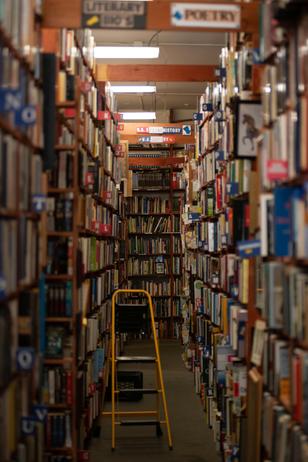
How to Search for Private Schools — 2025 Guide

Updated
|
How to Search for Private Schools — 2025 Guide
A practical 2025-update on how to search for private schools, cover tuition, demographics, enrollment trends and expert tips

How to Search for Schools (Updated for 2025)

Selecting the right private school is one of the most important decisions a family can make. In this revised 2025 edition of our guide, we walk you through a structured process to identify, evaluate and select a private school—incorporating the latest tuition data, enrollment trends, program updates and expert perspectives.

1. Set your priorities: academics, values, and logistics

Start by clarifying what matters most to your family—and students. Are you seeking rigorous academics, a STEM-strong program, small class sizes, a religious orientation, or robust arts/athletics? Do you need after-school care, transportation or boarding options? Your definition of “fit” will shape your school search.

For example, one parent tells us: “We wanted a school where our daughter would experience not just strong math and science, but a community that aligned with our values.” That combination helped them narrow from dozens of options to three finalists.

As you set priorities ask:

  • What grade levels does the school serve (K-12, middle + high, boarding)?
  • Is the school co-educational, single-gender, day or boarding?
  • What student-teacher ratios and class sizes can you anticipate?
  • What support services (learning differences, ADD/ADHD, ESL) are offered?
  • What is the cultural ethos and parent-community involvement like?

2. Use robust search tools wisely

Tools such as the search engine on Private School Review (PSR) allow you to filter by location, grade level, school focus, learning-difference support and more. Private School Review

Another authoritative search is the National Center for Education Statistics (NCES) Private

. . .read more

The Spectrum of Islamic Education: From Secular to Orthodox

Updated
|
The Spectrum of Islamic Education: From Secular to Orthodox
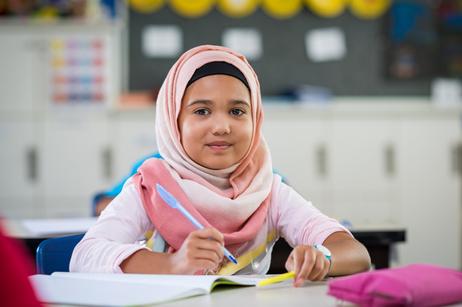
This article explores the importance of Islamic K-12 education in today's secular society, providing a roadmap for parents to nurture their children's faith and academic success. Through a question-and-answer format between a parent and an imam, it addresses key aspects such as the types of Islamic education available, when to start, and how to balance religious and secular learning. The essay emphasizes the spiritual and moral benefits of instilling Islamic values in young people, offering practical advice and inspiration for families seeking to raise well-rounded and faithful individuals.

One of the reasons many parents send their children to private schools is to receive a comprehensive approach to their religion in the school's curriculum and activities. In this article, we'll offer some answers to questions about an Islamic education.

Looking for Islamic schools? Use the powerful search engine on PrivateSchoolReview.com to see what schools are near you. Your Imam will also be able to help you select schools.

After you click on 'Find Schools', click on 'More search options'

Then select 'Religious affiliation '.

Common Questions About Islamic Schools

Now, here are some common questions parents have about sending their children to an Islamic school.

Parent: Who should consider an Islamic education for their child?

Imam: Any parent who wishes to instill Islamic values, ethics, and knowledge in their children should consider an Islamic education. In today’s secular society, where competing ideologies and distractions often challenge our faith, it is essential to provide young people with a strong foundation in Islam. As the Prophet Muhammad (peace be upon him) said, "طلب العلم فريضة على كل مسلم" (Talabal-'ilm fareedah'alakulli muslim) — "Seeking knowledge is an obligation upon every Muslim." An Islamic education ensures that children grow up understanding their identity as Muslims while learning how to navigate the world with confidence and faith.

Our mission at MAYA School

. . .read more

6 Schools and Their Beginnings

Updated
|
6 Schools and Their Beginnings
This article explores the rich histories of several prestigious schools in the United States, including the Allen-Stevenson School, Lycée Français de New York, Catherine Cook School, Shattuck-St. Mary's School, and The Spence School. It explores their origins, founders, growth, philosophies, and enduring legacies, highlighting their commitment to academic excellence and progressive education principles.

Have you ever wondered how a private school got its start? When and why was it founded? Who founded it? As I researched this article, which is a companion article to several I have written for Boarding School Review about boarding schools, I found a common thread. The founders of all these schools sought to provide a balanced, comprehensive, excellent education for their students.

Allen-Stevenson School, New York, New York

  • Founded in 1883
  • 200 students
  • Grades K-8
  • Boys
  • Non-denominational
  • Urban setting

The Allen-Stevenson School in New York City was founded in 1883 by Francis Bellows Allen at a home on Fifth Avenue and 57th Street. It started with only three boys enrolled in its first class. In 1885, the school moved to rented rooms at Madison Avenue and 44th Street with an enrollment of 20 boys. In 1904, Allen met Robert Alston Stevenson, a tutor, and they joined forces, moving the school to 50 East 57th Street with 100 students. By 1918, enrollment exceeded 200 students. In 1924, the school purchased two brownstones and moved to its present location at 132 East 78th Street on the Upper East Side. Allen retired in 1939 at age 80 after 56 years of service, while Stevenson retired in 1947 after 43 years, with his son Robert "Huck" Alston Stevenson Jr. succeeding him as Headmaster. Over the years, the school has expanded its facilities, introduced new academic and extracurricular programs, and celebrated significant milestones like its centennial in 1983. It remains an all-boys

. . .read more

All About JROTC

Updated
|
All About JROTC
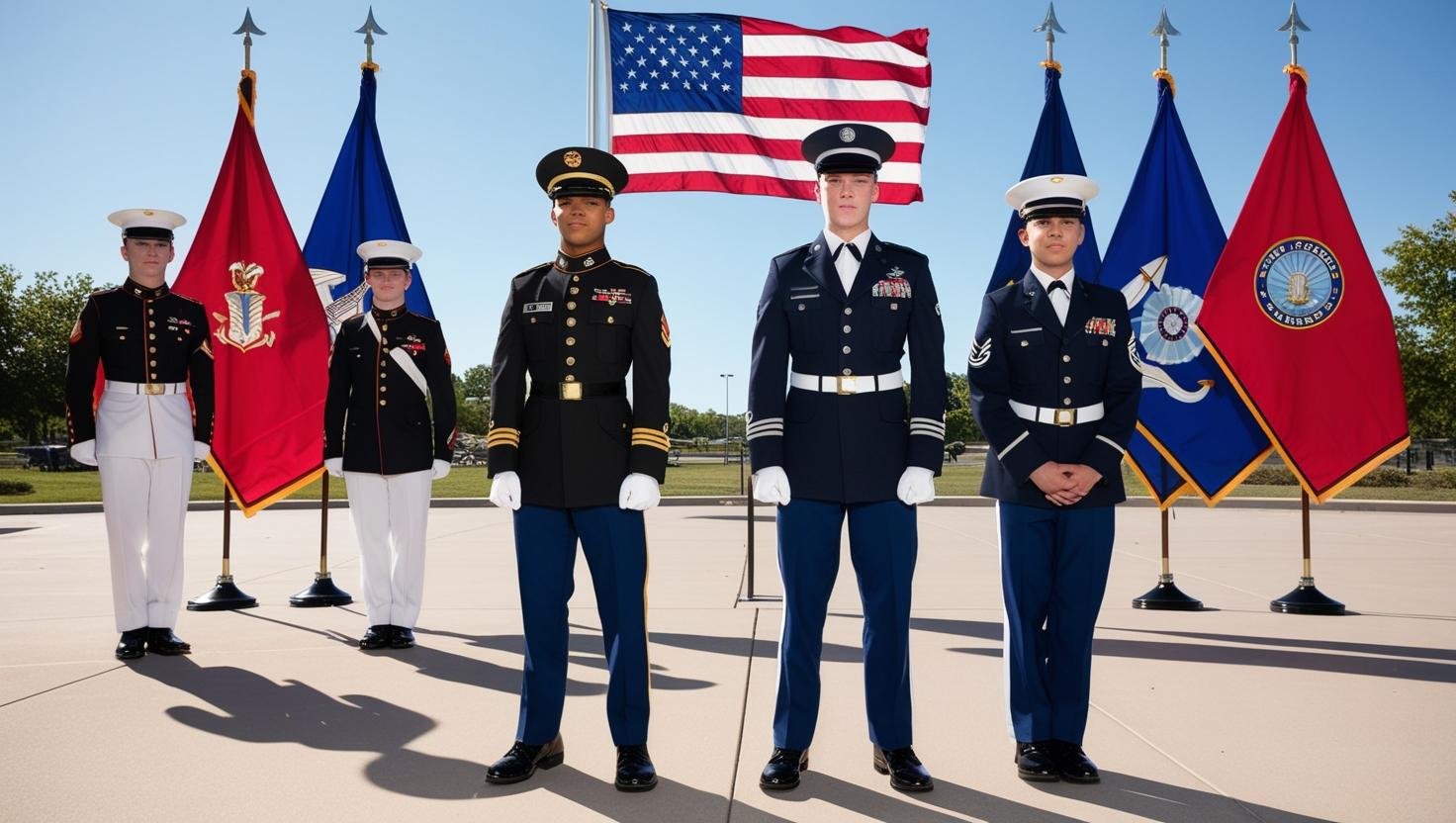
Explore the multifaceted advantages of Junior Reserve Officers' Training Corps (JROTC) programs in private schools. Delve into how JROTC cultivates leadership, discipline, and citizenship skills among students, contributing to their holistic development and future success.

https://www.aetc.af.mil/News/Article-Display/Article/3813058/flight-academy/

All About JROTC

How did JROTC get its start?

The Junior Reserve Officers' Training Corps (JROTC) program has its roots in the National Defense Act of 1916.

  • The NDA of 1916 authorized military training in secondary schools.
  • Initially known as the Reserve Officers' Training Corps (ROTC), the program aimed to prepare young Americans for military service while still in high school.
  • Following World War I, the ROTC underwent significant expansion. In 1919, the first high school unit was established at Manual High School in Indianapolis, Indiana.
  • Over time, the program evolved to include junior-level training, leading to the establishment of the JROTC in 1964.

JROTC's primary purpose is to instill in students the values of citizenship, service to the community, personal responsibility, and a sense of accomplishment.

  • While military training remains a core component, the program also emphasizes leadership development, character education, and physical fitness.
  • Today, JROTC has units in over 1,700 high schools across the United States and its territories.
  • These units are sponsored by the Army, Navy, Air Force, and Marine Corps and operate under the guidance of active-duty or retired military instructors.

Participation in JROTC is voluntary, and students who complete the program are not obligated to join the military.

  • However, they may benefit if they enlist or pursue a commission.
  • Overall, the JROTC program plays a vital role in shaping the lives of young Americans, providing them with valuable skills, leadership training,
. . .read more

Exploring Reasons for Choosing Religious Schools for Children

Updated
|
Exploring Reasons for Choosing Religious Schools for Children
This article delves into the reasons why parents choose religious schools for their children. It provides insights into the educational philosophies of Roman Catholic, Episcopalian, Seventh Day Adventist, Muslim, Jewish, Quaker, and Christian schools. By exploring the unique offerings of each religious affiliation, parents can gain a better understanding of how these schools align with their values and aspirations for their children's education.

Choosing the right educational environment for a child is crucial for parents. For some, the decision involves considering religious schools as an option. Religion cannot be taught in public schools per se. The concept of the separation of church and state is a fundamental principle in American jurisprudence that emphasizes the independence and autonomy of religious and governmental institutions. It refers to the constitutional principle rooted in the First Amendment of the United States Constitution, which states, "Congress shall make no law respecting an establishment of religion or prohibiting the free exercise thereof."

Sending your child to a religious school offers the unique advantage of an education that integrates faith, values, and academics, providing a solid foundation for spiritual, moral, and intellectual growth.

In this article, we will explore why parents might choose to send their children to religious schools, focusing on specific religious affiliations.

Roman Catholic

  • Strong Moral Foundation
    Roman Catholic schools emphasize the importance of moral values and character development. Parents may choose these schools to provide their children with a solid ethical framework.

  • Faith Integration
    Catholic schools incorporate religious teachings into various aspects of education. Parents who prioritize religious instruction may opt for Catholic schools to ensure their children receive a comprehensive faith-based education.

  • Community and Sacraments
    Catholic schools often provide a close-knit community where children can form lasting relationships. Additionally, these schools offer opportunities for students to actively participate in sacraments, fostering a deeper connection to their faith.

Episcopalian

  • Inclusive and

. . .read more

Recent Articles

Should Your Child Stay at the Same Private School K–12?
Explore whether your child should attend the same private school from kindergarten through graduation, weighing academic continuity, friendships, changing needs, tuition costs, and opportunities at different educational stages.
When Your Child's Closest Friends Leave Private School
Learn how to support your child when close friends leave private school, manage loneliness, maintain friendships, encourage new connections, recognize emotional challenges, and decide when additional school support is needed.
When Your Child Doesn't Connect With Their Teacher
Discover when parents should intervene if their child struggles to connect with a private school teacher, including warning signs, communication strategies, classroom concerns, and practical steps toward improving relationships.

Choosing a Private School