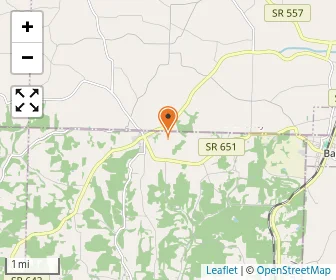
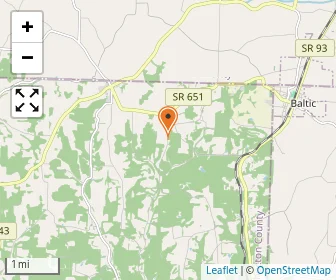
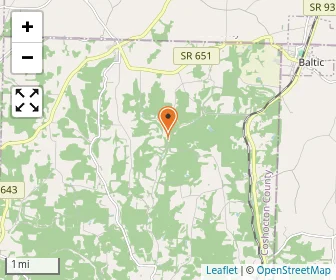
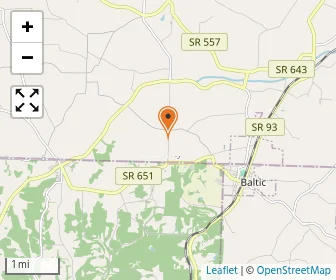
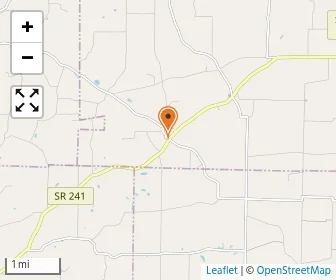
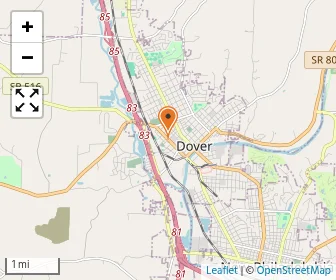
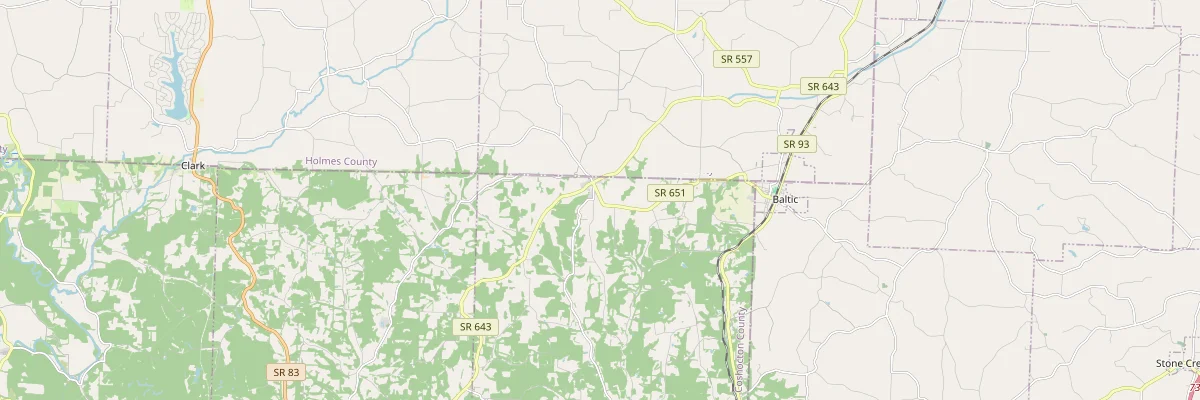
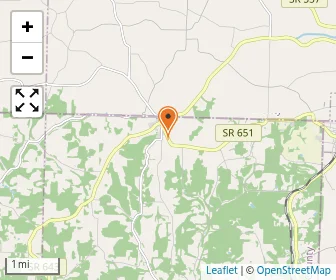
New Bedford School in Baltic, OH, serves 27 students from kindergarten through 8th grade in a rural community setting.
The school has an Amish orientation and other religious affiliation, offering a co–educational regular elementary and secondary program.
New Bedford School maintains a student–teacher ratio of 14:1 with two full–time teachers.
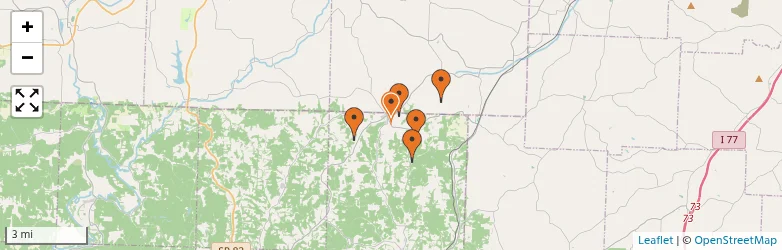
Nearby rural K–8 schools in Baltic have similar enrollment sizes and student–teacher ratios, providing local context for families exploring education options.
Quick Facts (2026)
- Grades: Kindergarten-8
- Enrollment: 27 students
- Application Deadline: None / Rolling
- Source: National Center for Education Statistics (NCES)

School Overview
Religious Affiliation
Grades Offered
Grades Kindergarten-8
Student Body
Total Students
27 students
Student Body Type
Co-ed
Students by Grade
Academics and Faculty
Total Classroom Teachers
2 teachers
Student-Teacher Ratio
14:1
National avg.: 13:1
Tuition and Acceptance Rate
Admission Deadline
None / Rolling
Source: National Center for Education Statistics (NCES)
Frequently Asked Questions
When is the application deadline for New Bedford School?
The application deadline for New Bedford School is rolling (applications are reviewed as they are received year-round).
School Reviews
Endorse New Bedford School. Endorsements should be a few sentences in length. Please include any comments on:
- Quality of academic programs, teachers, and facilities
- Availability of music, art, sports and other extracurricular activities
- Academic or athletic awards
Recent Articles
Free Private Schools & Voucher Programs in 2025
Updated guide to free private schools and school voucher programs, 2025 policies, costs, equity issues, and how families access tuition support.
Social Emotional Learning 2025: Policy, Practice and Outcomes
Updated 2025 review of social emotional learning in schools, research outcomes, key trends, challenges and future paths for parents and educators.
Private School Admissions for Siblings: Costs and Timing
Learn how private school admissions for siblings affect costs, discounts, and timing strategies for families planning multiple enrollments.