About the School
- At St. Valentine, we strive to provide a quality Christ-centered education for students in grades K-6.
- We feel that each child deserves the opportunity to develop his or her God-given potential to the fullest.
- Our mission is to guide each child toward the fulfillment of this potential in all areas of the child's life: Spiritual, Intellectual, Social, Psychological, and Physical.
- St. Valentine Catholic School, a community of faith, is committed to provide an atmosphere of learning that combines structure and creativity, while fostering enthusiasm for life-long learning.
- The mission of Catholic schools is to form disciples of Jesus Christ in partnership with the family and the whole Church.
- Catholic schools immerse each student in a unique Christ-centered environment for the purpose of developing the whole person to live the Gospel.
School Facts
Student Body
Total Students
28 students
Student Body Type
Co-ed
Academic Profile
Total Classroom Teachers
3 teachers
Student-Teacher Ratio
9:1
National avg.: 11:1
Tuition & Financial Aid
Admission Deadline
None / Rolling
Frequently Asked Questions
When is the application deadline for St. Valentine School?
The application deadline for St. Valentine School is rolling (applications are reviewed as they are received year-round).
Nearby Private Schools
The nearest high school to St. Valentine School is Calvary Baptist Academy (11.1 miles away)
The nearest elementary school is Zion Lutheran School (2.9 miles away)
The nearest preschool is St. Bartholomew Lutheran School (4.3 miles away)
Show me:
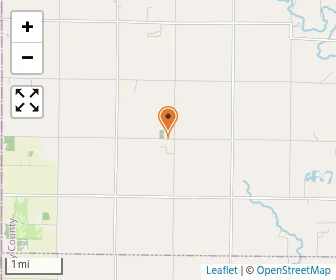
Distance: 2.9 mi
Gr: K-8 | 92 students
Lutheran Church Missouri Synod
1557 W Seidlers Rd
Auburn, MI 48611
(989) 662-4264
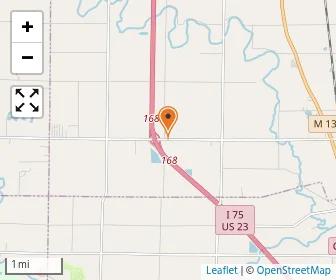
Distance: 4.3 mi
Gr: PK-8 | 72 students
Avg. class size: 10 students
Sports: 4
Wisconsin Evangelical Lutheran Synod
1033 E. Beaver Rd.
Kawkawlin, MI 48631
(989) 684-6751
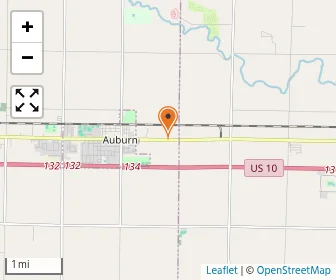
Distance: 7.5 mi
Gr: PK-5 | 120 students
Catholic
114 W Midland Rd
Auburn, MI 48611
(989) 662-6431
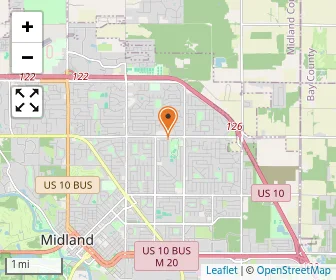
Distance: 8.7 mi
Gr: K-8 | 39 students
Wisconsin Evangelical Lutheran Synod
907 Mattes Dr
Midland, MI 48642
(989) 835-4181
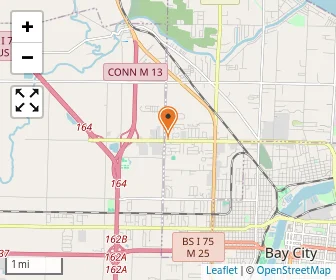
Distance: 9.1 mi
Gr: PK-8 | 232 students
Sports: 4
Lutheran Church Missouri Synod
3033 Wilder Road
Bay City, MI 48706
(989) 684-3448
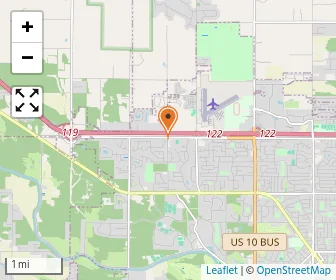
Distance: 11.1 mi
Gr: PK-12 | 724 students
Avg. class size: 25 students
Sports: 5 | Extracurriculars: 6
Baptist
6100 Perrine Road
Midland, MI 48640
(989) 832-3341
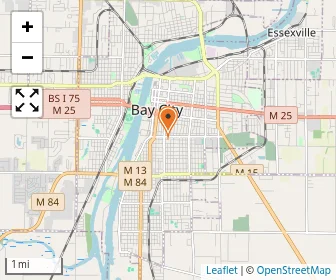
Distance: 12.5 mi
Gr: 6-12 | 105 students
Avg. class size: 15 students
Sports: 9 | Extracurriculars: 4
Catholic
217 S Monroe St
Bay City, MI 48708
(989) 892-2533
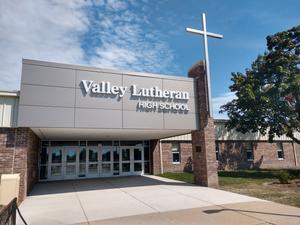
Distance: 17.5 mi
Gr: 9-12 | 305 students
Avg. class size: 22 students
Sports: 13 | Extracurriculars: 10
Lutheran Church Missouri Synod
3560 McCarty Road
Saginaw, MI 48603
(989) 790-1676
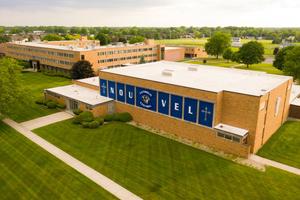
Distance: 18.5 mi
Gr: 9-12 | 208 students
Avg. class size: 13 students
Sports: 13 | Extracurriculars: 10
Catholic
2555 Wieneke Rd
Saginaw, MI 48603
(989) 399-2221

Distance: 19.7 mi
Gr: 3-12 | 30 students
Extracurriculars: 8
Christian
3427 Adams Avenue
Saginaw, MI 48602
(989) 484-7363
Distance: 2.9 mi
Gr: K-8 | 92 students
Lutheran Church Missouri Synod
1557 W Seidlers Rd
Auburn, MI 48611
(989) 662-4264
Distance: 4.3 mi
Gr: PK-8 | 72 students
Avg. class size: 10 students
Sports: 4
Wisconsin Evangelical Lutheran Synod
1033 E. Beaver Rd.
Kawkawlin, MI 48631
(989) 684-6751
Distance: 7.5 mi
Gr: PK-5 | 120 students
Catholic
114 W Midland Rd
Auburn, MI 48611
(989) 662-6431
Distance: 8.7 mi
Gr: K-8 | 39 students
Wisconsin Evangelical Lutheran Synod
907 Mattes Dr
Midland, MI 48642
(989) 835-4181
Distance: 9.1 mi
Gr: PK-8 | 232 students
Sports: 4
Lutheran Church Missouri Synod
3033 Wilder Road
Bay City, MI 48706
(989) 684-3448
Distance: 4.3 mi
Gr: PK-8 | 72 students
Avg. class size: 10 students
Sports: 4
Wisconsin Evangelical Lutheran Synod
1033 E. Beaver Rd.
Kawkawlin, MI 48631
(989) 684-6751
Distance: 7.5 mi
Gr: PK-5 | 120 students
Catholic
114 W Midland Rd
Auburn, MI 48611
(989) 662-6431
Distance: 9.1 mi
Gr: PK-8 | 232 students
Sports: 4
Lutheran Church Missouri Synod
3033 Wilder Road
Bay City, MI 48706
(989) 684-3448
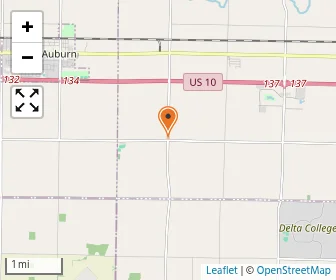
Distance: 9.1 mi
Gr: PK-8 | 160 students
Sports: 6
Lutheran Church Missouri Synod
20 E Salzburg Road
Bay City, MI 48706
(989) 662-4891
Distance: 9.9 mi
Gr: NS | 80 students
Avg. class size: 15 students
Montessori School
5709 Eastman Avenue
Midland, MI 48640
(989) 839-8432
School
(Math and Reading Proficiency)
(Math and Reading Proficiency)
Location
Miles
Quick Facts
Linwood Elementary School
(Math: 35-39% | Reading: 25-29%)
Rank:
Rank:
4/
Bottom 50%10
517 W Center St
Linwood, MI 48634
(989) 697-5711
Linwood, MI 48634
(989) 697-5711
5.4 miles
Gr: PK-6 | 122 students Student-Teacher Ratio: 15:1 Minority enrollment: 10%
Bay City Western High School
(Math: 28% | Reading: 62%)
Rank:
Rank:
7/
Top 50%10
500 W Midland Rd
Auburn, MI 48611
(989) 662-4481
Auburn, MI 48611
(989) 662-4481
7.4 miles
Gr: 9-12 | 1,009 students Student-Teacher Ratio: 23:1 Minority enrollment: 11%
Western Middle School
(Math: 30% | Reading: 50%)
Rank:
Rank:
6/
Top 50%10
500 W Midland Rd
Auburn, MI 48611
(989) 662-4489
Auburn, MI 48611
(989) 662-4489
7.4 miles
Gr: 6-8 | 681 students Student-Teacher Ratio: 17:1 Minority enrollment: 13%
Auburn Elementary School
(Math: 52% | Reading: 45%)
Rank:
Rank:
7/
Top 50%10
301 E Midland Rd
Auburn, MI 48611
(989) 662-4921
Auburn, MI 48611
(989) 662-4921
7.5 miles
Gr: K-5 | 474 students Student-Teacher Ratio: 19:1 Minority enrollment: 11%
Juvenile Justice Center
Special Education School
(Math: <50% | Reading: <50% )
Rank:
Rank:
8/
Top 30%10
3712 E Ashman St
Midland, MI 48642
(989) 837-6098
Midland, MI 48642
(989) 837-6098
8.2 miles
Gr: 4-12 | 11 students Student-Teacher Ratio: 4:1 Minority enrollment: 18%
Recent Articles

Should Your Child Stay at the Same Private School K–12?
Explore whether your child should attend the same private school from kindergarten through graduation, weighing academic continuity, friendships, changing needs, tuition costs, and opportunities at different educational stages.

When Your Child's Closest Friends Leave Private School
Learn how to support your child when close friends leave private school, manage loneliness, maintain friendships, encourage new connections, recognize emotional challenges, and decide when additional school support is needed.

When Your Child Doesn't Connect With Their Teacher
Discover when parents should intervene if their child struggles to connect with a private school teacher, including warning signs, communication strategies, classroom concerns, and practical steps toward improving relationships.