
Pathways to Elite Colleges

Navigate the journey to higher education with expert guidance. From academic preparation and testing to applications and financial planning, explore tailored insights to ensure a seamless transition from private school to elite institutions.

View the most popular articles in Pathways to Elite Colleges:

Student Success Predictors in Private K–12 Schools: A Guide for Families and Advisors

Updated
|
Student Success Predictors in Private K–12 Schools: A Guide for Families and Advisors
A practical guide to student success predictors at community colleges for private school advisors helping graduates navigate two-year pathways.

Student Success Predictors in Private K–12 Schools: A Guide for Families and Advisors

Families evaluating private K–12 schools often look for reliable indicators of student success. While each independent school offers a distinct mission, culture, and instructional model, certain predictors consistently correlate with strong academic growth, social development, and long-term readiness for higher education.

This guide synthesizes current practices within private elementary, middle, and high schools. It highlights the student success predictors that most strongly influence academic progress, engagement, and overall well-being. It also offers guidance for advisors and families who want to assess how well a school supports students at each developmental stage.

Private School Review’s mission is to offer clear, impartial information to families without ranking schools. In this spirit, the following framework is designed to help families understand what to look for as they compare options, visit campuses, and interpret school profiles.

Why Student Success Predictors Matter for Families Choosing a Private School

Private schools vary widely in size, philosophy, curriculum design, and support systems. When families understand key predictors of student success, they can:

• Identify schools with strong academic foundations and supportive learning environments
• Evaluate whether a school’s structure aligns with a student’s learning style, interests, and needs
• Understand how well a school prepares students for the next level, whether that is kindergarten, middle school, high school, or college
• Make informed decisions using neutral, research-informed criteria rather than marketing language alone

Families can review detailed

. . .read more

Supporting First-Generation Students in Private K–12 Schools

Updated
|
Supporting First-Generation Students in Private K–12 Schools
A detailed look at how first-generation students from private schools navigate community colleges, the challenges they face, and the supports that help them succeed.

Supporting First-Generation Students in Private K–12 Schools

First-generation students, defined as learners whose parents did not complete a college degree, represent a growing segment of private K–12 school populations. These students bring strong motivation and resilience but often face gaps in college knowledge, family familiarity with independent schooling, and access to long-term planning resources. Private schools have an opportunity to create environments that help first-generation students thrive academically, socially, and emotionally while preparing them for postsecondary pathways.

This revised article aligns with the mission of PrivateSchoolReview.com by focusing exclusively on private elementary, middle, and high schools and by providing impartial, practical information for families evaluating private school options.

The Evolving Landscape for First-Generation Students in Private Schools

Private schools traditionally emphasize individual attention, structured academic programming, and strong college counseling. As more first-generation families consider these schools for academic rigor and personalized learning, administrators and counselors are working to understand the unique strengths and needs these students bring to campus.

Many first-generation families enroll in private schools seeking smaller classes, secure learning environments, or specialized programs. However, because parents may not have attended college or independent schools themselves, they often have limited experience with selective admissions, financial aid processes, and long-term academic planning. These differences can influence how students navigate the private school environment.

Families beginning to explore school options may benefit from broader guidance in articles such as Understanding Private School Tuition and Why Private School on PrivateSchoolReview.com.

Why

. . .read more

Adult Learner Success and the Long-Term Impact of Private School Education

Updated
|
Adult Learner Success and the Long-Term Impact of Private School Education
How private school experiences shape adult learner success, long-term skills, and lifelong learning pathways in 2025.

Adult Learner Success: How Private School Foundations Shape Lifelong Learning

Private school graduates often rediscover the value of their early education long after they leave the classroom. Many return to structured learning later in life to advance in their careers, acquire new skills, or pursue personal interests. While adult learners eventually enter a range of educational and professional environments, their K–12 foundations often determine how confidently they navigate this return.

This updated guide examines how independent school experiences contribute to adult learner success, the habits and competencies developed in private school that carry into adulthood, and how families and educators can support students in building the durable skills they will rely on years later. It also integrates 2025 trends that influence retraining, skill-building, and continuing education for adults.

The goal is not to evaluate or rank schooling options but to help families understand how a private school education can contribute to lifelong learning readiness.

Why Adult Learner Success Begins in Private School

Independent elementary, middle, and high schools are known for nurturing academic engagement, curiosity, and self-direction. These traits often reemerge as students become adults and reenter structured learning environments.

Adults return to education for diverse reasons, including career transitions, evolving workforce demands, or a desire to expand personal interests. Although the specific institution they choose later may vary, the habits they bring originate from earlier academic environments. Private schools, with their emphasis on small classes, close teacher relationships,

. . .read more

Equity and Access in Private Schools: 2025 Guide for Families

Updated
|
Equity and Access in Private Schools: 2025 Guide for Families
A 2025 overview of how private schools support equity and access for underserved students, with insights for families evaluating school options.

Equity and Access in Private Schools: What Families Should Know in 2025

Equity and access remain defining issues in education. As private schools continue to evolve in mission, demographics, and program design, families increasingly want to understand how these schools support students from underserved backgrounds. While many private schools have historically served more affluent populations, the landscape in 2025 is far more complex. Schools across the country are expanding financial aid, enhancing student-support structures, and reexamining admissions practices to ensure that students from low-income, first-generation, or historically excluded racial and ethnic groups have fair opportunities to enroll and thrive.

This article examines how equity and access currently function within private elementary, middle, and high schools. It highlights where progress is being made, where gaps persist, and what parents, students, and educators should consider when evaluating school options.

Defining Equity, Access, and Underserved Backgrounds

Equity and access refer to more than admission alone. Access ensures that students can enroll. Equity ensures that they can succeed once enrolled. Families today are asking not only whether a school will open its doors to a student, but whether the school has the structures and resources required to support that student’s academic and personal growth.

Students from underserved backgrounds often include those who are low-income, first-generation college-bound, Black or Hispanic, from rural communities, or recent immigrants. These students may experience barriers such as limited exposure to advanced coursework, reduced access to enrichment programs, or a

. . .read more

Stackable Credentials and Post-Secondary Pathways for Private School Graduates

Updated
|
Stackable Credentials and Post-Secondary Pathways for Private School Graduates
How private school graduates can use stackable credentials and transfer pathways to build flexible, affordable routes to careers and bachelor’s degrees.

Stackable Credentials: A Flexible Post-Secondary Pathway for Private School Graduates

Families choosing private elementary, middle, and high schools often focus on academic rigor, small classes, and strong preparation for college. As graduates consider their next steps, many continue directly into four-year colleges. Yet in 2025, the landscape of post-secondary education is broader and more flexible than it was even a decade ago. Increasingly, students are combining short-term industry credentials, technical certificates, and transfer pathways to build customized routes toward bachelor’s degrees and early career experience.

This updated guide explains how private school alumni can use stackable credentials and related transfer options to pursue efficient, affordable, and strategically sequenced post-secondary experiences. It stays squarely within the K–12 context by helping families understand how high school preparation influences these pathways and what students should consider before graduation. For additional context on evaluating secondary options, families may also find Private School Review resources such as https://www.privateschoolreview.com/blog/how-to-evaluate-private-schools helpful.

What Are Stackable Credentials?

Stackable credentials refer to a sequence of short, industry-recognized credentials that build toward higher qualifications. Each milestone may consist of a certificate, micro-credential, or technical award. Taken together, they can allow a student to secure early work opportunities, develop new skills, and eventually progress into an associate or bachelor’s program through structured transfer agreements.

These credentials:

  • Are designed to have standalone value in the labor market

  • Can accumulate toward more advanced

. . .read more

Recent Articles

How to Start a Private School in 2025: Complete K–12 Guide
A practical, updated guide to starting a private K–12 school in 2025, covering legal steps, planning, finance, and enrollment strategy.
Why Private School? Key Considerations for Families in 2025
Learn why families choose private school in 2025, including academics, class size, safety, tuition trends, and admissions guidance.
Scholarships & Financial Aid for 2026 Entry
A comprehensive guide to scholarships, bursaries, and financial aid options for 2026 entry at U.S. private schools.

Pathways to Elite Colleges

ACADEMIC READINESS
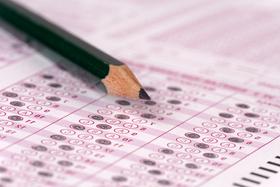
This section covers various standardized tests required for college admissions, offering insights into preparation strategies and the role these tests play in the application process.
COLLEGE PLANNING AND DECISION MAKING
This section offers advice on choosing the right college, financial planning for higher education, and making informed decisions about the college experience.
STANDARDIZED TESTING AND ADMISSIONS EXAMS
This section covers various standardized tests required for college admissions, offering insights into preparation strategies and the role these tests play in the application process.