Kinds of Schools

Private schools are just as varied as public schools. From Catholic to progressive, military to special needs, private schools offer a lot of options. Take a comprehensive look into the many types of private schools, weigh the pros and cons of each, and get helpful tips on choosing one that works best for your child.

View the most popular articles in Kinds of Schools:

Should You Switch From Private School to Homeschool?

Updated
|
Should You Switch From Private School to Homeschool?
Learn the key signs that it may be time to switch from private school to homeschool, plus practical questions for families to consider in 2026.

For many families, private school offers smaller class sizes, strong academics, structured environments, and specialized opportunities. But even in excellent schools, some students eventually reach a point where the traditional private school model no longer feels like the best fit.

In recent years, homeschooling has become a more mainstream educational option. According to the National Center for Education Statistics, homeschooling enrollment remains significantly higher than pre-2020 levels, and many families are now combining homeschooling with online courses, learning pods, tutors, microschools, and dual-enrollment programs.

As parents evaluate educational choices in 2026, one question continues to surface: Should you switch from private school to homeschool?

The answer depends on your child’s academic, emotional, social, and family needs. While homeschooling can offer flexibility and personalization, it also requires substantial commitment and planning.

Signs to Watch Before Making the Transition

When Private School May No Longer Be the Right Fit

Every student experiences occasional academic stress or social frustration. However, repeated patterns may indicate that a different learning environment is needed.

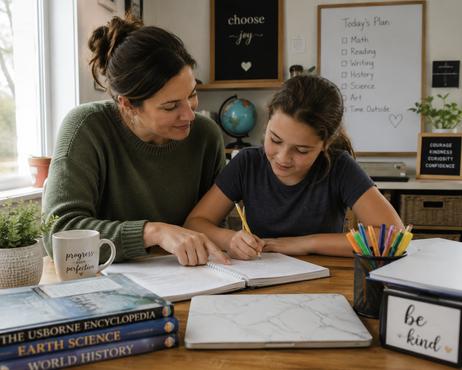
  1. Your Child Is Constantly Overwhelmed or Anxious

    A demanding academic environment can motivate some students, but for others, it creates chronic stress.

    Signs may include:

    • Frequent headaches or stomachaches before school
    • Trouble sleeping
    • Emotional exhaustion after classes
    • Increased anxiety around testing or homework
    • Loss of confidence or motivation

    In highly competitive private schools, students sometimes feel pressure to maintain perfect grades, advanced schedules, and extensive extracurricular commitments. If stress consistently outweighs growth, homeschooling may provide a healthier pace.

    Homeschooling allows families to:

    • Customize workload and scheduling
    • Build more breaks into the
. . .read more

Micro-Schools in Private School Networks

Updated
|
Micro-Schools in Private School Networks
How micro-schools within private school networks are reshaping personalized learning, flexibility and enrollment models in 2026.

The rise of micro-schools within private school networks is one of the most notable structural shifts in K-12 education in 2026. Once considered a niche alternative, micro-schools are now being adopted by established private school systems as a way to offer more personalized, flexible, and scalable learning environments.

For families exploring private education, this trend signals a broader rethinking of how schools deliver instruction. Rather than relying solely on traditional campus models, some private school networks are launching smaller, satellite-style programs designed to meet changing student needs. Parents researching how to choose a private school may increasingly encounter micro-school options alongside conventional campuses.

What Is a Micro-School?

A micro-school is typically a small learning environment, often serving between 10 and 150 students, with an emphasis on personalized instruction, flexible scheduling and multi-age groupings. While early micro-schools often operated independently, a growing number now function within larger private school networks.

These network-affiliated micro-schools benefit from shared resources such as curriculum, teacher training, administrative support and college counseling, while maintaining a smaller, more agile classroom environment.

Organizations like National Microschooling Center have helped define and expand the model, offering research, training and advocacy for micro-school development. Similarly, innovative networks such as Acton Academy have demonstrated how decentralized learning communities can operate under a shared philosophy while maintaining local autonomy.

Why Private School Networks Are Embracing Micro-Schools

Private school leaders are responding to several converging trends:

  • Demand for personalization
  • Concerns about student well-being
  • Shifting family expectations
  • Increased competition
. . .read more

Combine Homeschooling with Private School Programs

Updated
|
Combine Homeschooling with Private School Programs
Learn how to combine homeschooling with private school programs, including hybrid models, benefits, legal tips, and practical strategies.

As education becomes more flexible in 2026, many families are exploring how to combine homeschooling with private school programs. This hybrid approach allows students to benefit from personalized, at-home instruction while accessing structured academics, extracurriculars, and resources offered by private institutions.

For parents seeking both flexibility and academic rigor, this blended model can offer the best of both worlds. However, successfully navigating it requires a clear understanding of program types, legal considerations, and practical logistics.

This guide explains how to combine homeschooling with private school programs, including current models, benefits, challenges, and actionable strategies for families.

Why Families Are Combining Homeschooling with Private School Programs

The traditional divide between homeschooling and private schooling is narrowing. Several trends are driving this shift:

  • Increased demand for personalized education
  • Growth of hybrid and microschool models
  • Expanded online and part-time enrollment options
  • Greater acceptance of flexible learning pathways by colleges

According to the National Center for Education Statistics, homeschooling participation has remained significantly higher post-pandemic, while private schools have simultaneously expanded flexible enrollment offerings.

Parents are no longer choosing one path exclusively. Instead, they are designing customized educational experiences tailored to their child’s needs.

Common Models for Combining Homeschooling with Private School Programs

Not all hybrid approaches look the same. Families can choose from several structures depending on their goals and available programs.

  1. Hybrid Private Schools

    Hybrid schools are specifically designed to blend homeschooling with on-campus instruction.

    Typical structure:

    • Students attend private school 2–3 days per week
    • Remaining days are spent learning at home
    • Curriculum is coordinated between
. . .read more

Hybrid Schooling Explained: A Parent’s 2026 Guide

Updated
|
Hybrid Schooling Explained: A Parent’s 2026 Guide
Learn how hybrid schooling works, its benefits, drawbacks, and why more families are choosing this flexible education model in 2026.

Hybrid schooling is no longer an experimental concept. In 2026, it has become one of the fastest-growing education models across private schools, offering families a flexible alternative to traditional, full-time, in-person instruction. As parents seek more personalized, adaptable learning environments, hybrid schooling has emerged as a compelling solution.

This article explains what hybrid schooling is, how it works, and why so many families are embracing it, particularly within the private school landscape.

What Is Hybrid Schooling?

Hybrid schooling blends in-person classroom instruction with structured at-home or remote learning. Students typically attend a physical campus part of the week, while completing the remainder of their coursework online or through guided independent study.

Unlike emergency remote learning during the pandemic, hybrid schooling is intentionally designed. Schools build curricula specifically for this model, integrating digital tools, teacher support, and parental involvement.

In many private schools, hybrid schedules follow patterns such as:

  • Two to three days on campus, two to three days at home
  • Alternating weeks of in-person and remote learning
  • Daily split schedules combining classroom and virtual instruction

The key distinction is intentional design. Hybrid schooling is not a compromise; it is a structured model aimed at improving flexibility and personalization.

Why Hybrid Schooling Is Growing in 2026

Several factors are driving the popularity of hybrid schooling among private school families.

  1. Demand for Flexibility

    Modern families increasingly seek schedules that accommodate extracurricular activities, travel, or unique learning needs. Hybrid schooling allows students to:

    • Pursue athletics or arts more intensively
    • Travel without fully interrupting their education
    • Learn at
. . .read more

Best Private School Programs for Globally Mobile Families

Updated
|
Best Private School Programs for Globally Mobile Families
Explore the best private school programs for globally mobile families, including IB, bilingual, and flexible academic pathways.

For families who relocate frequently due to diplomatic, military, or corporate assignments, choosing the right school is one of the most consequential decisions. The best private school programs for globally mobile families must offer continuity, academic rigor, and cultural adaptability, all while supporting students through transitions that can occur every few years.

In 2026, private schools have expanded their offerings to better meet the needs of internationally mobile students. From globally recognized curricula to hybrid learning options, families now have more flexibility than ever before. This guide explores the most effective programs, what to look for, and how to ensure a smooth educational journey across borders.

Why Program Choice Matters for Mobile Families

Frequent relocation can disrupt academic progress, social development, and college planning. A well-aligned private school program minimizes these disruptions by offering:

  • Transferable credits and standardized curricula
  • Consistent academic expectations across countries
  • Support systems for transitions and integration
  • Globally recognized credentials for university admissions

The goal is not just continuity, but also enrichment. Many of the best private school programs for globally mobile families leverage international diversity as a strength, preparing students for higher education and careers in a globalized world.

Top Private School Programs for Globally Mobile Families

1. International Baccalaureate (IB)

The International Baccalaureate remains the gold standard for globally mobile students. Offered in more than 150 countries, the IB provides a consistent academic framework from primary through high school.

Key features include:

  • Inquiry-based learning and critical thinking
  • Globally standardized curriculum
  • Strong university recognition worldwide

Parents can explore the

. . .read more

Recent Articles

Should Your Child Stay at the Same Private School K–12?
Explore whether your child should attend the same private school from kindergarten through graduation, weighing academic continuity, friendships, changing needs, tuition costs, and opportunities at different educational stages.
When Your Child's Closest Friends Leave Private School
Learn how to support your child when close friends leave private school, manage loneliness, maintain friendships, encourage new connections, recognize emotional challenges, and decide when additional school support is needed.
When Your Child Doesn't Connect With Their Teacher
Discover when parents should intervene if their child struggles to connect with a private school teacher, including warning signs, communication strategies, classroom concerns, and practical steps toward improving relationships.

Why Private School