Kinds of Schools

Private schools are just as varied as public schools. From Catholic to progressive, military to special needs, private schools offer a lot of options. Take a comprehensive look into the many types of private schools, weigh the pros and cons of each, and get helpful tips on choosing one that works best for your child.

View the most popular articles in Kinds of Schools:

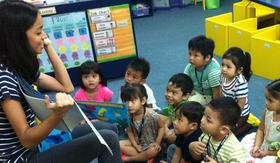
Benefits of Montessori Private Schools in 2026

Updated
|
Benefits of Montessori Private Schools in 2026
Explore the benefits of Montessori private schools, including independence, personalized learning, and long-term academic growth.

Montessori education has remained one of the most respected and enduring approaches to private education for more than a century. In 2026, Montessori private schools continue to attract families seeking a student-centered environment that prioritizes independence, curiosity, and hands-on learning.

Originally developed by Italian physician and educator Maria Montessori, the Montessori method emphasizes self-directed exploration, mixed-age classrooms, and carefully prepared learning environments. Today, Montessori private schools range from early childhood programs to full K-12 campuses, with many integrating modern technology and project-based learning while maintaining core Montessori principles.

For families exploring alternatives to traditional classrooms, understanding the benefits of Montessori private schools can help clarify whether this educational model aligns with a child’s learning style and long-term goals.

Parents who are beginning the broader private school search may also find it helpful to read How to Choose a Private School: 2026 Parent Guide and Private School vs Public School: Key Differences (2026 Guide).

What Makes Montessori Private Schools Different?

Montessori schools differ from many traditional classrooms in both structure and philosophy. Instead of teacher-led instruction dominating the school day, students typically move through guided activities at their own pace.

Core Montessori characteristics include:

  • Multi-age classrooms
  • Hands-on learning materials
  • Student choice within structured limits
  • Long, uninterrupted work periods
  • Emphasis on independence and responsibility
  • Teachers acting as guides rather than lecturers

According to the American Montessori Society, authentic Montessori programs are designed to support the developmental needs of the whole child, including academic, social, emotional, and practical growth.

Many Montessori private
. . .read more

Private Schools Offering Hybrid Learning Models

Updated
|
Private Schools Offering Hybrid Learning Models
Learn how private schools are adopting hybrid learning models, what families should evaluate, and how flexible education is evolving in 2026.

Hybrid learning models have become a lasting part of the educational landscape, particularly in private schools that value flexibility and innovation. While many schools initially adopted remote learning during the pandemic years, some elite and independent institutions have continued refining hybrid education into a permanent offering.

In 2026, hybrid learning in private schools is no longer viewed simply as emergency instruction. Instead, it has evolved into a strategic educational model that combines in-person teaching with online coursework, flexible scheduling, and digital collaboration.

For many families, hybrid education offers appealing benefits, including personalized learning, scheduling flexibility, expanded course access, and improved work-life balance. However, these programs also require careful evaluation to ensure students receive the academic structure, social interaction, and support they need.

As explored in Technology in Private School Classrooms (2026 Guide), many independent schools are continuing to invest heavily in digital infrastructure and blended learning systems to support evolving educational models.

Why Hybrid Learning Is Expanding in Private Schools

Private schools are uniquely positioned to experiment with hybrid education because they often have greater curricular flexibility and faster decision-making structures than many public school systems.

Several factors are driving the growth of hybrid learning models:

  • Increased demand for flexible education
  • Growth in online learning technology
  • Rising interest in personalized instruction
  • Expanded dual-enrollment and specialty course access
  • Student mental health and scheduling considerations
  • Geographic flexibility for traveling families

Many schools now view hybrid learning as an opportunity to expand enrollment beyond their immediate local area while also accommodating students with diverse academic

. . .read more

Socialization Myths About Homeschooled Students

Updated
|
Socialization Myths About Homeschooled Students
What research says about socialization myths surrounding homeschooled students, including peer interaction, college readiness, and social skills.

For decades, one of the most persistent criticisms of homeschooling has centered on socialization. Critics often assume that homeschooled students spend most of their time isolated from peers, missing opportunities to develop communication skills, teamwork, and emotional maturity.

Yet the modern homeschooling landscape looks very different from the stereotypes many parents still hear. In 2026, homeschooling is no longer a fringe educational choice. According to data from the National Center for Education Statistics, millions of American students now participate in some form of home-based education, including hybrid models, microschools, online academies, and co-op learning communities.

As homeschooling has evolved, so has the research surrounding social development. Studies increasingly show that socialization outcomes depend less on where students learn and more on the quality and diversity of their interactions.

This article examines the most common socialization myths about homeschooled students and what current research actually reveals.

Why the Socialization Question Persists

The socialization debate partly stems from how traditional schools have historically been viewed. Many people equate school attendance with social development because schools naturally provide:

  • Daily peer interaction
  • Group projects and extracurricular activities
  • Exposure to authority figures
  • Opportunities for conflict resolution
  • Structured social environments

When families choose homeschooling, skeptics often wonder whether children will miss these developmental experiences.

However, researchers increasingly note that socialization is not limited to classroom settings. Children develop social skills through family relationships, community involvement, sports, volunteer work, religious organizations, clubs, employment, and informal peer interactions.

The key question is no longer whether homeschooled students socialize, but how

. . .read more

The Rise of Micro-Schools Within Private School Networks

Updated
|
The Rise of Micro-Schools Within Private School Networks
Explore how private school networks are adopting micro-schools to deliver flexible, personalized, and innovation-driven education in 2026.

Micro-schools are rapidly becoming one of the most talked-about developments in private education. Once viewed as niche alternatives to traditional classrooms, micro-schools are now increasingly being adopted by established private school networks seeking to provide more personalized, flexible, and innovation-focused learning environments.

In 2026, many independent schools are experimenting with smaller satellite campuses, hybrid learning hubs, and highly customized instructional models designed to meet changing family expectations. The rise of micro-schools reflects broader shifts in education, including growing demand for individualized instruction, flexible scheduling, and student-centered learning.

For private school networks, micro-schools offer opportunities to expand access, test new educational approaches, and serve families seeking alternatives to conventional large-campus experiences.

What Is a Micro-School?

A micro-school is generally a small learning community that combines elements of traditional schooling, personalized education, and sometimes homeschooling flexibility.

Most micro-schools feature:

  • Small student populations
  • Multi-age classrooms
  • Personalized instruction
  • Project-based learning
  • Flexible scheduling
  • High student-teacher interaction

Unlike traditional private schools that may enroll hundreds or thousands of students, micro-schools often serve anywhere from 10 to 150 students, depending on the model.

Some operate independently, while others are now being launched directly by larger private school organizations.

Why Private School Networks Are Expanding Into Micro-Schools

Several factors are driving private schools to explore micro-school models.

Families Want More Personalized Education

Many parents increasingly seek educational settings where students receive individualized attention and customized academic pathways.

Smaller learning environments may allow schools to:

  • Adapt instruction more quickly
  • Support different learning styles
  • Provide flexible pacing
  • Strengthen student-teacher relationships
  • Reduce classroom distractions

Families interested in personalized

. . .read more

Curriculum Planning Strategies for Home-Educated Students

Updated
|
Curriculum Planning Strategies for Home-Educated Students
Learn effective curriculum planning strategies for home-educated students, including scheduling, assessment, flexibility, and 2026 learning trends.

Homeschooling continues to evolve in 2026 as more families seek flexible, personalized educational pathways for their children. While home education offers significant freedom, successful outcomes often depend on thoughtful curriculum planning. Parents who approach homeschooling with a clear academic structure, realistic goals, and adaptable learning strategies are better positioned to create a consistent and enriching educational experience.

Curriculum planning strategies for home-educated students now extend far beyond selecting textbooks. Modern homeschooling frequently includes online learning platforms, project-based instruction, hybrid learning programs, dual enrollment opportunities, and AI-supported educational tools. Families also increasingly combine homeschooling with private school partnerships, microschools, or umbrella programs that provide accountability and support.

For many parents, the challenge is not whether to homeschool, but how to organize a curriculum that balances academic rigor, flexibility, and long-term goals.

Why Curriculum Planning Matters in Home Education

Unlike traditional schools that follow standardized district pacing guides, homeschooling families must independently determine:

  • Academic priorities
  • Grade-level expectations
  • Daily and yearly schedules
  • Assessment methods
  • Graduation requirements
  • College preparation pathways

Without a plan, homeschooling can become inconsistent or overly reactive. A structured curriculum framework helps students maintain academic progress while still benefiting from homeschooling flexibility.

According to the National Center for Education Statistics, homeschooling participation remains significantly higher than pre-pandemic levels, reflecting sustained parent interest in customized education models.

Well-designed curriculum planning strategies for home-educated students also reduce parental stress by creating predictable routines and measurable goals.

Start With Long-Term Educational Goals

Effective homeschool curriculum planning begins with the end in mind. Parents should first

. . .read more

Recent Articles

Should Your Child Stay at the Same Private School K–12?
Explore whether your child should attend the same private school from kindergarten through graduation, weighing academic continuity, friendships, changing needs, tuition costs, and opportunities at different educational stages.
When Your Child's Closest Friends Leave Private School
Learn how to support your child when close friends leave private school, manage loneliness, maintain friendships, encourage new connections, recognize emotional challenges, and decide when additional school support is needed.
When Your Child Doesn't Connect With Their Teacher
Discover when parents should intervene if their child struggles to connect with a private school teacher, including warning signs, communication strategies, classroom concerns, and practical steps toward improving relationships.

Why Private School