
For many families, finding an affordable private school feels like the perfect solution. Lower tuition can make private education accessible without placing excessive strain on a household budget. In an era of rising educational costs, schools that advertise affordability often attract significant interest from parents seeking smaller classes, specialized instruction, or a values-based education.
However, affordability can sometimes come with tradeoffs. While many lower-cost private schools provide excellent educational experiences, others may operate with fewer resources, reduced support services, or more limited academic offerings. Understanding what is included in a school's tuition, and what may be missing, can help families make more informed decisions.
The goal is not to determine whether an affordable private school is good or bad. Rather, it is about understanding how lower tuition can affect the overall educational experience and whether those trade-offs align with a child's needs.
Why Private School Tuition Varies So Widely
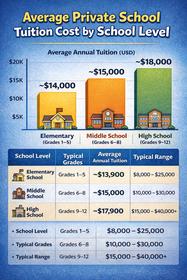
Private school tuition can range from a few thousand dollars per year to more than $50,000 annually. Several factors influence pricing, including:
- Faculty salaries
- Campus facilities
- Student support services
- Technology investments
- Athletic programs
- Arts programs
- Transportation offerings
- Boarding options
As explained in Private School Review's guide to paying for private school, tuition alone does not always reflect the full educational value a school provides.
A lower tuition bill may result from efficient operations, religious sponsorship, strong fundraising, or modest facilities. In other cases, it may indicate that certain services simply are not offered.
Student Support Services Are Often the First Difference
One of the most