School Life

Get a glimpse of private school life. Here you'll find a survival guide for parents, brush up on terms and jargon, and learn why extracurricular activities are so important.

View the most popular articles in School Life:

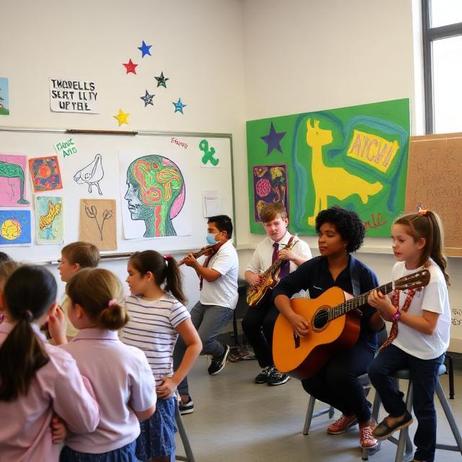
Arts Education in Private Schools: 2026 Guide

Updated
|
Arts Education in Private Schools: 2026 Guide
Explore how arts education in private schools enhances creativity, academics, and college readiness in 2026.

Arts education in private schools continues to evolve as a defining feature of a well-rounded academic experience. In 2026, independent schools are not only preserving traditional disciplines like music, theater, and visual arts, but also expanding into digital media, design thinking, and interdisciplinary creative studies.

For families evaluating private education, arts programs often signal a school’s broader commitment to innovation, student engagement, and whole-child development. This article explores how arts education in private schools is structured today, why it matters, and how it compares to other educational environments.

Why Arts Education Still Matters

Research consistently shows that arts education contributes to both academic and personal development. Students engaged in the arts tend to demonstrate stronger critical thinking skills, improved emotional intelligence, and higher levels of school engagement.

According to the National Endowment for the Arts, students involved in arts programs are more likely to achieve academically and participate in civic life. Similarly, the U.S. Department of Education highlights arts integration as a key factor in fostering creativity and problem-solving skills.

In private schools, these benefits are often amplified by smaller class sizes, specialized faculty, and greater access to resources.

What Sets Arts Education in Private Schools Apart

Private schools typically offer a more robust and flexible approach to arts education than many public counterparts. While offerings vary by institution, several distinguishing features stand out.

1. Dedicated Facilities and Resources

Many private schools invest heavily in arts infrastructure, including:

  • Professional-grade theaters and performance spaces
  • Digital media
. . .read more

STEM Programs in Private Schools: 2026 Guide

Updated
|
STEM Programs in Private Schools: 2026 Guide
Explore STEM programs in private schools, including benefits, curriculum trends, and how to choose the right school in 2026.

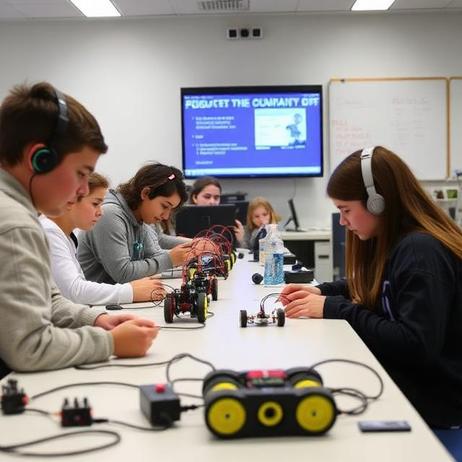
STEM programs in private schools have evolved significantly in recent years, becoming a central pillar of many institutions’ academic offerings. As demand for science, technology, engineering, and mathematics education continues to rise, private schools are uniquely positioned to deliver innovative, flexible, and forward-looking STEM curricula.

For parents evaluating educational options in 2026, understanding how STEM programs in private schools differ from public offerings, and what distinguishes high-quality programs, is essential. This guide explores current trends, program features, and how to choose the right fit for your child.

What Defines STEM Programs in Private Schools?

STEM programs in private schools integrate science, technology, engineering, and mathematics into a cohesive learning model that emphasizes problem-solving, creativity, and real-world application.

Unlike traditional academic structures, these programs often:

  • Combine disciplines through project-based learning
  • Emphasize hands-on experimentation and design
  • Incorporate emerging technologies such as artificial intelligence and robotics
  • Foster collaboration and critical thinking

Private schools often have greater flexibility in curriculum design, allowing them to adopt cutting-edge approaches more quickly than many public systems.

For a broader look at how private institutions structure academic offerings, see The Pros and Cons of Private School.

Key Advantages of STEM Programs in Private Schools

1. Smaller Class Sizes and Personalized Instruction

One of the most significant advantages of STEM programs in private schools is individualized attention. Smaller class sizes allow teachers to tailor instruction, mentor students closely, and support deeper exploration of complex topics.

2. Access to Advanced Facilities

Many private schools invest heavily in:

  • Robotics labs
  • Makerspaces
  • 3D printing technology
  • Advanced
. . .read more

Private School Dress Codes: 2026 Guide for Families

Updated
|
Private School Dress Codes: 2026 Guide for Families
Learn how private school dress codes work in 2026, including benefits, costs, flexibility, and what parents should expect.

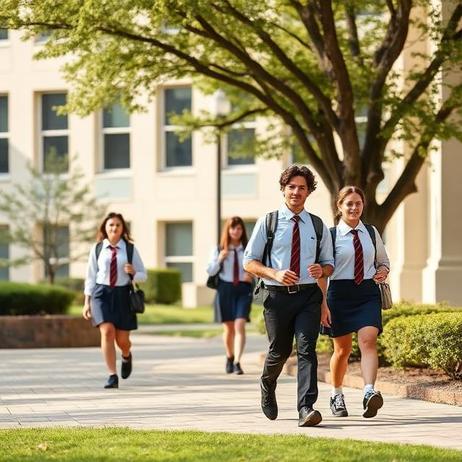
Private school dress codes remain one of the most recognizable features of independent education. For many families, the idea of uniforms or strict attire policies is both appealing and, at times, uncertain. In 2026, private school dress codes continue to evolve, balancing tradition with modern expectations around comfort, inclusivity, and student expression.

This guide offers a comprehensive look at private school dress codes, including why they exist, how they differ, what they cost, and how they are changing today.

What Are Private School Dress Codes?

Private school dress codes define what students are expected to wear during the school day. These policies range from formal uniforms to more relaxed guidelines known as “dress standards.”

The three most common models include:

  • Traditional uniforms: Blazers, ties, skirts, and slacks in school colors
  • Standardized dress codes: Polo shirts, khakis, and approved footwear
  • Flexible dress guidelines: Clear rules without requiring specific branded clothing

While policies vary widely, most private schools aim to create a consistent and distraction-free learning environment.

For a broader overview of private education environments, see The Pros and Cons of Private Schools.

Why Do Private Schools Require Dress Codes?

Private school dress codes are rooted in both philosophy and practicality. Schools often cite several key reasons for implementing them.

1. Promoting Academic Focus

Uniforms reduce distractions related to fashion trends, allowing students to focus more on academics. Research from the National Center for Education Statistics indicates that schools with dress policies often report improved classroom behavior and engagement.

2.
. . .read more

Benefits of Smaller Class Sizes in Private Schools

Updated
|
Benefits of Smaller Class Sizes in Private Schools
Discover the benefits of smaller class sizes, including personalized learning, stronger outcomes, and improved student engagement in 2026.

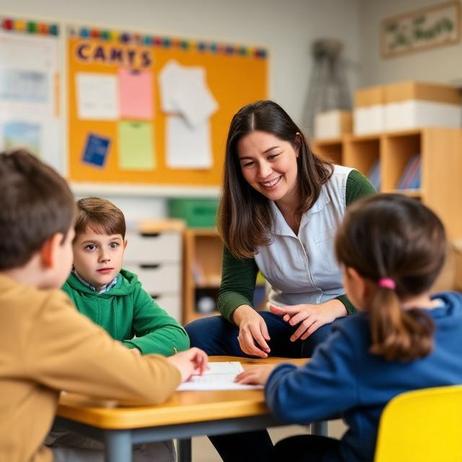
The benefits of smaller class sizes remain one of the most compelling reasons families choose private education. As classrooms across the United States continue to evolve in response to post-pandemic learning gaps, technology integration, and shifting educational priorities, smaller class environments are increasingly recognized as a critical factor in student success.

In private schools, where class sizes are often intentionally limited, students benefit from a more personalized, engaging, and academically rigorous experience. For parents weighing educational options, understanding how smaller class sizes impact learning outcomes can help guide more informed decisions.

This article explores the key advantages of smaller class sizes, supported by current research and real-world insights from 2026.

What Is Considered a “Small” Class Size?

While definitions vary, most education experts consider a class of 10 to 15 students to be “small,” particularly when compared to public school averages that can exceed 25 students per classroom.

Private schools often maintain lower student-to-teacher ratios as part of their educational philosophy. According to the National Center for Education Statistics, private schools consistently report smaller average class sizes than their public counterparts.

For more context on how private schools differ structurally, see this overview of private school advantages.

1. Personalized Attention Drives Academic Growth

One of the most widely recognized benefits of smaller class sizes is the ability for teachers to provide individualized attention.

In smaller classrooms, educators can:

  • Tailor instruction to different learning styles
  • Identify and address learning gaps quickly
  • Offer immediate feedback on assignments
  • Adjust pacing based on
. . .read more

Private School Extra-Curriculars in 2026

Updated
|
Private School Extra-Curriculars in 2026
Explore how private school extra-curriculars in 2026, including clubs, sports, and arts, add real academic and college value.

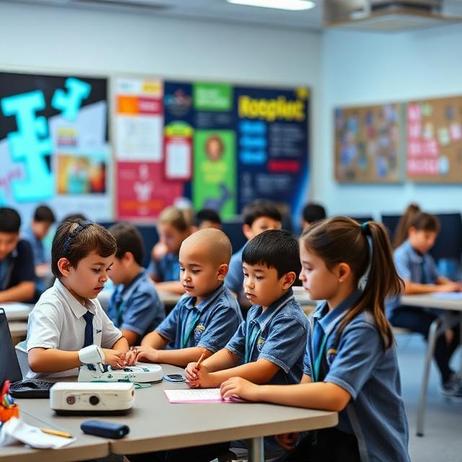
Private school extra-curriculars in 2026 are more expansive, strategic, and integrated into student life than ever before. Far from being optional add-ons, clubs, athletics, and arts programs now function as core pillars of private school education. They support college readiness, leadership development, and social-emotional growth in ways that classrooms alone cannot.

For families evaluating private education, understanding how extra-curricular programming differs from public options is essential. In 2026, many private schools are leveraging smaller student populations, flexible scheduling, and mission-driven programming to deliver deeper, more personalized enrichment opportunities.

This article examines how private school extra-curriculars in 2026, including clubs, sports, and arts, create measurable academic and developmental value.

The 2026 Landscape: What’s Changed?

Several trends define private school extra-curriculars in 2026:

  • Increased focus on leadership and entrepreneurship
  • Expansion of STEM and AI-related clubs
  • Growth in wellness-based athletics and mental health programming
  • Greater emphasis on community engagement and service learning
  • More intentional alignment with college admissions goals

According to the National Center for Education Statistics, private schools continue to maintain smaller average enrollments than public schools, which allows for broader participation rates across activities rather than intense competition for limited spots (NCES Private School Data).

In practical terms, that means students are more likely to lead a club, start a new initiative, or play multiple sports.

Academic and STEM Clubs: Beyond the Basics

Academic clubs have evolved significantly. While debate teams and Model UN remain staples, 2026 programming reflects rapid technological change.

Common offerings now include:

  • Robotics and AI engineering teams
  • Entrepreneurship
. . .read more

Recent Articles

Should Your Child Stay at the Same Private School K–12?
Explore whether your child should attend the same private school from kindergarten through graduation, weighing academic continuity, friendships, changing needs, tuition costs, and opportunities at different educational stages.
When Your Child's Closest Friends Leave Private School
Learn how to support your child when close friends leave private school, manage loneliness, maintain friendships, encourage new connections, recognize emotional challenges, and decide when additional school support is needed.
When Your Child Doesn't Connect With Their Teacher
Discover when parents should intervene if their child struggles to connect with a private school teacher, including warning signs, communication strategies, classroom concerns, and practical steps toward improving relationships.

Why Private School