School Life

Get a glimpse of private school life. Here you'll find a survival guide for parents, brush up on terms and jargon, and learn why extracurricular activities are so important.

View the most popular articles in School Life:

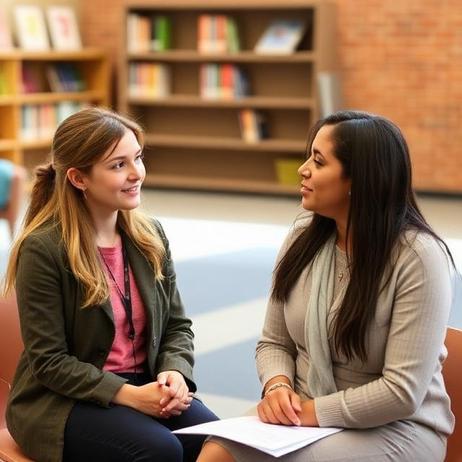
Mental Health & Wellness Support in Private Schools: Key Questions for Parents

Updated
|
Mental Health & Wellness Support in Private Schools: Key Questions for Parents
Discover essential questions about mental health & wellness support in private schools before enrolling, with 2026 updates for informed decisions.

Mental Health & Wellness Support in Private Schools: What to Ask Before Enrolling

Choosing the right private school for your child involves more than academics, athletics, and arts. Today, parents and guardians increasingly prioritize mental health & wellness support in private schools as a core criterion in the enrollment decision. The 2026 landscape of student wellness emphasizes comprehensive, proactive, and culturally responsive support systems. In this article, we explore what mental health & wellness support in private schools should look like, why it matters, and the most important questions to ask before enrolling your child.

Why Mental Health & Wellness Support in Private Schools Matters

Mental health and wellness are foundational to a student’s academic success, social development, and long-term well-being. National data shows that rates of anxiety, depression, and stress-related conditions among school-aged children have risen in recent years. Private schools, with typically smaller class sizes and greater resources, have both the opportunity and responsibility to provide robust mental health & wellness support in private schools.

Research published by the Centers for Disease Control and Prevention highlights the link between supportive school environments and reduced risk of mental health challenges. Creating a culture of care not only helps students who are struggling but fosters resilience in all learners.

Core Components of Mental Health & Wellness Support in Private Schools

Before enrolling, it’s important to understand what effective mental health & wellness support in private schools entails. Look for programs and services that address the following components:
. . .read more

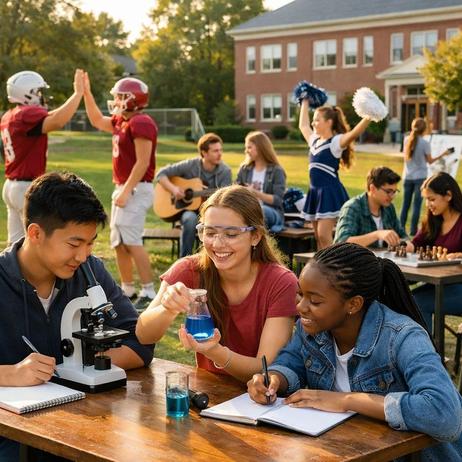
Why Extracurricular Activities Matter in 2026

Updated
|
Why Extracurricular Activities Matter in 2026
Discover why extracurricular activities remain essential in 2026, with updated research, costs, and admissions insights for parents and students.

Introduction

As schools and families plan for the 2025−26 academic year, extracurricular activities remain a central part of a well-rounded education. Their importance echoes beyond the classroom, shaping students’ academic success, personal development, and future opportunities. In 2026, parents and educators face new challenges related to rising costs, access barriers, and strategic planning for college admissions. This updated review explores why extracurricular activities matter now, offering fresh insights, current data, and practical advice for families navigating the landscape today.

Why Extracurricular Activities Still Matter

Extracurricular activities extend learning beyond academic subjects, offering structured opportunities for students to grow skills not always captured in grades. Participation in sports, arts, clubs, performing arts, debate, service learning, and other programs helps students develop life skills that are increasingly valued by colleges and employers.

Academic and Personal Growth

Research consistently shows that students engaged in extracurriculars often outperform their peers academically. Participation is linked with better time management, discipline, teamwork, and resilience, skills that contribute to improved classroom performance. Students involved in these programs tend to have higher GPAs and stronger engagement overall, as measured by increases in attendance and motivation.

Balanced involvement also supports mental and physical health. Programs that promote physical activity reduce stress and build healthy habits, while creative outlets such as music and art foster emotional expression and well-being.

Life Skills and Social Development

Extracurriculars cultivate interpersonal skills that are crucial in adulthood. Team sports build cooperation and communication; student government or clubs allow students to practice leadership

. . .read more

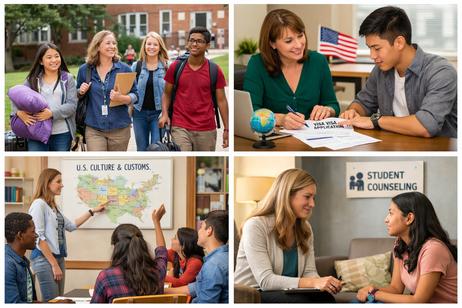
International Student Support Services in Private Schools

Updated
|
International Student Support Services in Private Schools
Explore international student support services in private schools, including housing, visa help, and cultural transition resources for 2026.

International Student Support Services in Private Schools: Housing, Visa Help & Cultural Transition

International student support services in private schools have become a defining feature of the American private education landscape in 2026. As global mobility resumes and diversifies, private schools are enrolling students from dozens of countries and expanding the international student support services in private schools that help families navigate housing, visa compliance, and cultural transition.

For parents and guardians considering a U.S. private school, understanding international student support services in private schools is essential. These services shape student safety, academic success, and emotional well-being from arrival through graduation.

This guide explains how international student support services in private schools work today, how they differ across day and boarding programs, and what families should expect when evaluating schools.

The Growing Role of International Students in Private Education

International student support services in private schools have expanded alongside enrollment trends. According to the Institute of International Education, international students continue to represent a significant and growing segment of U.S. elementary and secondary private schools, particularly in boarding environments that offer structured residential support. Private schools often enroll international students because they can provide comprehensive services not always available in public systems.

Federal oversight also shapes international student support services in private schools. Schools enrolling international students on F-1 visas must be certified by the Student and Exchange Visitor Program, administered by U.S. Immigration and Customs Enforcement. This certification requires schools to demonstrate compliance with housing oversight,

. . .read more

Supporting First-Generation Students in Private K–12 Schools

Updated
|
Supporting First-Generation Students in Private K–12 Schools
A detailed look at how first-generation students from private schools navigate community colleges, the challenges they face, and the supports that help them succeed.

First-generation students, defined as learners whose parents did not complete a college degree, represent a growing segment of private K–12 school populations. These students bring strong motivation and resilience but often face gaps in college knowledge, family familiarity with independent schooling, and access to long-term planning resources. Private schools have an opportunity to create environments that help first-generation students thrive academically, socially, and emotionally while preparing them for postsecondary pathways.

This revised article aligns with the mission of PrivateSchoolReview.com by focusing exclusively on private elementary, middle, and high schools and by providing impartial, practical information for families evaluating private school options.

The Evolving Landscape for First-Generation Students in Private Schools

Private schools traditionally emphasize individual attention, structured academic programming, and strong college counseling. As more first-generation families consider these schools for academic rigor and personalized learning, administrators and counselors are working to understand the unique strengths and needs these students bring to campus.

Many first-generation families enroll in private schools seeking smaller classes, secure learning environments, or specialized programs. However, because parents may not have attended college or independent schools themselves, they often have limited experience with selective admissions, financial aid processes, and long-term academic planning. These differences can influence how students navigate the private school environment.

Families beginning to explore school options may benefit from broader guidance in articles such as Understanding Private School Tuition and Why Private School on PrivateSchoolReview.com.

Why First-Generation Families Choose Private Schools

Several factors contribute to the growing interest in private schools

. . .read more

Understanding Support Services in Private Schools

Updated
|
Understanding Support Services in Private Schools
A 2025 guide to academic, wellness, and college-counseling support services in private schools to help families evaluate school fit.

Support Services in Private Schools: What Counselors Need to Know in 2025

Private schools have long distinguished themselves by offering personalized attention and robust student support. In 2025, these services continue to expand in scope and sophistication, reflecting a deeper understanding of student wellness, learning variability, college planning, and social development. For families evaluating schools, and for counselors working within them, understanding these supports is essential for guiding students toward healthy, successful, and confident pre-college pathways.

This updated guide outlines the major support-service domains available in private elementary, middle, and high schools, what has changed in recent years, and how counselors can help students make the most of these offerings. It aligns with the mission of Private School Review, focusing on school evaluation, student outcomes, and informed decision-making.

Why Student Support Services Matter

Families often choose private schools for small classes, individualized attention, and structured academic environments. Yet the real differentiator increasingly lies in the wrap-around services that support academic, social-emotional, and college-preparatory needs.

Private school students encounter a wide range of challenges. Some require advanced academic opportunities, while others benefit from learning support, wellness resources, or structured guidance in navigating the admissions process to four-year colleges. By understanding how support services function within each school, counselors can provide meaningful direction and help families evaluate the overall fit.

Parents researching schools can benefit from exploring how institutions approach advising, communication, intervention, and long-term planning. Private School Review’s school profiles, for example, offer helpful entry points into understanding

. . .read more

Recent Articles

Should Your Child Stay at the Same Private School K–12?
Explore whether your child should attend the same private school from kindergarten through graduation, weighing academic continuity, friendships, changing needs, tuition costs, and opportunities at different educational stages.
When Your Child's Closest Friends Leave Private School
Learn how to support your child when close friends leave private school, manage loneliness, maintain friendships, encourage new connections, recognize emotional challenges, and decide when additional school support is needed.
When Your Child Doesn't Connect With Their Teacher
Discover when parents should intervene if their child struggles to connect with a private school teacher, including warning signs, communication strategies, classroom concerns, and practical steps toward improving relationships.

Why Private School