School Life

Get a glimpse of private school life. Here you'll find a survival guide for parents, brush up on terms and jargon, and learn why extracurricular activities are so important.

View the most popular articles in School Life:

Why Extracurricular Activities Matter in 2025

Updated
|
Why Extracurricular Activities Matter in 2025
Explore why extracurricular activities remain essential in 2025 — academic gains, social growth, equity, and real-world readiness explained.

Extracurricular Activities: Why They Are So Important (Updated for 2025)

Extracurricular activities—those experiences beyond the standard curriculum—remain indispensable in modern schooling. For parents, educators, and students navigating today’s educational landscape, the question is not whether extracurriculars matter but how best to integrate them. This 2025 update retains the structure of our original piece but reflects the latest data, policy shifts, and research insights.

The Evolving Landscape (2025 Context)

As of 2024–25, approximately 85 percent of U.S. public K–12 schools offer after-school programs, with 60 percent including academically focused components. Yet only an estimated 13 percent of all K–12 students participate in those academically oriented offerings. Meanwhile, 78 percent of public schools provided summer programming in 2023 designed to help students academically, and about 15 percent of all students engaged in those programs.

Beyond the U.S., global and national policies increasingly emphasize holistic education. In many countries, governments now mandate student clubs or “co-curricular activities” as part of formal schooling, aligning with frameworks like the 2030 Sustainable Development Goals and the growing emphasis on "21st-century skills." (For example, some Indian states will require student clubs in all schools by 2025.)

These shifts reflect a growing consensus: in a world of rapid social, technological, and workforce change, schools must do more than deliver core academics. They must cultivate well-rounded citizens, leaders, and innovators.

Why Extracurriculars Still Matter — with New Evidence

  1. Academic and Social Gains

    Decades of research support a positive association between extracurricular participation and student success

. . .read more

Inside the Daily Life of a Private School Student

Updated
|
Inside the Daily Life of a Private School Student
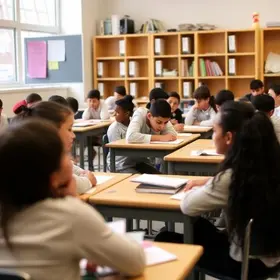
Discover what daily life is like for private school students in 2025, from classes and athletics to dining, dorms, and extracurriculars.

Private schools are often admired for their rigorous academics, strong community values, and well-rounded student experiences. Yet for parents and prospective students, understanding what daily life looks like inside a private school is just as important as reviewing tuition, rankings, or admissions.

What is a typical day like for a private school student in 2025? While routines vary by institution, most private schools share a carefully structured balance of academics, extracurriculars, community, and downtime. This balance not only prepares students for college but also fosters resilience, leadership, and independence.

Morning Routines: Structured and Purposeful

Private school students usually start their mornings earlier than their peers in public schools. Depending on whether a school is day-only or includes boarding students, the day begins with one of the following:

  • Dorm wake-up and breakfast (boarding schools): Students rise around 6:30–7:00 a.m., head to the dining hall for breakfast, and prepare for classes.
  • Morning commute (day schools): Students may carpool, take school-arranged buses, or drive themselves to campus.

Most schools begin classes around 8:00 a.m., often with advisory meetings, chapel, or homeroom check-ins that center students for the day. These structured starts reinforce a sense of community and accountability.

Academic Blocks: Rigor With Flexibility

Private schools are widely known for their small class sizes and strong academic expectations. A typical class period lasts between 45 and 80 minutes, depending on whether the school uses a traditional or block schedule.

Students might rotate through:

  • Core subjects such as English, math, science, history, and world
. . .read more

Private School Survival Guide for Students: 2026 Edition

Updated
|
Private School Survival Guide for Students: 2026 Edition
A practical 2026 survival guide for private school students, with tips on academics, social life, time management, and success strategies.

This article has been updated to reflect 2026 data and recent developments.

Starting or transitioning into a private school can be both exciting and demanding. Expectations are often higher, class environments more rigorous, and extracurricular opportunities more extensive than many students have previously experienced.

While much of the traditional advice for succeeding in private school still applies, today’s students face additional pressures, including increased academic competition, digital distractions, and a stronger emphasis on college readiness. This updated survival guide offers practical strategies to help students thrive academically, socially, and personally in 2026.

Understanding the Private School Environment

Private schools are known for their rigorous academics, smaller class sizes, and close-knit communities. These characteristics create an environment where students are expected to engage actively and take ownership of their learning.

Compared to other educational settings, private schools often emphasize:

  • Discussion-based learning
  • Independent thinking
  • Strong teacher-student relationships
  • A wide range of extracurricular activities

For families exploring these differences, resources such as https://www.privateschoolreview.com/blog/private-school-vs-public-school-key-differences-2026-guide provide useful context on how expectations vary.

Build Strong Academic Habits Early

Academic expectations in private schools can escalate quickly. Students are often balancing advanced coursework, writing-intensive assignments, and long-term projects.

Key Strategies for Academic Success

  • Stay organized from day one
    Use digital planners or apps to track assignments, deadlines, and tests.

  • Participate actively in class
    Many private schools rely on discussion-based learning, making participation essential.

  • Ask for help early
    Teachers expect students to advocate for themselves. Seeking help is seen as

. . .read more

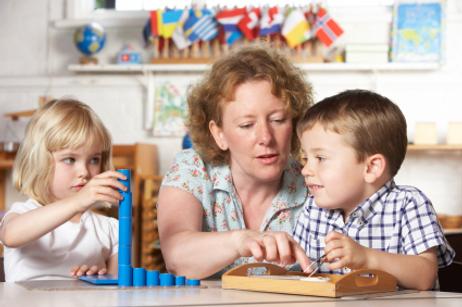
You Know You Are in a Montessori School When....

Updated
|
You Know You Are in a Montessori School When....
Montessori classrooms are different from the classrooms in conventional schools. Here's what to look for.

Dr. Maria Montessori's first Casa de Bambini in Rome opened in 1906. That school and Dr. Montessori's methods were so innovative and ahead of their time that word of Dr. Montessori and her methods spread quickly around Europe. By 1911 the first Montessori school opened in the United States. That school was located north of New York City in Tarrytown. When you consider that communications in the early twentieth century were slow, the fact that word about Dr. Montessori did spread so quickly was remarkable. One other fact worth noting is that Dr. Montessori began her work with disadvantaged children living in Rome's poorest neighborhoods. Yet when her approach found its way to the United States, it appealed strongly to middle-class parents who were looking for enlightened alternatives to the traditional educational methods found in American schools. The following video offers a brief history of Montessori.

Nowadays Montessori schools enjoy an enthusiastic following with approximately 4,000 certified schools in the U.S. Most of these are private schools offering the early or primary grades. Only about 200 public schools use the Montessori method or some version thereof. Because Dr. Maria Montessori did not trademark the name Montessori, any school can claim to be a Montessori school. Just because it says it is a Montessori school does not mean that it is the real thing. As a result you will have to be observant and aware of what

. . .read more

5 Things Every Parent Should Do

Updated
|
5 Things Every Parent Should Do
Every private school parent is encouraged to help the school in whatever way he can. Here are some things you can do to make a contribution to your school.

If you are new to the school where your child has just been accepted, you may think that the school functions like a well-oiled machine with little help from outside. Nothing could be further from the truth. Your help and support as a parent are essential and, indeed, expected. In 2026, parent involvement remains especially important as schools manage student wellness needs, technology integration, enrollment pressures, and rising operating costs. Let's look at some ways in which we parents can contribute time, talent and treasure to our children's schools.

1. Support your school financially.

Depending on where you live and what your schedule is like, supporting the school financially may be all that you can do. If you have the means to make a significant gift, then contact the development office to see how best to use your munificence. Leadership gifts are critical to any school's fundraising success. In any case, give what you can. Gifts from parents are an important source of funding for most private schools.

In 2026, many schools also offer online giving portals, recurring donation options, and targeted campaigns for financial aid, security, technology, and student wellness initiatives. Parents who want more background on school finances can review Private School Endowments and Tuition Explained and Navigating Private School Finances: A Parent's Guide.

2. Be a class parent.

Primary schools, in particular, will appreciate help with all sorts of things. You will be worth your weight in gold if you are the kind

. . .read more

Recent Articles

Should Your Child Stay at the Same Private School K–12?
Explore whether your child should attend the same private school from kindergarten through graduation, weighing academic continuity, friendships, changing needs, tuition costs, and opportunities at different educational stages.
When Your Child's Closest Friends Leave Private School
Learn how to support your child when close friends leave private school, manage loneliness, maintain friendships, encourage new connections, recognize emotional challenges, and decide when additional school support is needed.
When Your Child Doesn't Connect With Their Teacher
Discover when parents should intervene if their child struggles to connect with a private school teacher, including warning signs, communication strategies, classroom concerns, and practical steps toward improving relationships.