School Life

Get a glimpse of private school life. Here you'll find a survival guide for parents, brush up on terms and jargon, and learn why extracurricular activities are so important.

View the most popular articles in School Life:

Executive Function Skills: The Key to Academic Success

Updated
|
Executive Function Skills: The Key to Academic Success
Learn why executive function skills are among the strongest predictors of academic success and how parents and schools can strengthen them.

For years, academic success was often associated with intelligence, test scores, or natural talent. Yet a growing body of educational research points to a different factor that may be even more important: executive function skills.

These cognitive skills help students manage their thoughts, emotions, attention, and behavior in pursuit of long-term goals. Whether a student is completing a science project, preparing for exams, managing extracurricular commitments, or navigating a challenging classroom environment, executive function skills are often the hidden engine behind success.

In 2026, as schools continue integrating technology, project-based learning, and personalized education models, executive function skills have become more critical than ever. Private schools, in particular, are increasingly investing in programs designed to strengthen these skills because educators recognize their direct connection to academic achievement, college readiness, and lifelong success.

What Are Executive Function Skills?

Executive function skills are the brain's management system. They help students plan, prioritize, organize, focus attention, regulate emotions, and complete tasks.

Researchers generally group executive function into three core areas:

Executive Function SkillDescription
Working MemoryHolding and manipulating information in the mind
Cognitive FlexibilityAdjusting to new situations and shifting strategies
Inhibitory ControlManaging impulses and maintaining self-control

These core functions support a broader set of academic behaviors, including:

  • Time management
  • Organization
  • Goal setting
  • Task initiation
  • Sustained attention
  • Emotional regulation
  • Self-monitoring
  • Study planning

According to research published by the Institute of Education Sciences, executive function plays a foundational role in school readiness, academic achievement, and long-term educational outcomes. Studies have found that executive function measured in childhood predicts success across numerous academic and life
. . .read more

Private School Transportation Options: A 2026 Parent Guide

Updated
|
Private School Transportation Options: A 2026 Parent Guide
Explore private school transportation options in 2026, including buses, carpools, transit, and safety considerations for families.

For many families, choosing a private school involves more than academics, culture, and tuition. Transportation can be one of the most important practical considerations, particularly when a school draws students from multiple communities rather than a single attendance zone.

Private school transportation options have evolved significantly in recent years. Rising transportation costs, ongoing driver shortages, advances in route-planning technology, and growing parent demand for flexibility have prompted schools to rethink how students get to and from campus. In 2026, families evaluating private schools should understand the full range of transportation solutions available and how those options may affect daily schedules, costs, and convenience.

As you compare schools, transportation should be part of your overall evaluation process, alongside academics, school culture, and extracurricular offerings. Articles such as Choosing a Private School and What to Research Before Choosing a Private School provide additional guidance on assessing a school's overall fit for your family.

Why Transportation Matters More Than Ever

Unlike public schools, most private schools do not have geographically assigned attendance boundaries. Students often travel across cities, counties, and even state lines to attend a school that matches their educational needs.

That broader enrollment footprint creates unique transportation challenges:

  • Longer commute distances
  • Increased traffic congestion around campuses
  • Greater demand for organized transportation services
  • Scheduling complications for working parents
  • Higher transportation operating costs

At the same time, many schools recognize that transportation availability can directly affect enrollment. Families may love a school's academic program but ultimately choose a different option if the daily

. . .read more

How Private Schools Are Adapting to Students with AI-Assisted Learning Habits

Updated
|
How Private Schools Are Adapting to Students with AI-Assisted Learning Habits
Learn how private schools are responding to AI-assisted learning through updated policies, classroom innovation, and responsible technology integration.

Artificial intelligence has quickly become one of the most influential technologies in education. From AI-powered tutoring tools and research assistants to writing support platforms and personalized learning applications, students are increasingly incorporating artificial intelligence into their daily academic routines.

For private schools, the rapid adoption of AI presents both opportunities and challenges. Educators are navigating questions about academic integrity, critical thinking, student accountability, and responsible technology use while also exploring how AI can enhance learning outcomes.

Rather than attempting to ignore or prohibit AI altogether, many private schools are embracing a more nuanced approach. They are developing policies, teaching digital literacy, and redesigning assignments to ensure students learn how to use AI effectively and ethically.

As explored in Technology in Private Schools: 2025 Insights, independent schools have historically been early adopters of educational innovation. Artificial intelligence represents the latest evolution in that trend.

Why AI-Assisted Learning Is Becoming Common

AI tools have become remarkably accessible. Students can now use platforms that help with:

  • Research
  • Brainstorming
  • Writing support
  • Coding assistance
  • Language learning
  • Study guides
  • Test preparation
  • Mathematical problem-solving

Unlike previous educational technologies, AI can generate customized responses and explanations in real time. This capability has transformed how many students approach assignments and independent study.

The question facing schools is no longer whether students will use AI. Instead, educators are increasingly focused on teaching students how to use it responsibly.

How Private Schools Are Responding

Developing Clear AI Policies

One of the first steps many schools have taken is creating formal AI usage guidelines.

These policies

. . .read more

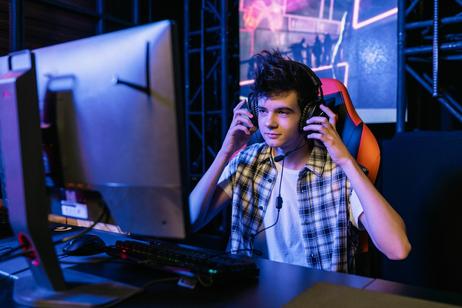
Private School Programs for Students Interested in Esports Careers

Updated
|
Private School Programs for Students Interested in Esports Careers
Explore how private schools are preparing students for esports careers through competitive gaming programs, STEM education, and industry partnerships.

For decades, student-athletes have pursued opportunities in traditional sports through school-based programs. Today, a growing number of students are finding similar pathways through esports. Competitive gaming has evolved from a niche hobby into a global industry worth billions of dollars, creating career opportunities that extend far beyond professional gameplay.

As esports continues to gain legitimacy in education and collegiate athletics, private schools are increasingly developing programs designed to support students interested in gaming, technology, broadcasting, game design, and esports management. These programs combine competitive opportunities with academic preparation, helping students build skills that can translate into a variety of career paths.

Much like the educational philosophy discussed in Athletics Are Not Optional, many schools view esports as another avenue for developing teamwork, leadership, strategic thinking, and communication skills.

Why Esports Is Becoming Part of Private School Education

The esports industry has grown dramatically over the past decade. According to the National Association of Esports Coaches and Directors, competitive gaming programs are now present in thousands of educational institutions across the United States.

Private schools are responding to this growth by creating structured esports programs that emphasize both competition and education. Rather than viewing gaming solely as recreation, many schools recognize its connection to technology, digital media, business, and STEM learning.

Students involved in esports often develop skills including:

  • Team collaboration
  • Strategic planning
  • Communication
  • Data analysis
  • Leadership
  • Problem-solving
  • Digital literacy
  • Time management

These competencies align closely with many of the broader educational goals found in independent schools.

What Private School Esports Programs Typically
. . .read more

The Role of Private Schools in Olympic and Elite Athletic Development

Updated
|
The Role of Private Schools in Olympic and Elite Athletic Development
Discover how private schools help develop Olympic and elite athletes through coaching, facilities, academics, and long-term athlete support.

For many families, private schools are known for academic rigor, small class sizes, and strong college preparation. Increasingly, however, they are also becoming important pathways for students pursuing elite athletic goals. From Olympic hopefuls and national team members to NCAA recruits and professional prospects, private schools have emerged as significant contributors to athletic development across a wide range of sports.

The relationship between academics and athletics has evolved considerably over the past decade. Today's top private schools often provide sophisticated training environments, experienced coaching staffs, sports science resources, and flexible academic support systems that allow talented student-athletes to pursue excellence in both the classroom and competition.

As discussed in Athletics Are Not Optional, athletics remain a core component of the educational philosophy at many independent schools. The goal is not simply to produce winning teams but to develop well-rounded students who excel academically, socially, and physically.

Why Private Schools Have Become Athletic Development Hubs

Elite athletic development requires far more than natural talent. Student-athletes need access to coaching, competition, facilities, recovery resources, and academic flexibility. Many private schools are uniquely positioned to provide this combination.

Unlike many public school districts that must allocate resources across large student populations, private schools often have greater flexibility to invest in specialized athletic programs. These investments can include:

  • Professional-level training facilities
  • Strength and conditioning programs
  • Sports performance analytics
  • Athletic trainers and sports medicine support
  • Individualized academic scheduling
  • Specialized coaching staffs
  • National and international competition opportunities

For athletes competing in sports such as swimming, tennis, rowing, gymnastics, golf,

. . .read more

Recent Articles

Should Your Child Stay at the Same Private School K–12?
Explore whether your child should attend the same private school from kindergarten through graduation, weighing academic continuity, friendships, changing needs, tuition costs, and opportunities at different educational stages.
When Your Child's Closest Friends Leave Private School
Learn how to support your child when close friends leave private school, manage loneliness, maintain friendships, encourage new connections, recognize emotional challenges, and decide when additional school support is needed.
When Your Child Doesn't Connect With Their Teacher
Discover when parents should intervene if their child struggles to connect with a private school teacher, including warning signs, communication strategies, classroom concerns, and practical steps toward improving relationships.

Why Private School