School Life

Get a glimpse of private school life. Here you'll find a survival guide for parents, brush up on terms and jargon, and learn why extracurricular activities are so important.

View the most popular articles in School Life:

Private School Safety Measures in 2026

Updated
|
Private School Safety Measures in 2026
Explore updated private school safety measures in 2026, including campus security, mental health support, emergency planning, and digital safety.

For many families evaluating educational options, safety remains one of the most important considerations. Academic quality, extracurricular programs, and school culture matter, but parents also want reassurance that their children will learn in a secure, supportive environment.

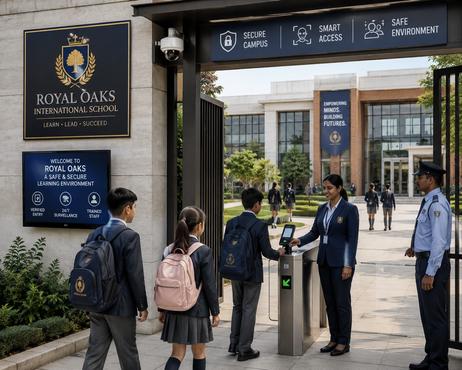
In 2026, private school safety measures extend far beyond locked doors and visitor check-ins. Schools are investing in comprehensive approaches that include physical security, emergency preparedness, student wellness programs, cybersecurity protections, and stronger communication systems with families.

While no school environment can eliminate every risk, many private schools benefit from smaller campuses, lower student-to-teacher ratios, and greater operational flexibility. These factors often allow administrators to implement safety protocols more quickly and maintain closer oversight of students and facilities.

As discussed in Why Private School? Key Considerations for Families in 2025, safety and student well-being continue to rank among the leading reasons families consider private education.

How Private School Safety Measures Have Evolved

School safety expectations have changed significantly over the past decade. In 2026, private schools are increasingly focused on layered security strategies that combine prevention, preparedness, and student support.

Modern private school safety measures often include:

  • Controlled campus access systems
  • Security cameras and monitored entrances
  • Emergency response training
  • Mental health and counseling services
  • Cybersecurity protections for student data
  • Anonymous reporting systems
  • Visitor management technology
  • Crisis communication platforms

Many schools now approach safety as a community-wide responsibility involving administrators, faculty, parents, students, and local first responders.

According to the National Center for Education Statistics, school safety concerns remain a major factor influencing family education decisions


. . .read more

How Private Schools Support Student Entrepreneurship

Updated
|
How Private Schools Support Student Entrepreneurship
Learn how private schools are building student-led startups and entrepreneurship programs through mentorship, innovation labs, and business education.

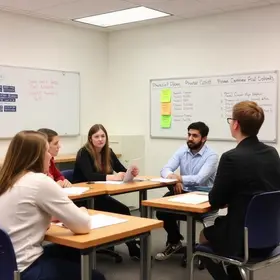
Entrepreneurship education has evolved far beyond traditional business electives. In 2026, many private schools are actively creating environments where students launch startups, develop business plans, pitch investors, and solve real-world problems before graduating from high school.

From student-run companies to innovation incubators and entrepreneurship labs, private schools are increasingly integrating business leadership into their academic culture. These programs are designed not only to teach financial literacy, but also to develop creativity, collaboration, communication, and resilience.

As colleges and employers place greater emphasis on initiative and problem-solving, entrepreneurship programs have become a growing point of distinction among independent schools. Families researching private education are paying closer attention to how schools prepare students for a rapidly changing economy shaped by technology, artificial intelligence, and innovation.

Why Entrepreneurship Programs Are Growing in Private Schools

Private schools often have greater flexibility than public schools when designing curriculum and experiential learning opportunities. This flexibility allows many schools to move quickly when introducing entrepreneurship programs tied to emerging industries and workforce trends.

Several factors are driving this growth:

  • Increased interest in STEM and innovation education
  • Expansion of AI and digital business opportunities
  • Rising demand for experiential learning
  • Greater emphasis on leadership and problem-solving skills
  • Strong alumni and business community networks

Many schools also recognize that entrepreneurship education benefits students regardless of whether they eventually start a business. Skills such as critical thinking, collaboration, public speaking, and adaptability translate into nearly every profession.

The growing popularity of entrepreneurship-focused learning reflects broader changes in education. Families exploring modern academic models

. . .read more

Student-Led Startups in Private Schools

Updated
|
Student-Led Startups in Private Schools
How private schools support student-led startups through entrepreneurship programs, mentorship, ethics, funding, and real-world learning.

Private schools are increasingly treating student-led startups and entrepreneurship programs as more than extracurricular enrichment. In 2026, these programs are becoming part of a broader movement toward applied learning, career readiness, and student agency.

For families comparing schools, entrepreneurship can signal a school’s willingness to connect academic work with real-world problem-solving. The strongest programs do not simply encourage students to “start a business.” They teach research, financial literacy, ethical decision-making, communication, resilience, and collaboration.

This is especially relevant in private schools, where curricular flexibility often allows faculty to build interdisciplinary programs faster than larger systems can. Parents evaluating academic programs in private schools may increasingly see entrepreneurship listed alongside STEM, global studies, arts, leadership, and internship opportunities.

Why Entrepreneurship Fits the Private School Model

Private schools often have several advantages when building entrepreneurship programs. Smaller class sizes can allow for project-based learning. Faculty may have more freedom to design interdisciplinary courses. Alumni networks, parent communities, and local business partnerships can provide mentors, speakers, and internship connections.

Entrepreneurship also aligns naturally with the kind of education many private schools already promote: Independent thinking, leadership, service, and initiative. A student startup can involve math, writing, design, technology, public speaking, and ethics in one sustained project.

The best programs avoid glamorizing business ownership. Instead, they use entrepreneurship as a framework for helping students identify problems, test ideas, learn from feedback, and understand consequences.

What Student-Led Startups Look Like

Student-led startups in private schools vary widely. Some are small ventures created

. . .read more

Technology in Private School Classrooms (2026 Guide)

Updated
|
Technology in Private School Classrooms (2026 Guide)
Explore how technology in private school classrooms enhances learning, personalization, and student outcomes in 2026.

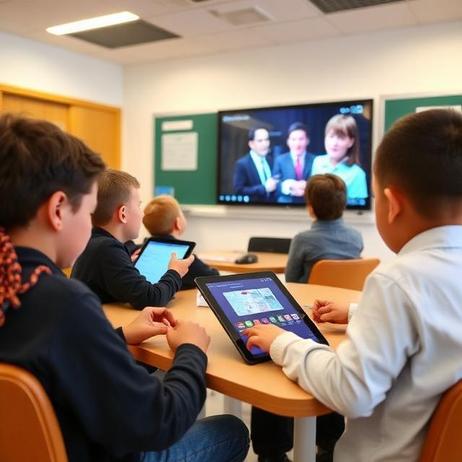
Technology in private school classrooms has evolved from a supplemental tool into a central pillar of teaching and learning. In 2026, private schools are leveraging advanced digital platforms, artificial intelligence, and immersive tools to create highly personalized and engaging educational environments.

For parents evaluating educational options, understanding how private schools integrate technology can offer valuable insight into both academic quality and future readiness. This article explores the current landscape, key benefits, and practical considerations of technology in private education.

The Modern Private School Classroom

Private schools have long had the flexibility to innovate, and that advantage is especially visible in their approach to technology. Unlike many public systems constrained by district-wide policies, private institutions can quickly adopt and adapt emerging tools.

Today’s classrooms often include:

  • One-to-one device programs (laptops or tablets for every student)
  • Interactive whiteboards and smart displays
  • Learning management systems (LMS) for assignments and communication
  • AI-powered tutoring and assessment tools
  • Virtual and augmented reality experiences

According to the National Center for Education Statistics, access to digital learning tools continues to expand across all school types, but private schools often lead in implementation speed and customization.

Key Benefits of Technology in Private School Classrooms

  1. Personalized Learning at Scale

    One of the most significant advantages of technology is the ability to tailor instruction to individual students.

    Adaptive learning platforms analyze performance in real time, adjusting difficulty and pacing. This allows students to:

    • Move ahead in subjects where they excel
    • Receive targeted support in areas of difficulty
    • Learn in ways aligned with their strengths

    This level of

. . .read more

Project Based Learning in Private Schools Guide

Updated
|
Project Based Learning in Private Schools Guide
Explore project-based learning in private schools, outcomes, assessment methods, and what parents should expect in 2026.

Project-based learning has become a defining feature of many modern classrooms, particularly within independent education. As families explore academic options, understanding how project-based learning in private schools, outcomes, and assessment work in practice can offer valuable insight into a school’s teaching philosophy and effectiveness.

Unlike traditional instruction models that rely heavily on lectures and standardized tests, project-based learning, often abbreviated as PBL, emphasizes hands-on, inquiry-driven experiences. Students engage in extended projects that require critical thinking, collaboration, and real-world problem solving. In 2026, this approach is no longer experimental; it is a central strategy in many leading private schools.

What is Project-Based Learning?

Project-based learning is an instructional approach where students learn by actively exploring complex questions or challenges over time. Rather than passively receiving information, students take ownership of their learning through investigation and creation.

Key characteristics of PBL include:

  • Real-world relevance and authentic problems
  • Student-driven inquiry and research
  • Collaborative work and peer feedback
  • Integration of multiple subject areas
  • Public presentation or demonstration of learning

For example, instead of completing a worksheet on environmental science, students might design a sustainability plan for their school campus, incorporating data analysis, writing, and presentation skills.

Why Private Schools Are Embracing PBL

Private schools are often early adopters of innovative teaching methods due to their curricular flexibility. Over the past two years, many have expanded their use of project-based learning to better prepare students for higher education and evolving workforce demands.

Emphasis on Skill Development

Colleges and employers increasingly value skills such as critical thinking, communication,

. . .read more

Recent Articles

Should Your Child Stay at the Same Private School K–12?
Explore whether your child should attend the same private school from kindergarten through graduation, weighing academic continuity, friendships, changing needs, tuition costs, and opportunities at different educational stages.
When Your Child's Closest Friends Leave Private School
Learn how to support your child when close friends leave private school, manage loneliness, maintain friendships, encourage new connections, recognize emotional challenges, and decide when additional school support is needed.
When Your Child Doesn't Connect With Their Teacher
Discover when parents should intervene if their child struggles to connect with a private school teacher, including warning signs, communication strategies, classroom concerns, and practical steps toward improving relationships.

Why Private School