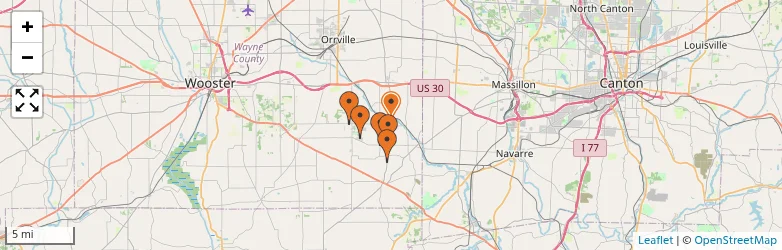
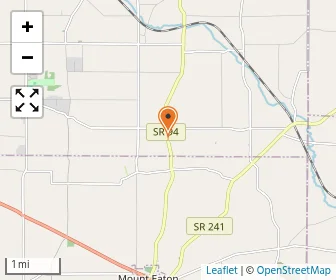
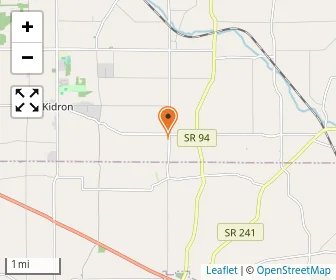
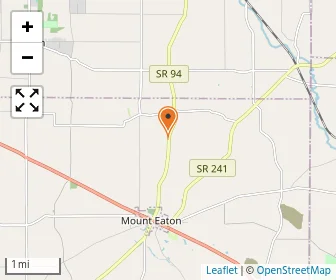
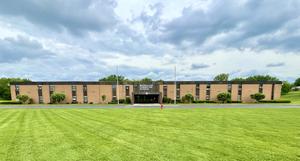
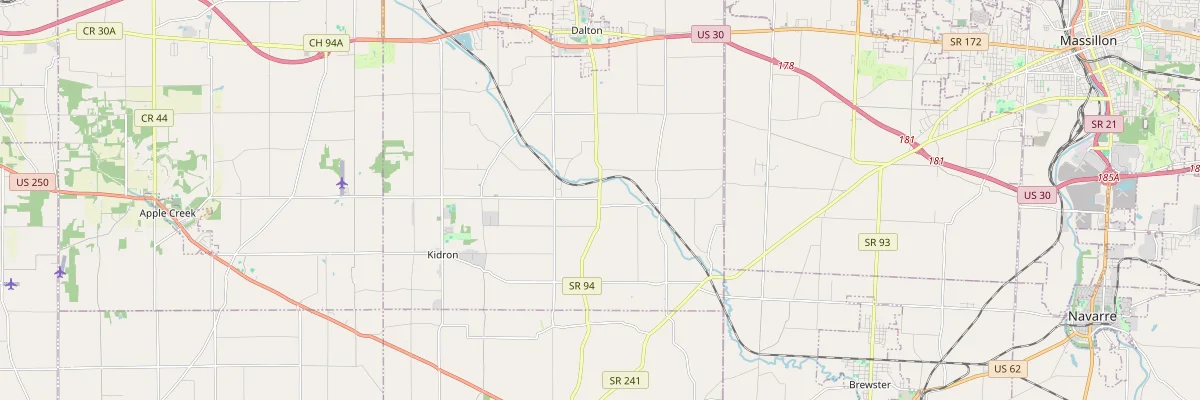
Chestnut Valley in Dalton, OH is a rural, co–ed alternative school affiliated with the Amish community, serving grades 1 through 8.
The school enrolls 30 students with a student–teacher ratio of 15:1, supported by two full–time teachers.
Chestnut Valley offers education within a religious affiliation classified as other religious in a rural setting.
The school's total enrollment of 30 students provides a small community environment compared to nearby private schools in Dalton.
Quick Facts (2026)
- School Type: Alternative School
- Grades: 1-8
- Enrollment: 30 students
- Application Deadline: None / Rolling
- Source: National Center for Education Statistics (NCES)

School Overview
Student Body
Total Students
30 students
Student Body Type
Co-ed
Students by Grade
Academics and Faculty
Total Classroom Teachers
2 teachers
Student-Teacher Ratio
15:1
National avg.: 11:1
Tuition and Acceptance Rate
Admission Deadline
None / Rolling
Source: National Center for Education Statistics (NCES)
Frequently Asked Questions
When is the application deadline for Chestnut Valley?
The application deadline for Chestnut Valley is rolling (applications are reviewed as they are received year-round).
School Reviews
Endorse Chestnut Valley. Endorsements should be a few sentences in length. Please include any comments on:

- Quality of academic programs, teachers, and facilities
- Availability of music, art, sports and other extracurricular activities
- Academic or athletic awards
Recent Articles
Private School Closures and Consolidations: Warning Signs to Watch
Learn the financial, enrollment, and leadership warning signs that may indicate a private school is at risk of closure or consolidation, and how families can prepare.
AI Tutoring in Private Schools: Innovation or Risk?
Discover how AI tutoring is changing private education, the benefits and risks for students, and what parents should ask before enrolling.
What New Cell Phone Laws Mean for Private School Families
Learn how new cell phone laws are affecting private schools, what parents should expect, and how to evaluate school technology policies in 2026.