About the School
- New Territory Montessori School in Sugar Land, TX, serves 53 students in a co–ed, nonsectarian kindergarten program within a midsize city community.
- The school maintains a student–teacher ratio of 6:1 with 9 teachers supporting early childhood education.
- Located in Sugar Land, this Montessori school offers focused kindergarten education with a student body that includes 14.58% students of color.
- New Territory Montessori School provides an early learning program structured around the Montessori method in a city–based setting.
School Facts
Student Body
Total Students
53 students
Student Body Type
Co-ed
% Students of Color
15%
State avg.: 42%
Academic Profile
Total Classroom Teachers
9 teachers
Student-Teacher Ratio
6:1
National avg.: 11:1
Tuition & Financial Aid
Admission Deadline
None / Rolling
Frequently Asked Questions
When is the application deadline for New Territory Montessori School?
The application deadline for New Territory Montessori School is rolling (applications are reviewed as they are received year-round).
Nearby Private Schools
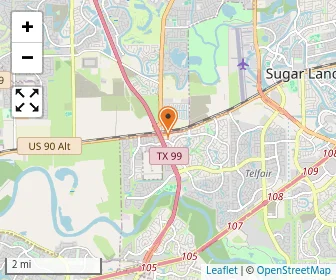
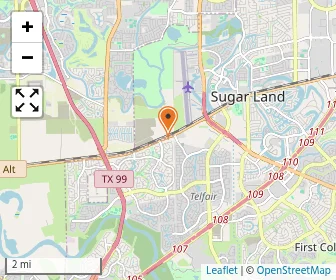
The nearest high school to New Territory Montessori School is Fusion Academy Sugar Land (2.1 miles away)
The nearest elementary school and preschool is Cambridge Montessori School (1.2 miles away)
Show me:
Distance: 1.2 mi
Gr: PK-1 | 100 students
Avg. class size: 12 students
Extracurriculars: 5
Montessori School
6380 Highway 90A
Sugar Land, TX 77498
(281) 491-2223

Distance: 2.1 mi
Gr: 6-12
Alternative School
13440 University Blvd., Suite 260
Sugar Land, TX 77479
(877) 673-8893
Distance: 2.7 mi
Gr: PK-10 | 263 students
Avg. class size: 15 students
Sports: 14 | Extracurriculars: 7
Christian
2140 First Colony Blvd
Sugar Land, TX 77479
(832) 980-0842
Distance: 2.7 mi
Gr: NS-K | 172 students
Sports: 2 | Extracurriculars: 1
Daycare / Preschool
1315 Soldiers Field Dr
Sugar Land, TX 77479
(281) 277-8585
Distance: 2.8 mi
Gr: K | 29 students
Avg. class size: 16 students
Montessori School
6633 Greatwood Pkwy
Sugar Land, TX 77479
(281) 343-1888
Distance: 2.1 mi
Gr: 6-12
Alternative School
13440 University Blvd., Suite 260
Sugar Land, TX 77479
(877) 673-8893
Distance: 2.7 mi
Gr: PK-10 | 263 students
Avg. class size: 15 students
Sports: 14 | Extracurriculars: 7
Christian
2140 First Colony Blvd
Sugar Land, TX 77479
(832) 980-0842
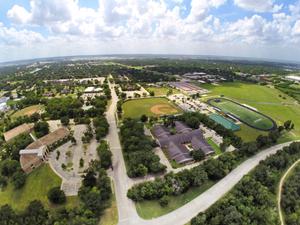
Distance: 4.2 mi
Gr: PK-12 | 748 students
Avg. class size: 18 students
Sports: 13 | Extracurriculars: 17
Christian
1250 Seventh Street
Sugar Land, TX 77478
(281) 263-9175
Distance: 4.4 mi
Gr: K-10 | 8 students
Special Education School (Christian)
1730 Williams Trce Blvd Ste H
Sugar Land, TX 77478
(281) 978-6056
Distance: 5.0 mi
Gr: 5-12 | 16 students
Special Education School (Baptist)
17424 W Grand Pkwy S., #282
Sugar Land, TX 77479
(832) 886-4940
Distance: 1.2 mi
Gr: PK-1 | 100 students
Avg. class size: 12 students
Extracurriculars: 5
Montessori School
6380 Highway 90A
Sugar Land, TX 77498
(281) 491-2223
Distance: 2.1 mi
Gr: 6-12
Alternative School
13440 University Blvd., Suite 260
Sugar Land, TX 77479
(877) 673-8893
Distance: 2.7 mi
Gr: PK-10 | 263 students
Avg. class size: 15 students
Sports: 14 | Extracurriculars: 7
Christian
2140 First Colony Blvd
Sugar Land, TX 77479
(832) 980-0842
Distance: 3.4 mi
Gr: PK-6 | 73 students
Avg. class size: 12 students
Montessori School
4225 Elkins Road
Sugar Land, TX 77479
(281) 980-4123
Distance: 3.5 mi
Gr: PK-1 | 25 students
Montessori School
211 Wood St
Sugar Land, TX 77498
(281) 494-2667
Distance: 1.2 mi
Gr: PK-1 | 100 students
Avg. class size: 12 students
Extracurriculars: 5
Montessori School
6380 Highway 90A
Sugar Land, TX 77498
(281) 491-2223
Distance: 2.7 mi
Gr: PK-10 | 263 students
Avg. class size: 15 students
Sports: 14 | Extracurriculars: 7
Christian
2140 First Colony Blvd
Sugar Land, TX 77479
(832) 980-0842
Distance: 2.7 mi
Gr: NS-K | 172 students
Sports: 2 | Extracurriculars: 1
Daycare / Preschool
1315 Soldiers Field Dr
Sugar Land, TX 77479
(281) 277-8585
Distance: 2.8 mi
Gr: K | 29 students
Avg. class size: 16 students
Montessori School
6633 Greatwood Pkwy
Sugar Land, TX 77479
(281) 343-1888
Distance: 2.8 mi
Gr: NS-PK | 172 students
Daycare / Preschool
6550 Greatwood Parkway
Sugar Land, TX 77479
(281) 343-8889
School
(Math and Reading Proficiency)
(Math and Reading Proficiency)
Location
Miles
Quick Facts
Brazos Bend Elementary School
(Math: 66% | Reading: 67%)
Rank:
Rank:
9/
Top 20%10
621 Cunningham Creek Blvd
Sugar Land, TX 77479
(281) 634-5180
Sugar Land, TX 77479
(281) 634-5180
0.9 miles
Gr: PK-5 | 716 students Student-Teacher Ratio: 16:1 Minority enrollment: 77%
Walker Station Elementary School
(Math: 81% | Reading: 81%)
Rank:
Rank:
10/
Top 5%10
6200 Homeward Way Blvd
Sugar Land, TX 77479
(281) 634-4400
Sugar Land, TX 77479
(281) 634-4400
0.9 miles
Gr: PK-5 | 793 students Student-Teacher Ratio: 17:1 Minority enrollment: 76%
Sartartia Middle School
(Math: 79% | Reading: 80%)
Rank:
Rank:
10/
Top 5%10
8125 Homeward Way
Sugar Land, TX 77479
(281) 634-6310
Sugar Land, TX 77479
(281) 634-6310
1.1 miles
Gr: 6-8 | 1,365 students Student-Teacher Ratio: 18:1 Minority enrollment: 82%
Cornerstone Elementary School
(Math: 82% | Reading: 86%)
Rank:
Rank:
10/
Top 5%10
1800 Chatham Ave
Sugar Land, TX 77479
(281) 634-6400
Sugar Land, TX 77479
(281) 634-6400
1.8 miles
Gr: PK-5 | 743 students Student-Teacher Ratio: 15:1 Minority enrollment: 90%
Macario Garcia Middle School
(Math: 66% | Reading: 75%)
Rank:
Rank:
10/
Top 10%10
18550 Old Richmond Rd
Sugar Land, TX 77498
(281) 634-3160
Sugar Land, TX 77498
(281) 634-3160
2.3 miles
Gr: 6-8 | 1,443 students Student-Teacher Ratio: 18:1 Minority enrollment: 89%
Recent Articles

Private School Tuition Insurance: Is It Worth Buying?
Is private school tuition insurance worth buying? Learn what policies cover, compare costs and exclusions, and decide whether protecting your tuition investment makes financial sense for your family.

Medical Leave and Private School Tuition: Parent Guide
What happens to private school tuition during medical leave? Learn about refunds, tuition insurance, enrollment contracts, financial aid, and protecting your child's education while managing unexpected medical expenses and recovery.

Private School Commute: Is the Travel Time Worth It?
Is the commute to private school worth it? Learn how to calculate travel time, protect family routines, assess student well-being, and decide whether a longer journey makes educational sense.