About the School
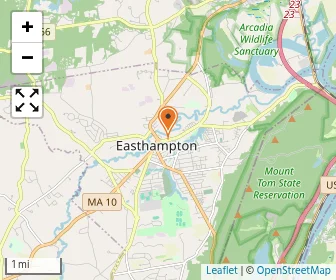
- Our Lady's Child Care Center in Easthampton, MA serves 155 co–ed students in grades K through 8 in an urban community.
- The school has a student–teacher ratio of 16:1 with a total of 10 teachers supporting its elementary and middle school programs.
- Affiliated with the Catholic Church and a member of the National Catholic Educational Association (NCEA), the center incorporates faith–based education.
- The student population includes approximately 2.2% students of color, reflecting some demographic diversity within the school community.
- Our Lady's Child Care Center is one of several private Catholic and secular options for families seeking K–8 education near Easthampton.
School Facts
Student Body
Total Students
155 students
Student Body Type
Co-ed
% Students of Color
2%
State avg.: 32%
Academic Profile
Total Classroom Teachers
10 teachers
Student-Teacher Ratio
16:1
National avg.: 11:1
Tuition & Financial Aid
Admission Deadline
None / Rolling
Frequently Asked Questions
When is the application deadline for Our Lady's Child Care Center?
The application deadline for Our Lady's Child Care Center is rolling (applications are reviewed as they are received year-round).
Nearby Private Schools
The nearest high school and elementary school to Our Lady's Child Care Center is The Williston Northampton School (0.5 miles away)
The nearest preschool is Clown Around Preschool (3.0 miles away)
Show me:
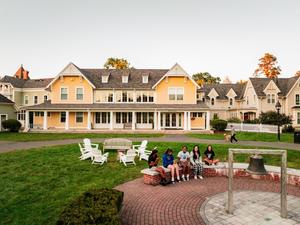
Distance: 0.5 mi
Gr: 7-12 | 490 students
Avg. class size: 12 students
Sports: 23 | Extracurriculars: 24
19 Payson Avenue
Easthampton, MA 01027
(413) 529-3231
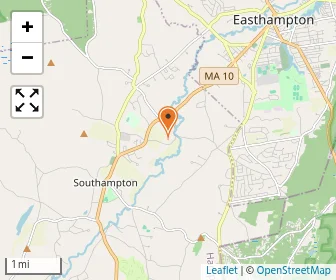
Distance: 3.0 mi
Gr: NS-PK | 14 students
Daycare / Preschool
31 Gunn Road
Southampton, MA 01073
(413) 527-0642
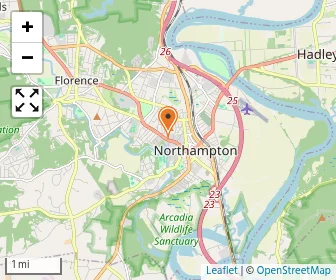
Distance: 3.6 mi
Gr: PK-6 | 15 students
Avg. class size: 3 students
Special Education School
45 Round Hill Road
Northampton, MA 01060
(413) 582-1113
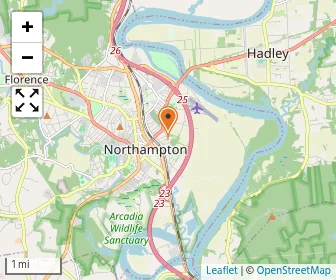
Distance: 4.0 mi
Gr: 5-12 | 25 students
Alternative School
78 Pomeroy Ter
Northampton, MA 01060
(413) 584-1310
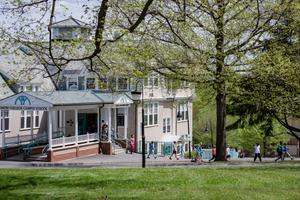
Distance: 4.1 mi
Gr: K-6 | 169 students
33 Prospect Street
Northampton, MA 01063
(413) 585-3270
Distance: 0.5 mi
Gr: 7-12 | 490 students
Avg. class size: 12 students
Sports: 23 | Extracurriculars: 24
19 Payson Avenue
Easthampton, MA 01027
(413) 529-3231
Distance: 4.0 mi
Gr: 5-12 | 25 students
Alternative School
78 Pomeroy Ter
Northampton, MA 01060
(413) 584-1310
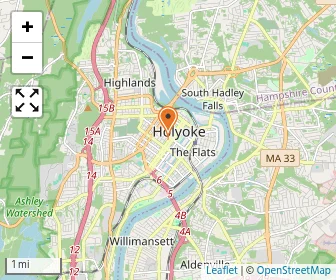
Distance: 5.5 mi
Gr: 2-12 | 44 students
Special Education School
317 Maple St Ste 2
Holyoke, MA 01040
(413) 420-0115
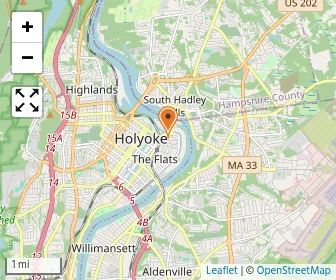
Distance: 5.8 mi
Gr: 2-12 | 68 students
Special Education School
30 Center St
Holyoke, MA 01040
(413) 533-9500
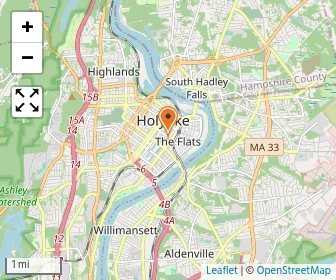
Distance: 5.8 mi
Gr: 7-12 | 55 students
Alternative School
208 Race St
Holyoke, MA 01040
(413) 420-8299
Distance: 0.5 mi
Gr: 7-12 | 490 students
Avg. class size: 12 students
Sports: 23 | Extracurriculars: 24
19 Payson Avenue
Easthampton, MA 01027
(413) 529-3231
Distance: 3.6 mi
Gr: PK-6 | 15 students
Avg. class size: 3 students
Special Education School
45 Round Hill Road
Northampton, MA 01060
(413) 582-1113
Distance: 4.0 mi
Gr: 5-12 | 25 students
Alternative School
78 Pomeroy Ter
Northampton, MA 01060
(413) 584-1310
Distance: 4.1 mi
Gr: K-6 | 169 students
33 Prospect Street
Northampton, MA 01063
(413) 585-3270
Distance: 4.2 mi
Gr: K-6 | 59 students
Avg. class size: 9 students
Sports: 1 | Extracurriculars: 1
Specialized Curriculum (Jewish)
257 Prospect Street
Northampton, MA 01060
(413) 584-6622
Distance: 3.0 mi
Gr: NS-PK | 14 students
Daycare / Preschool
31 Gunn Road
Southampton, MA 01073
(413) 527-0642
Distance: 3.6 mi
Gr: PK-6 | 15 students
Avg. class size: 3 students
Special Education School
45 Round Hill Road
Northampton, MA 01060
(413) 582-1113
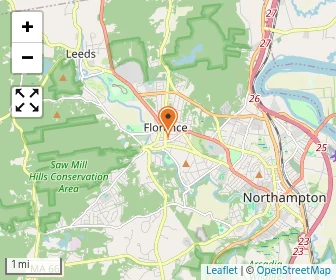
Distance: 4.2 mi
Gr: K | 5 students
Daycare / Preschool
83 Pine St
Florence, MA 01062
(413) 584-1725
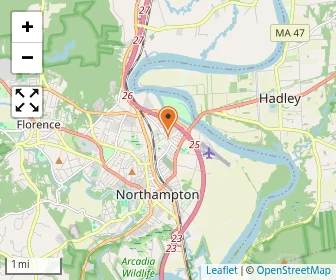
Distance: 4.6 mi
Gr: PK-8 | 108 students
Avg. class size: 24 students
Extracurriculars: 1
Montessori School
51 Bates Street
Northampton, MA 01060
(413) 586-4538
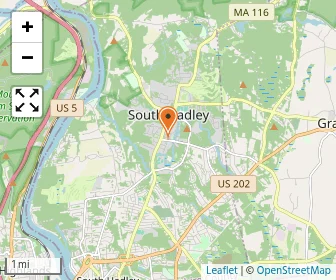
Distance: 4.9 mi
Gr: PK-3 | 144 students
Avg. class size: 14 students
Vocational/Technical School
27 Morgan St
South Hadley, MA 01075
(413) 533-9819
School
(Math and Reading Proficiency)
(Math and Reading Proficiency)
Location
Miles
Quick Facts
Easthampton High School
(Math: 40-44% | Reading: 50-54%)
Rank:
Rank:
6/
Top 50%10
70 Williston Avenue
Easthampton, MA 01027
(413) 529-1585
Easthampton, MA 01027
(413) 529-1585
0.9 miles
Gr: 9-12 | 377 students Student-Teacher Ratio: 10:1 Minority enrollment: 27%
Mountain View School
(Math: 36%)
200 Park Street
Easthampton, MA 01027
(413) 529-1530
Easthampton, MA 01027
(413) 529-1530
1.1 miles
Gr: PK-8 | 991 students Student-Teacher Ratio: 12:1 Minority enrollment: 25%
R. K. Finn Ryan Road
(Math: 45-49% | Reading: 45-49%)
Rank:
Rank:
6/
Top 50%10
498 Ryan Road
Florence, MA 01062
(413) 587-1550
Florence, MA 01062
(413) 587-1550
3.4 miles
Gr: K-5 | 231 students Student-Teacher Ratio: 9:1 Minority enrollment: 21%
William E Norris
(Math: 53% | Reading: 38%)
Rank:
Rank:
6/
Top 50%10
34 Pomeroy Meadow Rd
Southampton, MA 01073
(413) 527-0811
Southampton, MA 01073
(413) 527-0811
3.6 miles
Gr: PK-6 | 475 students Student-Teacher Ratio: 13:1 Minority enrollment: 11%
Northampton High School
(Math: 68% | Reading: 70-74%)
Rank:
Rank:
10/
Top 10%10
380 Elm Street
Northampton, MA 01060
(413) 587-1346
Northampton, MA 01060
(413) 587-1346
3.8 miles
Gr: 9-12 | 875 students Student-Teacher Ratio: 15:1 Minority enrollment: 30%
Recent Articles

Should Your Child Stay at the Same Private School K–12?
Explore whether your child should attend the same private school from kindergarten through graduation, weighing academic continuity, friendships, changing needs, tuition costs, and opportunities at different educational stages.

When Your Child's Closest Friends Leave Private School
Learn how to support your child when close friends leave private school, manage loneliness, maintain friendships, encourage new connections, recognize emotional challenges, and decide when additional school support is needed.

When Your Child Doesn't Connect With Their Teacher
Discover when parents should intervene if their child struggles to connect with a private school teacher, including warning signs, communication strategies, classroom concerns, and practical steps toward improving relationships.