About the School
- Valley Community School & Valley Day Program in Pawtucket, RI serves 86 students from kindergarten through 12th grade in a nonsectarian, co–educational alternative school setting.
- The school has a student–teacher ratio of 9:1 with 10 full–time teachers providing instruction for its K–12 enrollment.
- Approximately 82% of the student body represents students of color, reflecting diversity within the Pawtucket community.
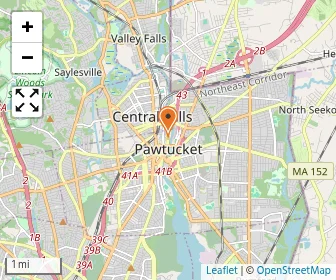
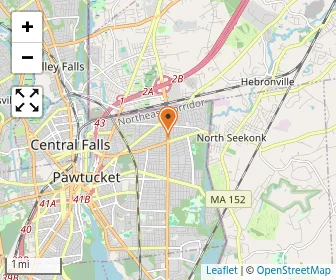
- Located in an urban area, the school offers an alternative education program for families seeking options in Pawtucket, Rhode Island.
- Valley Community School & Valley Day Program operates without religious affiliation and is associated with other school organizations rather than major membership associations.
School Facts
School Type
Grades Offered
Grades Kindergarten-12
Students By Grade
School Calendar
Student Body
Total Students
86 students
Student Body Type
Co-ed
% Students of Color
82%
State avg.: 28%
Academic Profile
Total Classroom Teachers
10 teachers
Student-Teacher Ratio
9:1
National avg.: 11:1
Tuition & Financial Aid
Admission Deadline
None / Rolling
Frequently Asked Questions
When is the application deadline for Valley Community School & Valley Day Program?
The application deadline for Valley Community School & Valley Day Program is rolling (applications are reviewed as they are received year-round).
Related Schools
Show me:
People that viewed Valley Community School & Valley Day Program also viewed these schools: Pawtucket Day Child Development Center and St. Teresa School.
The nearest high school to Valley Community School & Valley Day Program is St. Raphael Academy (0.4 miles away)
The nearest elementary school is Tides School (0.5 miles away)
The nearest preschool is Pawtucket Day Child Development Center (0.9 miles away)
Show me:
Show me:
Distance: 0.9 mi
Gr: PK-4 | 122 students
25 Thornley Street
Pawtucket, RI 02860
(401) 722-7000
Distance: 1.7 mi
Gr: PK-8 | 257 students
Avg. class size: 22 students
Sports: 6 | Extracurriculars: 10
Catholic
140 Woodhaven Rd
Pawtucket, RI 02861
(401) 726-1414
Distance: 0.9 mi
Gr: PK-4 | 122 students
25 Thornley Street
Pawtucket, RI 02860
(401) 722-7000
Distance: 1.7 mi
Gr: PK-8 | 257 students
Avg. class size: 22 students
Sports: 6 | Extracurriculars: 10
Catholic
140 Woodhaven Rd
Pawtucket, RI 02861
(401) 726-1414
Distance: 0.9 mi
Gr: PK-4 | 122 students
25 Thornley Street
Pawtucket, RI 02860
(401) 722-7000
Distance: 1.7 mi
Gr: PK-8 | 257 students
Avg. class size: 22 students
Sports: 6 | Extracurriculars: 10
Catholic
140 Woodhaven Rd
Pawtucket, RI 02861
(401) 726-1414
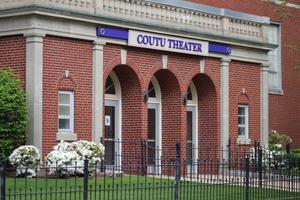
Distance: 0.4 mi
Gr: 9-12 | 431 students
Avg. class size: 13 students
Sports: 16 | Extracurriculars: 33
Catholic
123 Walcott St
Pawtucket, RI 02860
(401) 723-8100
Distance: 0.5 mi
Gr: 8-12 | 15 students
Special Education School
242 Dexter St
Pawtucket, RI 02860
(401) 822-1360
Distance: 0.9 mi
Gr: PK-4 | 122 students
25 Thornley Street
Pawtucket, RI 02860
(401) 722-7000
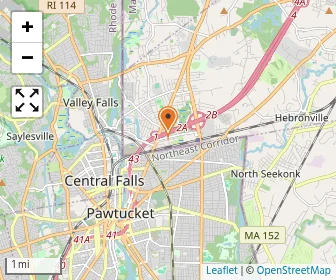
Distance: 1.4 mi
Gr: NS-PK | 297 students
Daycare / Preschool (Catholic)
18 Baltic Street - Route 1 South Attleboro
Attleboro, MA 02703
(508) 761-7770
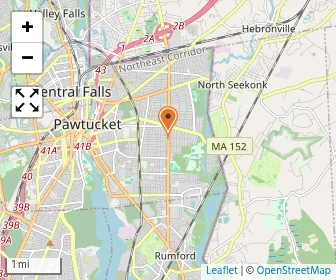
Distance: 1.5 mi
Gr: PK-K | 60 students
Daycare / Preschool
680 Newport Ave
Pawtucket, RI 02861
(401) 725-6240
Distance: 0.4 mi
Gr: 9-12 | 431 students
Avg. class size: 13 students
Sports: 16 | Extracurriculars: 33
Catholic
123 Walcott St
Pawtucket, RI 02860
(401) 723-8100
Distance: 0.5 mi
Gr: 8-12 | 15 students
Special Education School
242 Dexter St
Pawtucket, RI 02860
(401) 822-1360

Distance: 2.1 mi
Gr: 8-12 | 17 students
All-boys | Alternative School
260 Highland Ave
Providence, RI 29062
(401) 789-1016
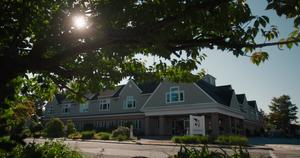
Distance: 2.2 mi
Gr: PK-12 | 233 students
Avg. class size: 16 students
Sports: 2
Christian
1052 Newport Ave
Attleboro, MA 02703
(508) 761-5552
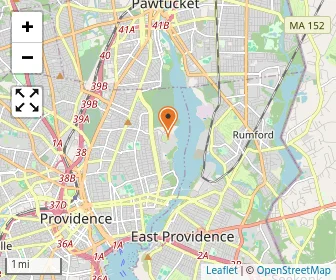
Distance: 2.6 mi
Gr: 8-12 | 28 students
Special Education School
350 Duncan Dr
Providence, RI 02906
(401) 453-4740
Distance: 0.5 mi
Gr: 8-12 | 15 students
Special Education School
242 Dexter St
Pawtucket, RI 02860
(401) 822-1360
Distance: 0.9 mi
Gr: PK-4 | 122 students
25 Thornley Street
Pawtucket, RI 02860
(401) 722-7000
Distance: 1.5 mi
Gr: PK-8 | 173 students
Avg. class size: 19 students
Sports: 5 | Extracurriculars: 7
Catholic
755 Central Ave
Pawtucket, RI 02861
(401) 723-9463
Distance: 1.7 mi
Gr: PK-8 | 257 students
Avg. class size: 22 students
Sports: 6 | Extracurriculars: 10
Catholic
140 Woodhaven Rd
Pawtucket, RI 02861
(401) 726-1414
Distance: 2.1 mi
Gr: 8-12 | 17 students
All-boys | Alternative School
260 Highland Ave
Providence, RI 29062
(401) 789-1016
Distance: 0.9 mi
Gr: PK-4 | 122 students
25 Thornley Street
Pawtucket, RI 02860
(401) 722-7000
Distance: 1.4 mi
Gr: NS-PK | 297 students
Daycare / Preschool (Catholic)
18 Baltic Street - Route 1 South Attleboro
Attleboro, MA 02703
(508) 761-7770
Distance: 1.5 mi
Gr: PK-K | 60 students
Daycare / Preschool
680 Newport Ave
Pawtucket, RI 02861
(401) 725-6240
Distance: 1.5 mi
Gr: PK-8 | 173 students
Avg. class size: 19 students
Sports: 5 | Extracurriculars: 7
Catholic
755 Central Ave
Pawtucket, RI 02861
(401) 723-9463
Distance: 1.7 mi
Gr: PK-8 | 257 students
Avg. class size: 22 students
Sports: 6 | Extracurriculars: 10
Catholic
140 Woodhaven Rd
Pawtucket, RI 02861
(401) 726-1414
School
(Math and Reading Proficiency)
(Math and Reading Proficiency)
Location
Miles
Quick Facts
William E. Tolman High School
(Math: 6% | Reading: 20-24%)
Rank:
Rank:
2/
Bottom 50%10
150 Exchange Street
Pawtucket, RI 02860
(401) 729-6400
Pawtucket, RI 02860
(401) 729-6400
0.1 miles
Gr: 9-12 | 995 students Student-Teacher Ratio: 15:1 Minority enrollment: 76%
Henry J. Winters School
(Math: 14% | Reading: 15-19%)
Rank:
Rank:
3/
Bottom 50%10
481 Broadway
Pawtucket, RI 02860
(401) 729-6272
Pawtucket, RI 02860
(401) 729-6272
0.5 miles
Gr: PK-5 | 550 students Student-Teacher Ratio: 16:1 Minority enrollment: 89%
Agnes E. Little School
(Math: 25-29% | Reading: 15-19%)
Rank:
Rank:
4/
Bottom 50%10
60 South Bend Street
Pawtucket, RI 02860
(401) 729-6256
Pawtucket, RI 02860
(401) 729-6256
0.6 miles
Gr: K-5 | 320 students Student-Teacher Ratio: 11:1 Minority enrollment: 82%
Central Falls Sr High School
(Math: ≤5% | Reading: 10-14%)
Rank:
Rank:
1/
Bottom 50%10
24 Summer Street
Central Falls, RI 02863
(401) 727-7710
Central Falls, RI 02863
(401) 727-7710
0.6 miles
Gr: 9-12 | 788 students Student-Teacher Ratio: 15:1 Minority enrollment: 79%
Calcutt Middle School
(Math: 2% | Reading: 5%)
Rank:
Rank:
1/
Bottom 50%10
112 Washington Street
Central Falls, RI 02863
(401) 727-7726
Central Falls, RI 02863
(401) 727-7726
0.7 miles
Gr: 6-8 | 476 students Student-Teacher Ratio: 14:1 Minority enrollment: 76%
Recent Articles

Private School Tuition Insurance: Is It Worth Buying?
Is private school tuition insurance worth buying? Learn what policies cover, compare costs and exclusions, and decide whether protecting your tuition investment makes financial sense for your family.

Medical Leave and Private School Tuition: Parent Guide
What happens to private school tuition during medical leave? Learn about refunds, tuition insurance, enrollment contracts, financial aid, and protecting your child's education while managing unexpected medical expenses and recovery.
Private School Commute: Is the Travel Time Worth It?
Is the commute to private school worth it? Learn how to calculate travel time, protect family routines, assess student well-being, and decide whether a longer journey makes educational sense.