About the School
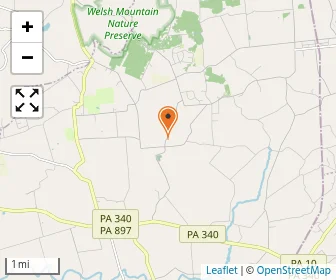
- White Hall Amish School in Gap, PA, serves 26 co–ed students in grades K–8 within a rural community setting.
- The school has one teacher, resulting in a student–teacher ratio of 26:1.
- It is affiliated with the Amish orientation and categorized under other religious educational institutions.
- White Hall Amish School is a member of the Council of Bilingual Education.
- The school provides regular elementary and secondary education in a rural environment near other private K–8 schools in Lancaster County.
School Facts
Student Body
Total Students
26 students
Student Body Type
Co-ed
Academic Profile
Total Classroom Teachers
1 teacher
Student-Teacher Ratio
26:1
National avg.: 11:1
Tuition & Financial Aid
Admission Deadline
None / Rolling
Frequently Asked Questions
When is the application deadline for White Hall Amish School?
The application deadline for White Hall Amish School is rolling (applications are reviewed as they are received year-round).
Nearby Private Schools
The nearest high school to White Hall Amish School is Pequea Mennonite School (3.0 miles away)
The nearest elementary school is Windwheel Hill/eli King, School Board Chairman (1.0 miles away)
The nearest preschool is Twin Valley Bible Academy (6.5 miles away)
Show me:
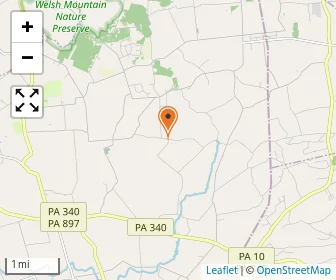
Distance: 1.0 mi
Gr: 1-8 | 16 students
Amish
299 Blank Rd.
Narvon, PA 17555
(717) 355-9962

Distance: 2.0 mi
Gr: 1-8 | 25 students
Amish
206 Churchtown Rd
Narvon, PA 17555
(717) 768-3503
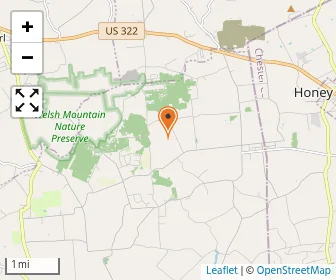
Distance: 2.1 mi
Gr: 1-8 | 28 students
Amish
6011 Mast Rd
Narvon, PA 17555
(717) 354-6475
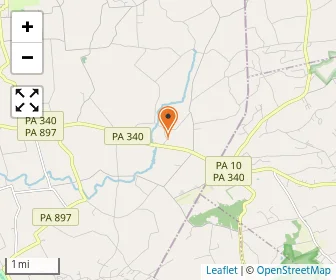
Distance: 2.2 mi
Gr: K-8 | 86 students
Christian
115 Blank Rd
Narvon, PA 17555
(717) 442-7902
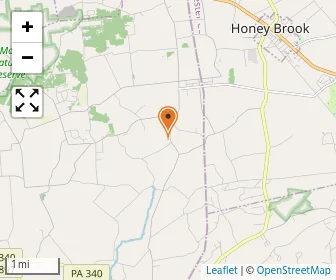
Distance: 2.2 mi
Gr: K-8 | 31 students
Amish
561 Churchtown Rd
Honey Brook, PA 19344
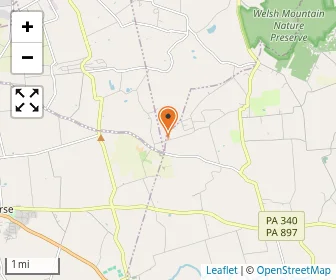
Distance: 3.0 mi
Gr: 7-9 | 22 students
Mennonite
5025 Diem Rd
New Holland, PA 17557
(717) 354-7841
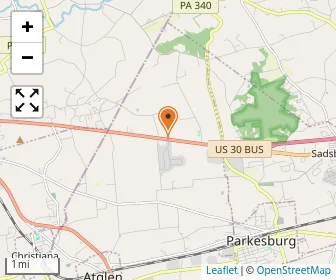
Distance: 5.3 mi
Gr: K-12 | 21 students
4702 Lincoln Hwy
Parkesburg, PA 19365
(484) 288-9943
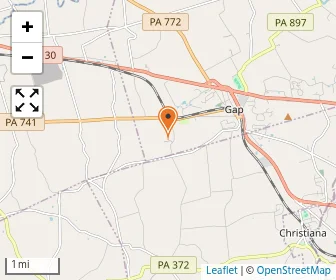
Distance: 6.1 mi
Gr: 9-12 | 91 students
Mennonite
5085 Woodland Dr
Kinzers, PA 17535
(717) 442-8818
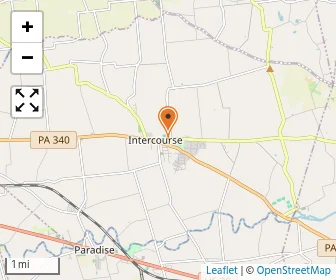
Distance: 6.2 mi
Gr: K-12 | 56 students
Mennonite
3656 Old Philadelphia Pike
Gordonville, PA 17529
(717) 768-8495
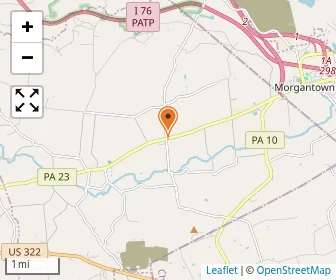
Distance: 6.5 mi
Gr: PK-12 | 44 students
Avg. class size: 6 students
Sports: 3 | Extracurriculars: 5
Alternative School (Christian)
105 Shirktown Rd
Narvon, PA 17555
(610) 286-6646
Distance: 1.0 mi
Gr: 1-8 | 16 students
Amish
299 Blank Rd.
Narvon, PA 17555
(717) 355-9962
Distance: 2.0 mi
Gr: 1-8 | 25 students
Amish
206 Churchtown Rd
Narvon, PA 17555
(717) 768-3503
Distance: 2.1 mi
Gr: 1-8 | 28 students
Amish
6011 Mast Rd
Narvon, PA 17555
(717) 354-6475
Distance: 2.2 mi
Gr: K-8 | 86 students
Christian
115 Blank Rd
Narvon, PA 17555
(717) 442-7902
Distance: 2.2 mi
Gr: K-8 | 31 students
Amish
561 Churchtown Rd
Honey Brook, PA 19344
Distance: 6.5 mi
Gr: PK-12 | 44 students
Avg. class size: 6 students
Sports: 3 | Extracurriculars: 5
Alternative School (Christian)
105 Shirktown Rd
Narvon, PA 17555
(610) 286-6646
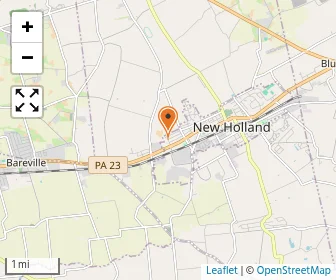
Distance: 6.9 mi
Gr: PK-K | 114 students
Daycare / Preschool (Mennonite)
18 Western Ave
New Holland, PA 17557
(717) 354-4440
Distance: 7.6 mi
Gr: PK-10 | 122 students
Avg. class size: 16 students
Sports: 4 | Extracurriculars: 7
Christian
795 Fallowfield Rd
Atglen, PA 19310
(610) 593-5011
Distance: 7.7 mi
Gr: PK-12 | 308 students
Avg. class size: 17 students
Sports: 6 | Extracurriculars: 9
Christian
2760 Main St
Morgantown, PA 19543
(610) 286-0353

Distance: 8.8 mi
Gr: NS-K
Daycare / Preschool
2201 Valley Road
Morgantown, PA 19543
(610) 286-3300
School
(Math and Reading Proficiency)
(Math and Reading Proficiency)
Location
Miles
Quick Facts
Salisbury Elementary School
(Math: 40-44% | Reading: 45-49%)
Rank:
Rank:
4/
Bottom 50%10
422 School Lane Rd
Gap, PA 17527
(717) 442-8268
Gap, PA 17527
(717) 442-8268
2.7 miles
Gr: K-6 | 258 students Student-Teacher Ratio: 10:1 Minority enrollment: 25%
Honey Brook El Center
(Math: 60-64% | Reading: 60-64%)
Rank:
Rank:
8/
Top 30%10
1530 West Walnut Road
Honey Brook, PA 19344
(610) 273-3615
Honey Brook, PA 19344
(610) 273-3615
4.3 miles
Gr: K-4 | 289 students Student-Teacher Ratio: 11:1 Minority enrollment: 18%
Pequea Valley Intrmd School
(Math: 20% | Reading: 45%)
Rank:
Rank:
3/
Bottom 50%10
166 S New Holland Rd
Kinzers, PA 17535
(717) 768-5535
Kinzers, PA 17535
(717) 768-5535
4.5 miles
Gr: 7-8 | 212 students Student-Teacher Ratio: 11:1 Minority enrollment: 23%
New Holland Elementary School
(Math: 38% | Reading: 45%)
Rank:
Rank:
4/
Bottom 50%10
126 Eastern School Rd
New Holland, PA 17557
(717) 354-1520
New Holland, PA 17557
(717) 354-1520
4.8 miles
Gr: K-6 | 484 students Student-Teacher Ratio: 11:1 Minority enrollment: 29%
Pequea Valley High School
(Math: 45-49% | Reading: 65-69%)
Rank:
Rank:
8/
Top 30%10
4033 E Newport Rd
Kinzers, PA 17535
(717) 768-5500
Kinzers, PA 17535
(717) 768-5500
4.9 miles
Gr: 9-12 | 451 students Student-Teacher Ratio: 13:1 Minority enrollment: 21%
Recent Articles

Should Your Child Stay at the Same Private School K–12?
Explore whether your child should attend the same private school from kindergarten through graduation, weighing academic continuity, friendships, changing needs, tuition costs, and opportunities at different educational stages.

When Your Child's Closest Friends Leave Private School
Learn how to support your child when close friends leave private school, manage loneliness, maintain friendships, encourage new connections, recognize emotional challenges, and decide when additional school support is needed.

When Your Child Doesn't Connect With Their Teacher
Discover when parents should intervene if their child struggles to connect with a private school teacher, including warning signs, communication strategies, classroom concerns, and practical steps toward improving relationships.