About the School
- Archbishop Walsh High School in Olean, NY, serves 119 co–ed students from kindergarten through 12th grade in a town–based community setting.
- Founded in 1958, this Catholic school is a member of the National Catholic Educational Association (NCEA).
- The school maintains a student–teacher ratio of 7:1, with 17 total teachers supporting K–12 education.
- Approximately 15% of the student body represents students of color, reflecting some diversity within the enrollment.
- Archbishop Walsh High School is one of several private K–12 options in Olean, offering Catholic education in a small–town environment.
School Facts
Student Body
Total Students
119 students
Student Body Type
Co-ed
% Students of Color
15%
State avg.: 39%
Academic Profile
Total Classroom Teachers
17 teachers
Student-Teacher Ratio
7:1
National avg.: 11:1
Tuition & Financial Aid
Admission Deadline
None / Rolling
Yearly Tuition Cost
$7,360 (HS), $4,822 (Elementary)
Sports
Colors
White, Green
Frequently Asked Questions
When is the application deadline for Archbishop Walsh High School?
The application deadline for Archbishop Walsh High School is rolling (applications are reviewed as they are received year-round).
Related Schools
Show me:
People that viewed Archbishop Walsh High School also viewed these schools: Southern Tier Catholic School.
The nearest high school and elementary school to Archbishop Walsh High School is Southern Tier Catholic School (0.0 miles away)
The nearest preschool is The Learning Center (12.6 miles away)
Show me:
Show me:
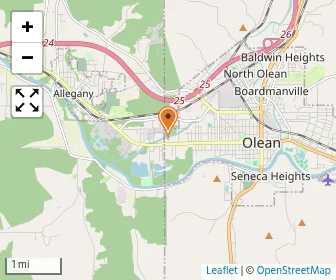
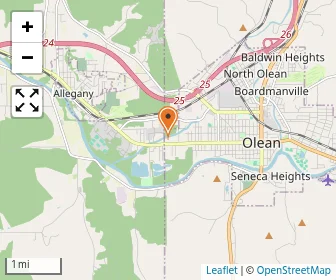
Distance: 0.0 mi
Gr: K-12 | 166 students
Catholic
208 N 24th St
Olean, NY 14760
(716) 372-8122
Distance: 0.0 mi
Gr: K-12 | 166 students
Catholic
208 N 24th St
Olean, NY 14760
(716) 372-8122
Distance: 0.0 mi
Gr: K-12 | 166 students
Catholic
208 N 24th St
Olean, NY 14760
(716) 372-8122
Distance: 0.0 mi
Gr: K-12 | 166 students
Catholic
208 N 24th St
Olean, NY 14760
(716) 372-8122
Distance: 1.7 mi
Gr: K-12 | 60 students
Christian
102 W Forest Ave
Olean, NY 14760
(716) 372-1987
Distance: 12.6 mi
Gr: PK-6 | 76 students
90 Jackson Ave
Bradford, PA 16701
(814) 368-6622
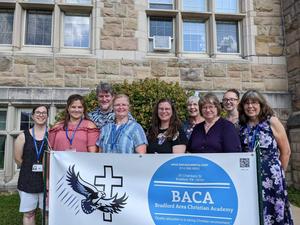
Distance: 12.8 mi
Gr: PK-12 | 56 students
Avg. class size: 10 students
Extracurriculars: 9
Christian
25 Chambers St
Bradford, PA 16701
(814) 368-6800
Distance: 12.9 mi
Gr: K-12 | 33 students
Mennonite
110 Chestnut St
Bradford, PA 16701
(814) 362-2809
Distance: 0.0 mi
Gr: K-12 | 166 students
Catholic
208 N 24th St
Olean, NY 14760
(716) 372-8122
Distance: 1.7 mi
Gr: K-12 | 60 students
Christian
102 W Forest Ave
Olean, NY 14760
(716) 372-1987
Distance: 12.8 mi
Gr: PK-12 | 56 students
Avg. class size: 10 students
Extracurriculars: 9
Christian
25 Chambers St
Bradford, PA 16701
(814) 368-6800
Distance: 12.9 mi
Gr: K-12 | 33 students
Mennonite
110 Chestnut St
Bradford, PA 16701
(814) 362-2809
Distance: 15.3 mi
Gr: 6-12 | 43 students
Avg. class size: 12 students
Special Education School
945 South Ave
Custer City, PA 16725
(814) 598-8507
Distance: 0.0 mi
Gr: K-12 | 166 students
Catholic
208 N 24th St
Olean, NY 14760
(716) 372-8122
Distance: 1.7 mi
Gr: K-12 | 60 students
Christian
102 W Forest Ave
Olean, NY 14760
(716) 372-1987
Distance: 12.6 mi
Gr: PK-6 | 76 students
90 Jackson Ave
Bradford, PA 16701
(814) 368-6622
Distance: 12.8 mi
Gr: PK-12 | 56 students
Avg. class size: 10 students
Extracurriculars: 9
Christian
25 Chambers St
Bradford, PA 16701
(814) 368-6800
Distance: 12.9 mi
Gr: K-12 | 33 students
Mennonite
110 Chestnut St
Bradford, PA 16701
(814) 362-2809
Distance: 12.6 mi
Gr: PK-6 | 76 students
90 Jackson Ave
Bradford, PA 16701
(814) 368-6622
Distance: 12.8 mi
Gr: PK-12 | 56 students
Avg. class size: 10 students
Extracurriculars: 9
Christian
25 Chambers St
Bradford, PA 16701
(814) 368-6800
Distance: 13.9 mi
Gr: PK-8 | 112 students
Catholic
450 W Washington St
Bradford, PA 16701
(814) 368-5302
Distance: 32.3 mi
Gr: K | 16 students
Avg. class size: 10 students
Special Education School
393 North St
Springville, NY 14141
(716) 592-9331
Distance: 36.5 mi
Gr: NS | 47 students
Avg. class size: 7 students
Montessori School
8 1/2 S. Main St.
Alfred, NY 14802
(607) 587-9334
School
(Math and Reading Proficiency)
(Math and Reading Proficiency)
Location
Miles
Quick Facts
Washington West Elementary School
(Math: 40-49% | Reading: 40-49%)
Rank:
Rank:
5/
Bottom 50%10
1626 Washington St
Olean, NY 14760
(716) 375-8962
Olean, NY 14760
(716) 375-8962
0.6 miles
Gr: PK-3 | 284 students Student-Teacher Ratio: 9:1 Minority enrollment: 15%
Olean Senior High School
(Math: 45-49% | Reading: 60-64%)
Rank:
Rank:
7/
Top 50%10
410 W Sullivan St
Olean, NY 14760
(716) 375-8029
Olean, NY 14760
(716) 375-8029
1.4 miles
Gr: 8-12 | 668 students Student-Teacher Ratio: 12:1 Minority enrollment: 23%
Olean Intermediate-middle School
(Math: 45% | Reading: 31%)
Rank:
Rank:
3/
Bottom 50%10
401 Wayne St
Olean, NY 14760
(716) 375-8062
Olean, NY 14760
(716) 375-8062
1.5 miles
Gr: 3-8 | 534 students Student-Teacher Ratio: 8:1 Minority enrollment: 21%
Allegany-limestone Elementary School
(Math: 71% | Reading: 37%)
Rank:
Rank:
6/
Top 50%10
120 Maple Ave
Allegany, NY 14706
(716) 375-6600
Allegany, NY 14706
(716) 375-6600
2.1 miles
Gr: PK-5 | 466 students Student-Teacher Ratio: 12:1 Minority enrollment: 11%
East View Elementary School
(Math: 40-44% | Reading: 30-34%)
Rank:
Rank:
3/
Bottom 50%10
690 E Spring St
Olean, NY 14760
(716) 375-8933
Olean, NY 14760
(716) 375-8933
2.5 miles
Gr: PK-3 | 347 students Student-Teacher Ratio: 10:1 Minority enrollment: 17%
Recent Articles

Should Your Child Stay at the Same Private School K–12?
Explore whether your child should attend the same private school from kindergarten through graduation, weighing academic continuity, friendships, changing needs, tuition costs, and opportunities at different educational stages.

When Your Child's Closest Friends Leave Private School
Learn how to support your child when close friends leave private school, manage loneliness, maintain friendships, encourage new connections, recognize emotional challenges, and decide when additional school support is needed.

When Your Child Doesn't Connect With Their Teacher
Discover when parents should intervene if their child struggles to connect with a private school teacher, including warning signs, communication strategies, classroom concerns, and practical steps toward improving relationships.