This article has been updated to reflect 2026 data and recent developments.
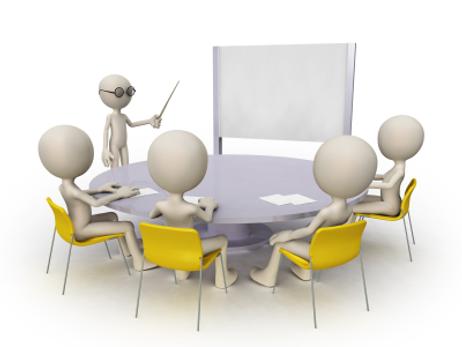
Students sitting in rows of desks listening to a teacher lecture? You will not likely find this scenario in a school that uses Harkness Tables. The brainchild of wealthy industrialist Edward Harkness, an Exeter alumnus, Harkness Tables are oval tables that seat 12-18 students together with their teacher. You cannot hide in the back of a classroom that uses Harkness Tables. That's the point. Engaged students learn. Today, Phillips Exeter Academy continues to use the Harkness approach throughout its classrooms, typically seating 12 students and one teacher around the table.
In ancient times, teaching was collaborative; think Socrates and Quintilian, but somewhere in our Victorian-Edwardian past, we got off the rails and lined children up in regimented rows of chairs and desks. Maria Montessori and Rudolph Steiner rebelled against this sort of regimentation. Their classrooms became what we would now call activity centers. Private School Review's Montessori and Waldorf resources continue to document these alternative educational approaches.
High school lab courses such as chemistry and physics have always been interactive and hands-on. Discussion of findings and research is encouraged in that collaborative environment. Every member of the class has an opinion and a finding. That is the idea behind the Harkness Table. Every member of the class is encouraged to be an active participant. Because eye