

Private School Review Blog

How Much Unstructured Time Does Your Child Have? - Learn why unstructured time matters during a private school day, how recess, lunch, free periods, and transitions affect students, and what parents should evaluate before enrolling. (Updated Oct. 6, 2026)
What Happens When Bullying Continues Outside School? - Learn how private schools may respond when bullying continues through social media, texts, gaming, and off-campus activities, and what parents should document, report, and expect. (Updated Oct. 6, 2026)
How Private Schools Handle Food Allergies - Learn how private schools manage food allergies, from emergency plans and epinephrine access to cafeteria procedures, staff training, field trips, and the questions parents should verify before enrolling their child. (Updated Oct. 6, 2026)

Quick Facts (26-27)

Updated
|
What If You Cannot Visit The School?
Distance and finances may preclude your actually visiting schools. But you have some other options.

Many applicants live at great distances from the schools which they would like to visit. If you live in Asia or Europe, for example, it is not always financially or logistically possible to visit schools in person. What alternatives exist for those situations? Actually several. Off campus, school visits come in a couple of flavors.

Admissions Staff Visits Overseas

Many private schools send their admissions staff overseas to major cities in countries where they have a substantial applicant pool. Ask for details of visits in your area. While you will have to rely on the school's video and web presentations of its school life and activities, at least you will have a live person to whom you can pose questions. If English is not your first language, this meeting with school officials will give you a deadline to meet. After all, you are planning to attend school in a country where English is the instructional language used in most classes. You will be expected to have your interview in English.

This video describes the features of private schools.

Interviews With Local Alumni

Just like many universities and colleges do, private schools also will arrange an interview with an alumnus or alumna who lives in your local area. This is a quite common practice for meeting candidates who live here in the United States. Remember that most schools are looking for qualified candidates who may not have
. . .read more

Preparing for Admissions Tests

Updated
|
Preparing for Admissions Tests
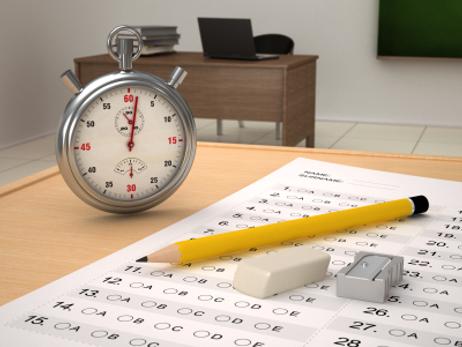
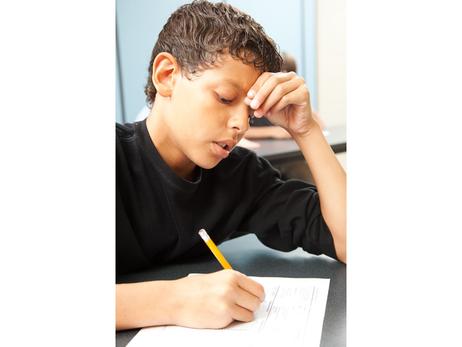
Don't leave admissions test preparation to the last minute. Adequate test preparation will give you the confidence to take the test and do as well as you can.

This article has been updated to reflect 2026 data and recent developments.

Preparing for the SSAT and ISEE, which many private schools use as part of their admissions procedures, requires some advance planning. In 2026, some schools are test-optional or test-flexible, so families should verify each school's current requirements before registering. Private School Review's Admissions 101 provides an overview of testing within the broader admissions process.

You can't cram for these standardized admissions tests. Why? Because you are being tested on your knowledge of subject materials which have been learned over many years. On the other hand, there are certain things you can do to make sure you test as well as you possibly can.

This video offers suggestions for preparing for a standardized test.

1. Be familiar with the test format.

This requires that you actually take several practice tests. Being familiar with a test format means that you will not waste time trying to understand the test instructions. Every minute is precious in a timed test. The Enrollment Management Association offers official SSAT practice materials, including a free Mini-Practice Test and full-length practice tests. Work these in a quiet area where you can focus on how the questions are asked. There is no substitute for practice. The more tests you work, the more you will relax and be confident the day of the actual test.

Private School Review's

. . .read more

Why Do Private Schools Not Have To Teach To The Test?

Updated
|
Why Do Private Schools Not Have To Teach To The Test?
Private schools don't have to teach to the test because they do not accept public funds.

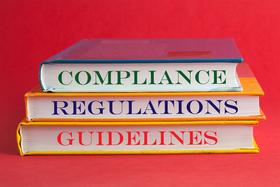
One of the most compelling arguments for private education has to do with the curriculum. Because very few private schools accept public funds, they are not required to comply with federal and state rules and regulations regarding what is taught. In other words, they do not have to teach to the test. George Bush's No Child Left Behind does not apply to private schools.

Private schools use a variety of curricula according to their mission and needs. For example, a Jewish day school will blend Judaic studies with a core curriculum designed to accomplish two things: to raise observant Jews who are well-schooled in their religion as well as producing well-prepared matriculants ready for the rigors of a college education.

A Classical Christian education will emphasize traditional subjects such as rhetoric. It will also infuse every aspect of its teaching with evangelistic fire and purpose. Religion in a Classical Christian school is not an option any more than it is in a Muslim or Jewish or Roman Catholic school. All these schools can take valuable teaching time to accomplish their missionary objectives because they take no state funds. They basically can march to their own pedagogical tune as long as their clientele is satisfied that the school is doing a good job.

This video offers an overview of Rochelle Zell Jewish High School.

What about prep schools?

Religion for most prep

. . .read more

Keeping In Touch With Your Graduates

Updated
|
Keeping In Touch With Your Graduates
You have many ways to keep in touch with your graduates. Each generation of graduates needs a method of communication which suits its expectations.

Keeping in touch with your graduates is not easy these days. In the old days, you sent a chatty snail mail letter to your graduates two or three times a year. It was full of news about marriages, grad school, jobs, and so on. Of course, it always had updates and information about goings-on at school, sports results and a word from your favorite teachers. Those kinds of newsletter mailings to alumni still go out. If you can afford them, your older graduates will most definitely appreciate them. The reality is that each generation of graduates needs a method of communication which suits its expectations.

Printed mailings have been largely supplanted by interactive school web sites where graduates can log on and keep in touch with their classmates whenever and wherever they choose.

Most alumni relations staff realize that their most recent classes don't stay in touch in the same ways their older graduates do. Snail mail and printed materials are fine for the class of '70 and earlier. Even Web portals may only be effective for the classes prior to '00. Our recent grads are a completely different beast.

The classes from 2001 onwards are the text, cellphone, YouTube, Twitter, Tumblr, and the Facebook crowd. They are all about social networking. Put a class reunion on YouTube and the response will be tremendous. When one of your alums creates a group on a social networking site, it will invariably draw other alums. They all love keeping in

. . .read more

Cellphones In The Classroom: Good Or Bad?

Updated
|
Cellphones In The Classroom: Good Or Bad?
Cellphones can be both a useful tool and a distraction. We look at the issue from both points of view.

This article has been updated to reflect 2026 data and recent developments.

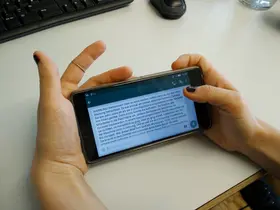
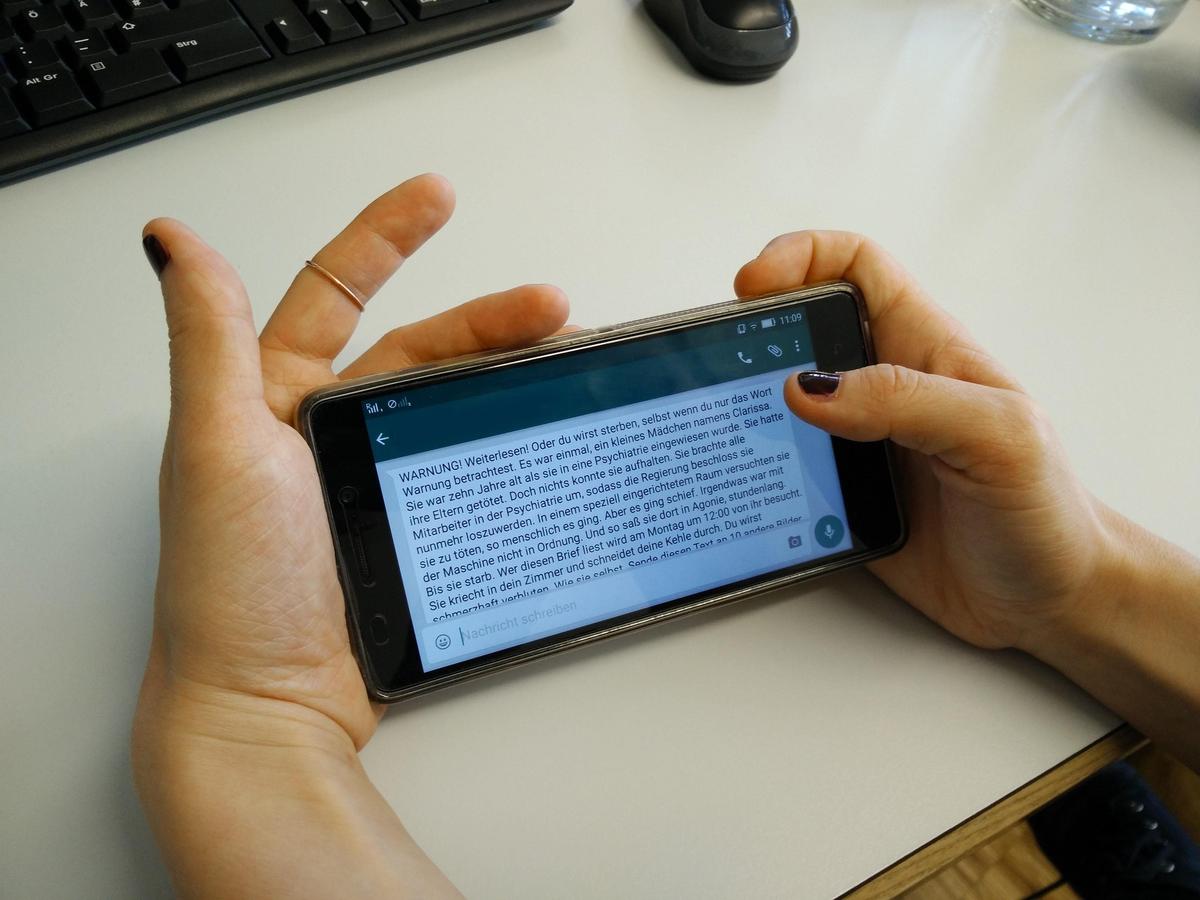
Thirty years ago, cell phones were expensive and underpowered. The only thing you could do with them was dial a number to speak with someone. Cell phones have morphed into high-powered devices called smartphones. They can make calls, text messages, take photos with one or two cameras, play music, and much more. As a result, cell phones, or rather, smartphones, can be both a useful tool and a distraction in school. Cell Phones In The Classroom: Learning Tool or Distraction outlines the issue facing teachers and administrators alike. The big advantage of allowing cell phones in the classroom is that the school doesn't have to build any local infrastructure. In other words, you don't have to wire buildings and set up servers to support students' and administrators' cell phones. The cell phone service provider takes care of all of that. Teachers can routinely deliver information and content via students' smartphones easily and conveniently.

In 2026, schools continue to balance the educational possibilities of smartphones against concerns about distraction. Private School Review's Is a Phone-Free Private School Right for Your Child? examines this issue for families considering private schools.

Endless possibilities for good

40 Simple Ways To Use A Smartphone In The Classroom lists just some of the things you can do with a smartphone in the classroom. As an old teacher, I particularly like that you can use that one device

. . .read more

Recent Articles

How Much Unstructured Time Does Your Child Have?
Learn why unstructured time matters during a private school day, how recess, lunch, free periods, and transitions affect students, and what parents should evaluate before enrolling.
What Happens When Bullying Continues Outside School?
Learn how private schools may respond when bullying continues through social media, texts, gaming, and off-campus activities, and what parents should document, report, and expect.
How Private Schools Handle Food Allergies
Learn how private schools manage food allergies, from emergency plans and epinephrine access to cafeteria procedures, staff training, field trips, and the questions parents should verify before enrolling their child.