

Private School Review Blog

How Much Unstructured Time Does Your Child Have? - Learn why unstructured time matters during a private school day, how recess, lunch, free periods, and transitions affect students, and what parents should evaluate before enrolling. (Updated Oct. 6, 2026)
What Happens When Bullying Continues Outside School? - Learn how private schools may respond when bullying continues through social media, texts, gaming, and off-campus activities, and what parents should document, report, and expect. (Updated Oct. 6, 2026)
How Private Schools Handle Food Allergies - Learn how private schools manage food allergies, from emergency plans and epinephrine access to cafeteria procedures, staff training, field trips, and the questions parents should verify before enrolling their child. (Updated Oct. 6, 2026)

Quick Facts (26-27)

Updated
|
State Associations
Do the schools you are researching belong to state independent school associations? If not, find out why not!

Most private schools belong to state associations. Besides the 'strength in numbers' which benefits them in state and local issues, schools learn from each other through seminars, workshops and conferences. State associations often provide listings of open houses and employment opportunities. Find out whether the schools in which you are interested belong.

Associations of Independent Schools

National Associations

Updated
|
National Associations
As you research schools, check the national and state associations. Is the school you are considering a member? If not, why not?

Most private schools will claim to be a member of several national associations. These links will help you do your own due diligence to confirm that claim. They are also very useful for finding a specific kind of school in your area. Schools which are members of national associations inspire confidence because they are privy to the latest and best in private education.

This short video featuring a prominent private school head of school illustrates the purpose of private school education.

Associations of Private Schools

. . .read more

Do Ranks Matter?

Updated
|
Do Ranks Matter?
How do I know how this school compares with the others I am considering? Has anybody ranked private schools?

You would think that finding out how one private school compares to another would be a no-brainer, right? In a consumer-driven age where we can find out information instantly, it is still very difficult and very tedious to find out how one private school compares to another. In other words, there is no easy answer to the question parents ask most often: “What is the best school in _?”

Why is it so hard to get answers?

For two reasons. First of all, the private schools themselves circle their wagons and will not participate in any survey which tries to rank schools. The private school community refuses to engage in the sort of annual publicity stunt which U.S. News and World Report and other publications put out for colleges and universities every year.

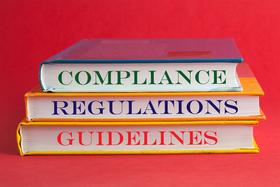
Secondly, private schools don't receive any direct public funding. As a result, they are not subject to the kind of reporting requirements with which public schools must comply. NCLB (No Child Left Behind) does not apply to private schools, only to public schools.

The federal Department of Education does maintain data on private schools. The Private School Universe Survey (PSS) supplies statistical information about K-12 private schools. The PSS does not rank schools. It merely helps you determine how many Montessori schools are located in Montana. It is useful for policymakers and planners who need to know how many students go to private schools as opposed to public schools. It will not help

. . .read more

How to Find a Private School Job

Updated
|
How to Find a Private School Job
Discover the best strategies to find a teaching job in a private school! Learn how to leverage your network, utilize business social media platforms like LinkedIn, and develop essential skills and characteristics sought after by schools.

You can send a resume and use an agency to find a private school job. However, using your network is the best way to find a private school job. You do have a network, don't you?

In truth, the private school job-hunting season never ceases. The main window of opportunity is from December through March. Not much happens on either side of those months unless a school has an unexpected vacancy. This is where your network comes in. Let's say you are considering finding a new position for the next school year. Firm up your decision by the end of October or November so that you can begin your active job search.

The First Steps

Check the job boards in the areas you are thinking about moving to. Register with an agency that specializes in placing private school teachers. They will know about openings. That will get you thinking about the possibilities.

Know why you want to make a move. Are you making a lateral move, i.e., moving to another school to do the same thing you've been doing? Or are you seeking different responsibilities, such as being an administrator? You need to have your goals clearly understood. That will be invaluable during the interview process when the question "Why do you want to leave St. Swithin's and come teach at our school?" is asked.

This brief video offers three tips to advance your career by networking.

. . .read more

Paying for Private School

Updated
|
Paying for Private School
Some people can write a check for a year's tuition and never miss it. The rest of us have to be creative. Here are some options for paying for a private school education.

Some people can write a check for a year's tuition and never miss it. But with private school tuitions running into the $30s for day school and getting close to $50,000 for boarding school, we must be creative.

Here are some options for paying for a private school education.

  • Pay the fees in two installments.
  • Sign up with a tuition payment service and pay monthly installments.
  • Borrow the funds you need.
  • Apply for financial aid.
  • Investigate other funding sources.

Pay the fees in two installments.

Paying the fees in two installments is common in many educational institutions to ease the financial burden on families. This method allows parents or guardians to divide the total tuition cost into two equal or nearly equal parts, generally paid at the beginning of each semester or term. It provides a balanced approach, ensuring that the entire amount isn't due all at once. This can help families budget their finances better without having to worry about paying the whole sum upfront.

Private schools generally render their bills in early summer and late fall for payment within 30 days. These invoices will include one-half of the academic year's tuition charge as well as incidentals. Incidentals include fees for items such as technology, sports, activities, laundry, and so on. Be sure to ask whether the school offers a cash discount.

Sign up with a tuition payment service and pay monthly installments.

Some families prefer to spread out the tuition costs over several months, making monthly payments more manageable. By

. . .read more

Recent Articles

How Much Unstructured Time Does Your Child Have?
Learn why unstructured time matters during a private school day, how recess, lunch, free periods, and transitions affect students, and what parents should evaluate before enrolling.
What Happens When Bullying Continues Outside School?
Learn how private schools may respond when bullying continues through social media, texts, gaming, and off-campus activities, and what parents should document, report, and expect.
How Private Schools Handle Food Allergies
Learn how private schools manage food allergies, from emergency plans and epinephrine access to cafeteria procedures, staff training, field trips, and the questions parents should verify before enrolling their child.