About the School
- In partnership with the Christian home, church, and community; Calvary Christian School System strives to facilitate optimal learning for a diverse student population by providing a nurturing environment that allows students to develop academically, socially, spiritually, and physically in order to produce citizens that will impact the world.
School Facts
Student Body
Total Students
176 students
Student Body Type
Co-ed
% Students of Color
100%
State avg.: 31%
Academic Profile
Total Classroom Teachers
13 teachers
Student-Teacher Ratio
14:1
National avg.: 11:1
Average Class Size
12 students
Classroom Dress Code
Casual
Tuition & Financial Aid
Admission Deadline
None / Rolling
Yearly Tuition Cost
Tuition Notes
Lower School $4500 per year ($450 per month)
Upper School $5500 per year ($550 per month)
Sports
Total Sports Offered
5 sports
Frequently Asked Questions
How much does Calvary Christian School cost?
Calvary Christian School's tuition is approximately $4,500 for private students.
What sports does Calvary Christian School offer?
Calvary Christian School offers 5 interscholastic sports: Basketball, Soccer, Tennis, Track and Field and Volleyball.
When is the application deadline for Calvary Christian School?
The application deadline for Calvary Christian School is rolling (applications are reviewed as they are received year-round).
Related Schools
Show me:
People that viewed Calvary Christian School also viewed these schools: Lighthouse Christian Academy, Norfolk Christian Schools, Greenbrier Christian Academy, St. Pius X School and Ryan Academy Of Norfolk.
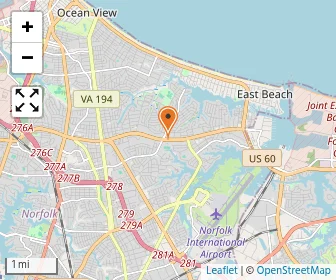
The nearest high school to Calvary Christian School is Lighthouse Christian Academy (2.4 miles away)
The nearest elementary school and preschool is St. Pius X School (0.1 miles away)
Show me:
Show me:
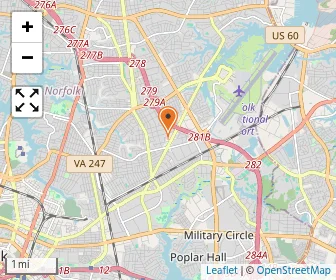
Distance: 2.4 mi
Gr: PK-12 | 49 students
Church of God
5160 A Beamon Rd
Norfolk, VA 23513
(757) 855-3563
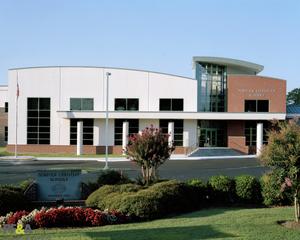
Distance: 3.0 mi
Gr: PK-12 | 764 students
Avg. class size: 16 students
Sports: 15 | Extracurriculars: 8
Christian
255 Thole St
Norfolk, VA 23505
(757) 423-5770
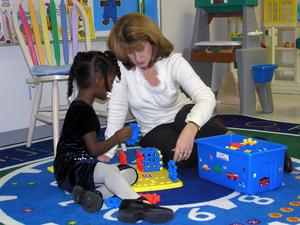
Distance: 12.3 mi
Gr: PK-12 | 557 students
Avg. class size: 16 students
Sports: 13 | Extracurriculars: 4
Christian
311 Kempsville Rd
Chesapeake, VA 23320
(757) 547-9595

Distance: 0.1 mi
Gr: PK-8 | 192 students
Avg. class size: 20 students
Sports: 6 | Extracurriculars: 8
Catholic
7800 Halprin Dr
Norfolk, VA 23518
(757) 588-6171

Distance: 1.7 mi
Gr: K-8 | 76 students
Avg. class size: 12 students
Sports: 3 | Extracurriculars: 3
844 Jerome Avenue
Norfolk, VA 23518
(757) 583-7926
Distance: 2.4 mi
Gr: PK-12 | 49 students
Church of God
5160 A Beamon Rd
Norfolk, VA 23513
(757) 855-3563
Distance: 3.0 mi
Gr: PK-12 | 764 students
Avg. class size: 16 students
Sports: 15 | Extracurriculars: 8
Christian
255 Thole St
Norfolk, VA 23505
(757) 423-5770
Distance: 12.3 mi
Gr: PK-12 | 557 students
Avg. class size: 16 students
Sports: 13 | Extracurriculars: 4
Christian
311 Kempsville Rd
Chesapeake, VA 23320
(757) 547-9595
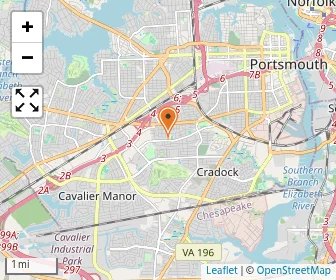
Distance: 9.8 mi
Gr: PK-12 | 608 students
Baptist
3214 Elliott Ave
Portsmouth, VA 23702
(757) 393-0725
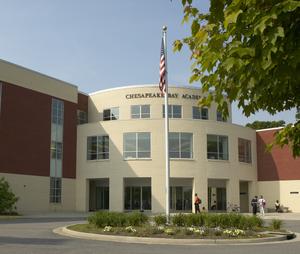
Distance: 4.0 mi
Gr: 1-12 | 120 students
Avg. class size: 10 students
Sports: 5 | Extracurriculars: 8
Special Education School
821 Baker Rd
Virginia Beach, VA 23462
(757) 497-6200
Distance: 2.4 mi
Gr: PK-12 | 49 students
Church of God
5160 A Beamon Rd
Norfolk, VA 23513
(757) 855-3563
Distance: 3.0 mi
Gr: PK-12 | 764 students
Avg. class size: 16 students
Sports: 15 | Extracurriculars: 8
Christian
255 Thole St
Norfolk, VA 23505
(757) 423-5770
Distance: 12.3 mi
Gr: PK-12 | 557 students
Avg. class size: 16 students
Sports: 13 | Extracurriculars: 4
Christian
311 Kempsville Rd
Chesapeake, VA 23320
(757) 547-9595
Distance: 0.1 mi
Gr: PK-8 | 192 students
Avg. class size: 20 students
Sports: 6 | Extracurriculars: 8
Catholic
7800 Halprin Dr
Norfolk, VA 23518
(757) 588-6171
Distance: 1.7 mi
Gr: K-8 | 76 students
Avg. class size: 12 students
Sports: 3 | Extracurriculars: 3
844 Jerome Avenue
Norfolk, VA 23518
(757) 583-7926
Distance: 2.4 mi
Gr: PK-12 | 49 students
Church of God
5160 A Beamon Rd
Norfolk, VA 23513
(757) 855-3563
Distance: 3.0 mi
Gr: PK-12 | 764 students
Avg. class size: 16 students
Sports: 15 | Extracurriculars: 8
Christian
255 Thole St
Norfolk, VA 23505
(757) 423-5770
Distance: 12.3 mi
Gr: PK-12 | 557 students
Avg. class size: 16 students
Sports: 13 | Extracurriculars: 4
Christian
311 Kempsville Rd
Chesapeake, VA 23320
(757) 547-9595
Distance: 0.1 mi
Gr: PK-8 | 192 students
Avg. class size: 20 students
Sports: 6 | Extracurriculars: 8
Catholic
7800 Halprin Dr
Norfolk, VA 23518
(757) 588-6171
Distance: 9.8 mi
Gr: PK-12 | 608 students
Baptist
3214 Elliott Ave
Portsmouth, VA 23702
(757) 393-0725
Distance: 0.1 mi
Gr: PK-8 | 192 students
Avg. class size: 20 students
Sports: 6 | Extracurriculars: 8
Catholic
7800 Halprin Dr
Norfolk, VA 23518
(757) 588-6171
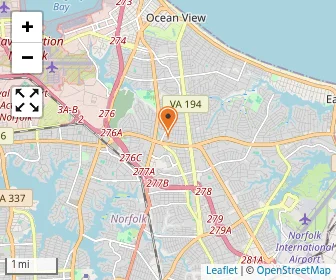
Distance: 1.7 mi
Gr: PK-K | 132 students
Daycare / Preschool
844 Jerome Ave
Norfolk, VA 23518
(757) 583-6389
Distance: 1.7 mi
Gr: K-8 | 76 students
Avg. class size: 12 students
Sports: 3 | Extracurriculars: 3
844 Jerome Avenue
Norfolk, VA 23518
(757) 583-7926
Distance: 2.4 mi
Gr: PK-12 | 49 students
Church of God
5160 A Beamon Rd
Norfolk, VA 23513
(757) 855-3563
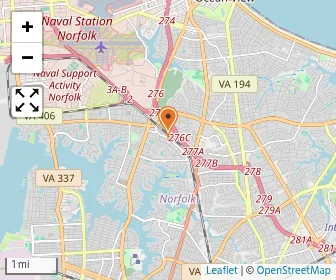
Distance: 2.6 mi
Gr: K | 17 students
Daycare / Preschool
321 Virginian Drive
Norfolk, VA 23505
(757) 583-5989
Distance: 2.4 mi
Gr: PK-12 | 49 students
Church of God
5160 A Beamon Rd
Norfolk, VA 23513
(757) 855-3563
Distance: 3.0 mi
Gr: PK-12 | 764 students
Avg. class size: 16 students
Sports: 15 | Extracurriculars: 8
Christian
255 Thole St
Norfolk, VA 23505
(757) 423-5770

Distance: 3.0 mi
Gr: NS-12 | 203 students
Avg. class size: 18 students
Sports: 1 | Extracurriculars: 8
Christian
9504 Selby Pl
Norfolk, VA 23503
(757) 583-1808
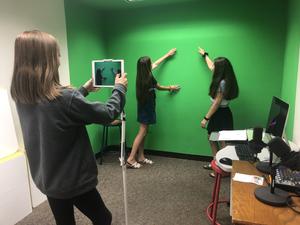
Distance: 3.1 mi
Gr: PK-12 | 589 students
Avg. class size: 12 students
Sports: 17 | Extracurriculars: 31
7336 Granby St
Norfolk, VA 23505
(757) 480-2885
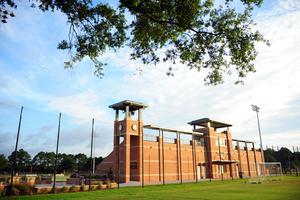
Distance: 3.2 mi
Gr: 1-12 | 1,208 students
Avg. class size: 18 students
Sports: 20 | Extracurriculars: 17
1585 Wesleyan Dr
Norfolk, VA 23502
(757) 455-5582
Distance: 0.1 mi
Gr: PK-8 | 192 students
Avg. class size: 20 students
Sports: 6 | Extracurriculars: 8
Catholic
7800 Halprin Dr
Norfolk, VA 23518
(757) 588-6171
Distance: 1.7 mi
Gr: K-8 | 76 students
Avg. class size: 12 students
Sports: 3 | Extracurriculars: 3
844 Jerome Avenue
Norfolk, VA 23518
(757) 583-7926
Distance: 2.4 mi
Gr: PK-12 | 49 students
Church of God
5160 A Beamon Rd
Norfolk, VA 23513
(757) 855-3563
Distance: 3.0 mi
Gr: PK-12 | 764 students
Avg. class size: 16 students
Sports: 15 | Extracurriculars: 8
Christian
255 Thole St
Norfolk, VA 23505
(757) 423-5770
Distance: 3.0 mi
Gr: NS-12 | 203 students
Avg. class size: 18 students
Sports: 1 | Extracurriculars: 8
Christian
9504 Selby Pl
Norfolk, VA 23503
(757) 583-1808
Distance: 0.1 mi
Gr: PK-8 | 192 students
Avg. class size: 20 students
Sports: 6 | Extracurriculars: 8
Catholic
7800 Halprin Dr
Norfolk, VA 23518
(757) 588-6171
Distance: 1.7 mi
Gr: PK-K | 132 students
Daycare / Preschool
844 Jerome Ave
Norfolk, VA 23518
(757) 583-6389
Distance: 2.4 mi
Gr: PK-12 | 49 students
Church of God
5160 A Beamon Rd
Norfolk, VA 23513
(757) 855-3563
Distance: 2.6 mi
Gr: K | 17 students
Daycare / Preschool
321 Virginian Drive
Norfolk, VA 23505
(757) 583-5989
Distance: 3.0 mi
Gr: PK-12 | 764 students
Avg. class size: 16 students
Sports: 15 | Extracurriculars: 8
Christian
255 Thole St
Norfolk, VA 23505
(757) 423-5770
School
(Math and Reading Proficiency)
(Math and Reading Proficiency)
Location
Miles
Quick Facts
Larrymore Elementary School
(Math: 69% | Reading: 55-59%)
Rank:
Rank:
4/
Bottom 50%10
7600 Halprin Dr
Norfolk, VA 23518
(757) 531-3070
Norfolk, VA 23518
(757) 531-3070
0.3 miles
Gr: PK-5 | 584 students Student-Teacher Ratio: 15:1 Minority enrollment: 77%
Azalea Gardens Middle School
(Math: 46% | Reading: 54%)
Rank:
Rank:
2/
Bottom 50%10
7721 Azalea Garden Rd
Norfolk, VA 23518
(757) 531-3000
Norfolk, VA 23518
(757) 531-3000
0.5 miles
Gr: 6-8 | 792 students Student-Teacher Ratio: 15:1 Minority enrollment: 75%
Little Creek Elementary School
(Math: 46% | Reading: 49%)
Rank:
Rank:
1/
Bottom 50%10
7900 Tarpon Place
Norfolk, VA 23518
(757) 531-3080
Norfolk, VA 23518
(757) 531-3080
0.5 miles
Gr: PK-5 | 583 students Student-Teacher Ratio: 13:1 Minority enrollment: 78%
Tarrallton Elementary School
(Math: 75-79% | Reading: 65-69%)
Rank:
Rank:
6/
Top 50%10
2080 Tarrallton Dr
Norfolk, VA 23518
(757) 531-1800
Norfolk, VA 23518
(757) 531-1800
0.7 miles
Gr: PK-5 | 286 students Student-Teacher Ratio: 13:1 Minority enrollment: 48%
The Academy Of International Studies At Rosemont
Alternative School
1330 Branch Rd.
Norfolk, VA 23513
(757) 852-4610
Norfolk, VA 23513
(757) 852-4610
1.2 miles
Recent Articles

Private School Tuition Insurance: Is It Worth Buying?
Is private school tuition insurance worth buying? Learn what policies cover, compare costs and exclusions, and decide whether protecting your tuition investment makes financial sense for your family.

Medical Leave and Private School Tuition: Parent Guide
What happens to private school tuition during medical leave? Learn about refunds, tuition insurance, enrollment contracts, financial aid, and protecting your child's education while managing unexpected medical expenses and recovery.

Private School Commute: Is the Travel Time Worth It?
Is the commute to private school worth it? Learn how to calculate travel time, protect family routines, assess student well-being, and decide whether a longer journey makes educational sense.