About the School
- Fingerlakes Adventist School in Cortland, NY, serves 18 students from kindergarten through eighth grade in a rural community setting.
- The school operates with one teacher, resulting in a student–teacher ratio of 18:1.
- It is affiliated with the General Conference of the Seventh Day Adventist Church and maintains a Seventh Day Adventist religious orientation.
- Fingerlakes Adventist School offers co–educational elementary and middle school programs within a small–town environment.
- Enrollment size and grade span provide an intimate learning setting for families seeking a rural New York private school.
School Facts
Religious Affiliation
Grades Offered
Grades Kindergarten-8
Students By Grade
Student Body
Total Students
18 students
Student Body Type
Co-ed
Academic Profile
Total Classroom Teachers
1 teacher
Student-Teacher Ratio
18:1
National avg.: 11:1
Tuition & Financial Aid
Admission Deadline
None / Rolling
Frequently Asked Questions
When is the application deadline for Fingerlakes Adventist School?
The application deadline for Fingerlakes Adventist School is rolling (applications are reviewed as they are received year-round).
Nearby Private Schools
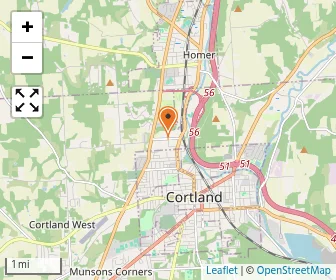
The nearest high school to Fingerlakes Adventist School is Cortland Christian Academy (1.1 miles away)
The nearest elementary school and preschool is St. Mary's School (0.9 miles away)
Show me:
Distance: 0.9 mi
Gr: PK-6 | 176 students
Catholic
61 N Main St
Cortland, NY 13045
(607) 756-5614
Distance: 1.1 mi
Gr: K-12 | 101 students
Baptist
15 West Rd
Cortland, NY 13045
(607) 756-5838
Distance: 5.7 mi
Gr: K-11 | 15 students
Pentecostal
2910 Douglas Rd
Cortland, NY 13045
(607) 756-5770
Distance: 13.0 mi
Gr: PK-12 | 73 students
Avg. class size: 8 students
1768 Dryden Rd
Freeville, NY 13068
(607) 347-4413
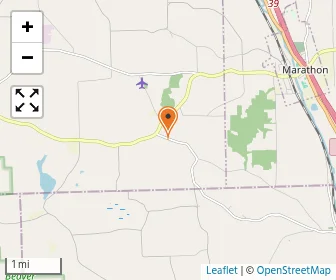
Distance: 14.4 mi
Gr: 1-8 | 25 students
Amish
431 Jennings Creek Rd
Marathon, NY 13803
Distance: 1.1 mi
Gr: K-12 | 101 students
Baptist
15 West Rd
Cortland, NY 13045
(607) 756-5838
Distance: 5.7 mi
Gr: K-11 | 15 students
Pentecostal
2910 Douglas Rd
Cortland, NY 13045
(607) 756-5770
Distance: 13.0 mi
Gr: PK-12 | 73 students
Avg. class size: 8 students
1768 Dryden Rd
Freeville, NY 13068
(607) 347-4413
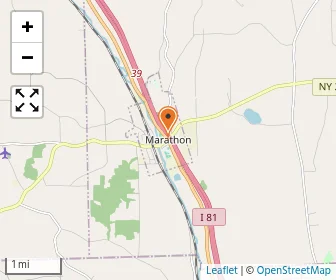
Distance: 14.4 mi
Gr: PK-12 | 32 students
Baptist
5 Park St.
Marathon, NY 13803
(607) 849-3824
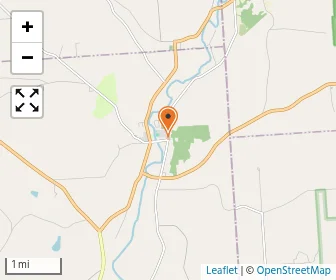
Distance: 15.8 mi
Gr: K-9 | 29 students
Baptist
2809 Cincinnatus Road
Cincinnatus, NY 13040
(607) 863-3200
Distance: 0.9 mi
Gr: PK-6 | 176 students
Catholic
61 N Main St
Cortland, NY 13045
(607) 756-5614
Distance: 1.1 mi
Gr: K-12 | 101 students
Baptist
15 West Rd
Cortland, NY 13045
(607) 756-5838
Distance: 5.7 mi
Gr: K-11 | 15 students
Pentecostal
2910 Douglas Rd
Cortland, NY 13045
(607) 756-5770
Distance: 13.0 mi
Gr: PK-12 | 73 students
Avg. class size: 8 students
1768 Dryden Rd
Freeville, NY 13068
(607) 347-4413
Distance: 14.4 mi
Gr: 1-8 | 25 students
Amish
431 Jennings Creek Rd
Marathon, NY 13803
Distance: 0.9 mi
Gr: PK-6 | 176 students
Catholic
61 N Main St
Cortland, NY 13045
(607) 756-5614
Distance: 13.0 mi
Gr: PK-12 | 73 students
Avg. class size: 8 students
1768 Dryden Rd
Freeville, NY 13068
(607) 347-4413
Distance: 14.4 mi
Gr: PK-12 | 32 students
Baptist
5 Park St.
Marathon, NY 13803
(607) 849-3824
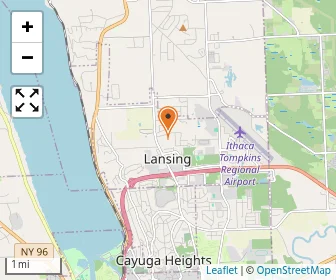
Distance: 17.4 mi
Gr: NS-PK | 103 students
Avg. class size: 21 students
Montessori School
12 Ascot Pl
Ithaca, NY 14850
(607) 266-0788
Distance: 21.4 mi
Gr: PK-8 | 219 students
Avg. class size: 24 students
Montessori School
120 E King Rd
Ithaca, NY 14850
(607) 277-7335
School
(Math and Reading Proficiency)
(Math and Reading Proficiency)
Location
Miles
Quick Facts
Lehman Alternative Community School
(Math: 25-29% | Reading: 60-64%)
Rank:
Rank:
5/
Bottom 50%10
111 Chestnut St
Ithaca, NY 14850
(607) 274-2183
Ithaca, NY 14850
(607) 274-2183
9520.1 miles
Gr: 6-12 | 265 students Student-Teacher Ratio: 9:1 Minority enrollment: 26%
Beverly J Martin Elementary School
(Math: 25-29% | Reading: 15-19%)
Rank:
Rank:
1/
Bottom 50%10
302 W Buffalo St
Ithaca, NY 14850
(607) 274-2209
Ithaca, NY 14850
(607) 274-2209
9520.3 miles
Gr: PK-5 | 258 students Student-Teacher Ratio: 8:1 Minority enrollment: 58%
New Roots Charter School
Charter School
(Reading: 60-79%)
(Math: ≥80% | Reading: 60-79% )
Rank:
(Math: ≥80% | Reading: 60-79% )
Rank:
9/
Top 20%10
116 N Cayuga St
Ithaca, NY 14851
(607) 882-9220
Ithaca, NY 14851
(607) 882-9220
9520.4 miles
Gr: 9-12 | 98 students Student-Teacher Ratio: 7:1 Minority enrollment: 43%
South Hill School
(Math: 50-54% | Reading: 50-54%)
Rank:
Rank:
6/
Top 50%10
520 Hudson St
Ithaca, NY 14850
(607) 274-2129
Ithaca, NY 14850
(607) 274-2129
9520.4 miles
Gr: PK-5 | 363 students Student-Teacher Ratio: 10:1 Minority enrollment: 32%
Fall Creek Elementary School
(Math: 40-44% | Reading: 35-39%)
Rank:
Rank:
4/
Bottom 50%10
202 King St
Ithaca, NY 14850
(607) 274-2214
Ithaca, NY 14850
(607) 274-2214
9520.6 miles
Gr: PK-5 | 217 students Student-Teacher Ratio: 10:1 Minority enrollment: 37%
Recent Articles
When Your Child Struggles in One Private School Subject
Learn what to do when your child struggles in one private school subject, including identifying causes, working with teachers, evaluating support, tutoring, progress, and next steps effectively.

Is Your Child Challenged or Just Given More Work?
Learn how to distinguish meaningful academic rigor from excessive workload by evaluating assignments, feedback, classroom expectations, assessments, and intellectual challenge when comparing private schools for your child.

Private School Extra Help: Evaluating Teacher Access
Learn how to evaluate private school extra-help systems, including teacher availability, scheduling, advising, response times, and access, so your child can receive meaningful academic support when needed most.