About the School
- Greenville Academy in Greenville, AL, is a rural co–ed private school serving preschool through 12th grade with a total enrollment of 212 students.
- The school maintains a student–teacher ratio of 12:1 with 17 teachers on staff, supporting academic programs across all grade levels.
- Greenville Academy is nonsectarian and affiliated with the National Association of Laboratory Schools, providing a regular elementary and secondary curriculum.
- Tuition information is aligned with regional averages, offering an option for families seeking a rural Alabama K–12 private school.
- Greenville Academy is one of several private PK–12 schools in the region, including Fort Dale Academy and Crenshaw Christian Academy nearby in Greenville and Luverne.
School Facts
Religious Affiliation
Grades Offered
Grades Prekindergarten-12
Students By Grade
Student Body
Total Students
212 students
Student Body Type
Co-ed
Academic Profile
Total Classroom Teachers
17 teachers
Student-Teacher Ratio
12:1
National avg.: 11:1
Tuition & Financial Aid
Admission Deadline
None / Rolling
Frequently Asked Questions
When is the application deadline for Greenville Academy?
The application deadline for Greenville Academy is rolling (applications are reviewed as they are received year-round).
Nearby Private Schools
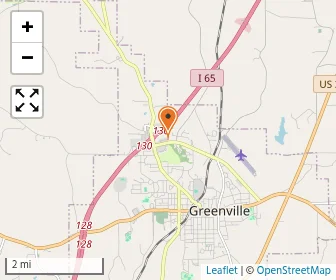
The nearest high school, elementary school and preschool to Greenville Academy is Fort Dale Academy (1.1 miles away)
Show me:
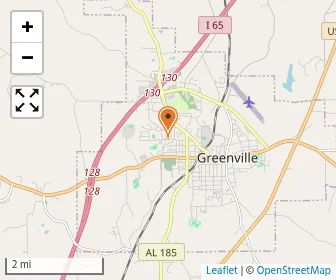
Distance: 1.1 mi
Gr: PK-12 | 489 students
1100 Gamble St
Greenville, AL 36037
(334) 382-2606
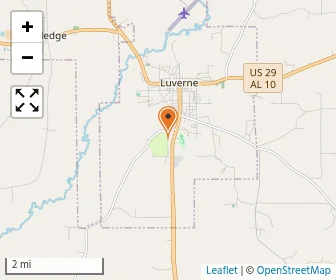
Distance: 24.0 mi
Gr: K-12 | 208 students
Christian
608 Country Club Dr
Luverne, AL 36049
(334) 335-5749
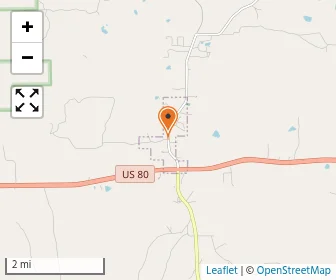
Distance: 29.4 mi
Gr: PK-12 | 267 students
215 S Broad St
Lowndesboro, AL 36752
(334) 278-3366
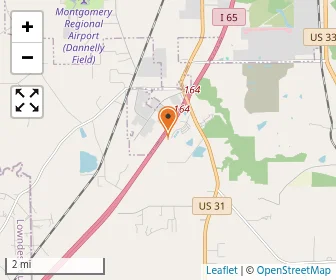
Distance: 32.2 mi
Gr: NS-12 | 302 students
Avg. class size: 13 students
Sports: 12 | Extracurriculars: 7
380 Fischer Rd
Hope Hull, AL 36043
(334) 288-5980
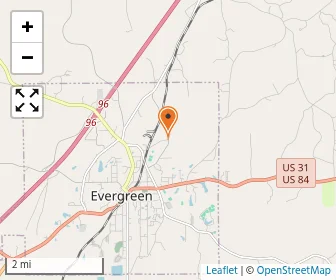
Distance: 33.0 mi
Gr: PK-12 | 256 students
Christian
300 Pierce St
Evergreen, AL 36401
(251) 578-2852
Distance: 1.1 mi
Gr: PK-12 | 489 students
1100 Gamble St
Greenville, AL 36037
(334) 382-2606
Distance: 24.0 mi
Gr: K-12 | 208 students
Christian
608 Country Club Dr
Luverne, AL 36049
(334) 335-5749
Distance: 29.4 mi
Gr: PK-12 | 267 students
215 S Broad St
Lowndesboro, AL 36752
(334) 278-3366
Distance: 32.2 mi
Gr: NS-12 | 302 students
Avg. class size: 13 students
Sports: 12 | Extracurriculars: 7
380 Fischer Rd
Hope Hull, AL 36043
(334) 288-5980
Distance: 33.0 mi
Gr: PK-12 | 256 students
Christian
300 Pierce St
Evergreen, AL 36401
(251) 578-2852
Distance: 1.1 mi
Gr: PK-12 | 489 students
1100 Gamble St
Greenville, AL 36037
(334) 382-2606
Distance: 24.0 mi
Gr: K-12 | 208 students
Christian
608 Country Club Dr
Luverne, AL 36049
(334) 335-5749
Distance: 29.4 mi
Gr: PK-12 | 267 students
215 S Broad St
Lowndesboro, AL 36752
(334) 278-3366
Distance: 32.2 mi
Gr: NS-12 | 302 students
Avg. class size: 13 students
Sports: 12 | Extracurriculars: 7
380 Fischer Rd
Hope Hull, AL 36043
(334) 288-5980
Distance: 33.0 mi
Gr: PK-12 | 256 students
Christian
300 Pierce St
Evergreen, AL 36401
(251) 578-2852
Distance: 1.1 mi
Gr: PK-12 | 489 students
1100 Gamble St
Greenville, AL 36037
(334) 382-2606
Distance: 29.4 mi
Gr: PK-12 | 267 students
215 S Broad St
Lowndesboro, AL 36752
(334) 278-3366
Distance: 32.2 mi
Gr: NS-12 | 302 students
Avg. class size: 13 students
Sports: 12 | Extracurriculars: 7
380 Fischer Rd
Hope Hull, AL 36043
(334) 288-5980
Distance: 33.0 mi
Gr: PK-12 | 256 students
Christian
300 Pierce St
Evergreen, AL 36401
(251) 578-2852
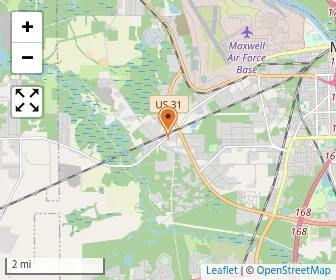
Distance: 37.7 mi
Gr: PK-K | 64 students
Avg. class size: 11 students
Daycare / Preschool
3461 Old Selma Road
Montgomery, AL 36108
(334) 263-9660
School
(Math and Reading Proficiency)
(Math and Reading Proficiency)
Location
Miles
Quick Facts
Greenville Middle School
(Math: 19% | Reading: 37%)
Rank:
Rank:
4/
Bottom 50%10
300 Overlook Rd
Greenville, AL 36037
(334) 382-3450
Greenville, AL 36037
(334) 382-3450
1 miles
Gr: 5-8 | 513 students Student-Teacher Ratio: 19:1 Minority enrollment: 78%
Butler County Area Vocational School
Vocational School
100 Tiger Drive
Greenville, AL 36037
(334) 382-2608
Greenville, AL 36037
(334) 382-2608
1.3 miles
Gr: 10-12
Greenville Elementary School
(Math: 25% | Reading: 45%)
Rank:
Rank:
6/
Top 50%10
102 Butler Cir
Greenville, AL 36037
(334) 382-7614
Greenville, AL 36037
(334) 382-7614
1.3 miles
Gr: 3-4 | 268 students Student-Teacher Ratio: 18:1 Minority enrollment: 77%
100 Butler Circle
Greenville, AL 36037
(334) 382-8720
Greenville, AL 36037
(334) 382-8720
1.4 miles
Gr: PK-2 | 528 students Student-Teacher Ratio: 18:1 Minority enrollment: 79%
Greenville High School
(Math: 10-14% | Reading: 10-14%)
Rank:
Rank:
2/
Bottom 50%10
100 Tiger Dr
Greenville, AL 36037
(334) 382-2608
Greenville, AL 36037
(334) 382-2608
1.7 miles
Gr: 9-12 | 526 students Student-Teacher Ratio: 16:1 Minority enrollment: 83%
Recent Articles

Private School Tuition Insurance: Is It Worth Buying?
Is private school tuition insurance worth buying? Learn what policies cover, compare costs and exclusions, and decide whether protecting your tuition investment makes financial sense for your family.

Medical Leave and Private School Tuition: Parent Guide
What happens to private school tuition during medical leave? Learn about refunds, tuition insurance, enrollment contracts, financial aid, and protecting your child's education while managing unexpected medical expenses and recovery.

Private School Commute: Is the Travel Time Worth It?
Is the commute to private school worth it? Learn how to calculate travel time, protect family routines, assess student well-being, and decide whether a longer journey makes educational sense.