
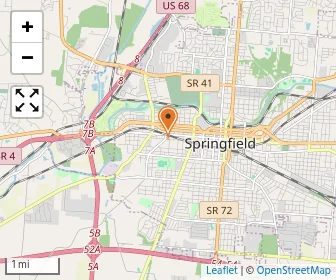
About the School
- Holy Trinity School in Springfield, OH offers co–ed education for grades PK through 8 in a central city setting.
- The school enrolls 146 students with a student–teacher ratio of 16:1 and employs 9 teachers.
- Holy Trinity School is affiliated with the Catholic Church and is a member of the National Catholic Educational Association (NCEA).
- Approximately 11.5% of the student body represents students of color, reflecting local diversity.
- Tuition information aligns with the Springfield average for private elementary schools, which is approximately $8,643.
School Facts
Student Body
Total Students
146 students
Student Body Type
Co-ed
% Students of Color
12%
State avg.: 25%
Academic Profile
Total Classroom Teachers
9 teachers
Student-Teacher Ratio
16:1
National avg.: 11:1
Tuition & Financial Aid
Admission Deadline
None / Rolling
Frequently Asked Questions
When is the application deadline for Holy Trinity School?
The application deadline for Holy Trinity School is rolling (applications are reviewed as they are received year-round).
Nearby Private Schools
The nearest high school to Holy Trinity School is Catholic Central School (1.7 miles away)
The nearest elementary school is Maiden Lane Educare (0.4 miles away)
The nearest preschool is Springfield Christian School (0.6 miles away)
Show me:
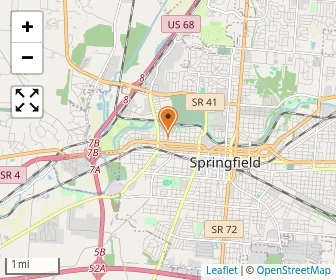
Distance: 0.4 mi
Gr: K-1 | 12 students
Church of God
1201 Maiden Ln
Springfield, OH 45504
(937) 325-6528
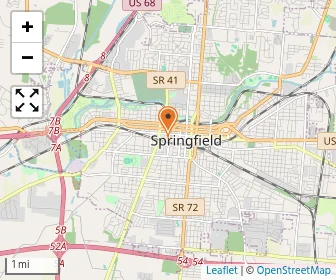
Distance: 0.6 mi
Gr: PK-8 | 108 students
Christian
311 W High St
Springfield, OH 45506
(937) 325-3113

Distance: 1.1 mi
Gr: PK-K | 18 students
Daycare / Preschool (Presbyterian)
201 N Limestone St
Springfield, OH 45503
(937) 325-2427
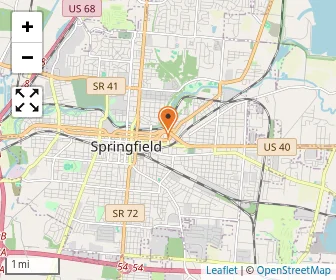
Distance: 1.7 mi
Gr: PK-12 | 457 students
Catholic
800 Lagonda Ave
Springfield, OH 45503
(937) 325-9204
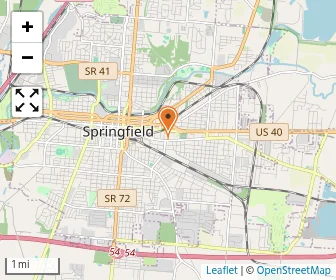
Distance: 1.9 mi
Gr: PK-12 | 150 students
Montessori School
1106 E High St
Springfield, OH 45505
(937) 324-0336
Distance: 1.7 mi
Gr: PK-12 | 457 students
Catholic
800 Lagonda Ave
Springfield, OH 45503
(937) 325-9204
Distance: 1.9 mi
Gr: PK-12 | 150 students
Montessori School
1106 E High St
Springfield, OH 45505
(937) 324-0336
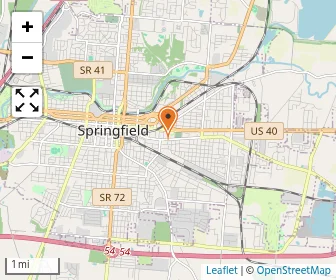
Distance: 2.0 mi
Gr: PK-12 | 593 students
Avg. class size: 22 students
Sports: 14
Catholic
1200 E High St
Springfield, OH 45505
(937) 325-9204
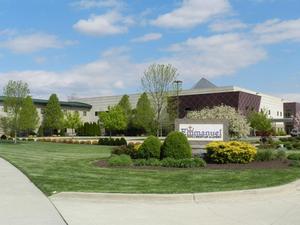
Distance: 4.7 mi
Gr: K-12 | 377 students
Avg. class size: 20 students
Sports: 9 | Extracurriculars: 4
Christian
2177 Emmanuel Way
Springfield, OH 45502
(937) 390-3777
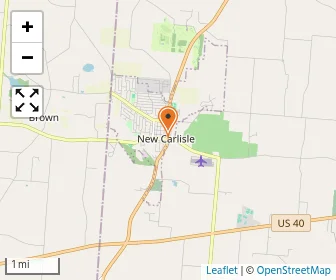
Distance: 10.5 mi
Gr: K-12 | 29 students
Christian
220 S Main St
New Carlisle, OH 45344
(937) 845-3292
Distance: 0.4 mi
Gr: K-1 | 12 students
Church of God
1201 Maiden Ln
Springfield, OH 45504
(937) 325-6528
Distance: 0.6 mi
Gr: PK-8 | 108 students
Christian
311 W High St
Springfield, OH 45506
(937) 325-3113
Distance: 1.7 mi
Gr: PK-12 | 457 students
Catholic
800 Lagonda Ave
Springfield, OH 45503
(937) 325-9204
Distance: 1.9 mi
Gr: PK-12 | 150 students
Montessori School
1106 E High St
Springfield, OH 45505
(937) 324-0336
Distance: 2.0 mi
Gr: PK-12 | 593 students
Avg. class size: 22 students
Sports: 14
Catholic
1200 E High St
Springfield, OH 45505
(937) 325-9204
Distance: 0.6 mi
Gr: PK-8 | 108 students
Christian
311 W High St
Springfield, OH 45506
(937) 325-3113
Distance: 1.1 mi
Gr: PK-K | 18 students
Daycare / Preschool (Presbyterian)
201 N Limestone St
Springfield, OH 45503
(937) 325-2427
Distance: 1.7 mi
Gr: PK-12 | 457 students
Catholic
800 Lagonda Ave
Springfield, OH 45503
(937) 325-9204
Distance: 1.9 mi
Gr: PK-12 | 150 students
Montessori School
1106 E High St
Springfield, OH 45505
(937) 324-0336
Distance: 2.0 mi
Gr: PK-12 | 593 students
Avg. class size: 22 students
Sports: 14
Catholic
1200 E High St
Springfield, OH 45505
(937) 325-9204
School
(Math and Reading Proficiency)
(Math and Reading Proficiency)
Location
Miles
Quick Facts
1500 W Jefferson St
Springfield, OH 45506
(937) 505-4170
Springfield, OH 45506
(937) 505-4170
0.4 miles
Gr: PK | 344 students Student-Teacher Ratio: 13:1 Minority enrollment: 70%
Buckeye Community School - Springfield
Charter School
14 N Yellow Springs St
Springfield, OH 45504
(419) 967-4107
Springfield, OH 45504
(419) 967-4107
0.5 miles
Gr: 9-12 | 184 students Student-Teacher Ratio: 23:1 Minority enrollment: 45%
Fulton Elementary School
(Math: 10% | Reading: 16%)
Rank:
Rank:
1/
Bottom 50%10
631 S Yellow Springs St
Springfield, OH 45506
(937) 505-4150
Springfield, OH 45506
(937) 505-4150
0.6 miles
Gr: K-6 | 444 students Student-Teacher Ratio: 15:1 Minority enrollment: 80%
Snyder Park Elementary School
(Math: 25-29% | Reading: 35-39%)
Rank:
Rank:
3/
Bottom 50%10
1600 Maiden Ln
Springfield, OH 45504
(937) 505-4430
Springfield, OH 45504
(937) 505-4430
0.6 miles
Gr: K-6 | 373 students Student-Teacher Ratio: 14:1 Minority enrollment: 59%
Springfield Sports Academy
Charter School
501 S Wittenberg Ave
Springfield, OH 45506
(937) 660-3172
Springfield, OH 45506
(937) 660-3172
0.8 miles
Gr: K-6 | 110 students Student-Teacher Ratio: 18:1 Minority enrollment: 80%
Recent Articles

Private School Tuition Insurance: Is It Worth Buying?
Is private school tuition insurance worth buying? Learn what policies cover, compare costs and exclusions, and decide whether protecting your tuition investment makes financial sense for your family.

Medical Leave and Private School Tuition: Parent Guide
What happens to private school tuition during medical leave? Learn about refunds, tuition insurance, enrollment contracts, financial aid, and protecting your child's education while managing unexpected medical expenses and recovery.

Private School Commute: Is the Travel Time Worth It?
Is the commute to private school worth it? Learn how to calculate travel time, protect family routines, assess student well-being, and decide whether a longer journey makes educational sense.