About the School
- New Directions Education Program in Colorado Springs, CO, serves 13 students in grades 7 through 12 in a nonsectarian, city–based alternative school setting.
- The school has a student–teacher ratio of 13:1, with one teacher providing instruction across middle and high school grades.
- Fifty percent of enrolled students represent students of color, reflecting a degree of diversity within the small student body.
- As an alternative school, New Directions Education Program operates independently within the Colorado Springs private school landscape.
- Tuition and acceptance rate details specific to this school are not provided, but average private high school tuition in Colorado Springs is $14,791.
School Facts
School Type
Religious Affiliation
Grades Offered
Grades 7-12
Students By Grade
Student Body
Total Students
13 students
Student Body Type
Co-ed
% Students of Color
50%
State avg.: 25%
Academic Profile
Total Classroom Teachers
1 teacher
Student-Teacher Ratio
13:1
National avg.: 11:1
Tuition & Financial Aid
Admission Deadline
None / Rolling
Frequently Asked Questions
When is the application deadline for New Directions Education Program?
The application deadline for New Directions Education Program is rolling (applications are reviewed as they are received year-round).
Nearby Private Schools
The nearest high school to New Directions Education Program is Evangel Christian Academy (2.4 miles away)
The nearest elementary school is Springs Adventist Academy (1.1 miles away)
The nearest preschool is Holy Cross Lutheran Church and School (1.2 miles away)
Show me:
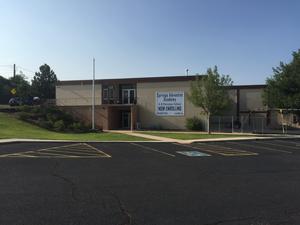
Distance: 1.1 mi
Gr: K-8 | 29 students
Avg. class size: 10 students
Extracurriculars: 2
Seventh Day Adventist
5410 E. Palmer Park Blvd
Colorado Springs, CO 80915
(719) 597-0155
Distance: 1.2 mi
Gr: PK | 45 students
Avg. class size: 9 students
Daycare / Preschool (Lutheran Church Missouri Synod)
4125 Constitution Avenue
Colorado Springs, CO 80909
(719) 596-0661
Distance: 1.7 mi
Gr: PK-K | 36 students
Daycare / Preschool
2385 Academy Place
Colorado Springs, CO 80909
(719) 591-5437
Distance: 2.4 mi
Gr: PK-12 | 272 students
Sports: 4 | Extracurriculars: 2
Presbyterian
4052 Nonchalant Circle S
Colorado Springs, CO 80917
(719) 597-3675
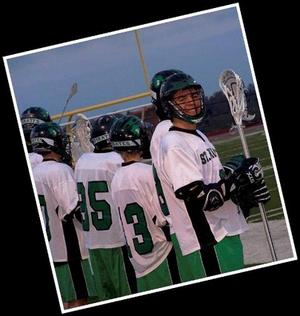
Distance: 2.4 mi
Gr: 9-12
Avg. class size: 11 students
Sports: 14 | Extracurriculars: 11
Catholic
2501 E Yampa St
Colorado Springs, CO 80909
(719) 635-7540
Distance: 2.4 mi
Gr: PK-12 | 272 students
Sports: 4 | Extracurriculars: 2
Presbyterian
4052 Nonchalant Circle S
Colorado Springs, CO 80917
(719) 597-3675
Distance: 2.4 mi
Gr: 9-12
Avg. class size: 11 students
Sports: 14 | Extracurriculars: 11
Catholic
2501 E Yampa St
Colorado Springs, CO 80909
(719) 635-7540
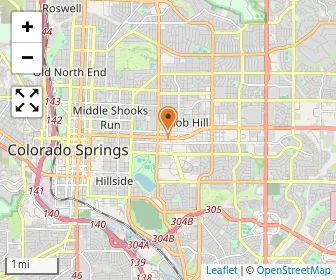
Distance: 2.9 mi
Gr: 4-9 | 4 students
Specialized Curriculum
2011 E Platte Ave
Colorado Springs, CO 80909
(661) 236-6116
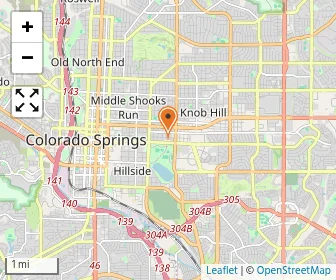
Distance: 3.2 mi
Gr: 3-12 | 41 students
Special Education School
17 Farragut Ave
Colorado Springs, CO 80909
(719) 636-2122
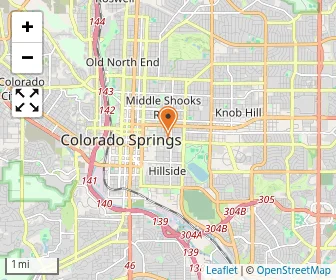
Distance: 3.9 mi
Gr: 9-12 | 60 students
Avg. class size: 10 students
Christian
828 E. Pikes Peak Ave
Colorado Springs, CO 80903
(719) 473-5745
Distance: 1.1 mi
Gr: K-8 | 29 students
Avg. class size: 10 students
Extracurriculars: 2
Seventh Day Adventist
5410 E. Palmer Park Blvd
Colorado Springs, CO 80915
(719) 597-0155
Distance: 2.4 mi
Gr: PK-12 | 272 students
Sports: 4 | Extracurriculars: 2
Presbyterian
4052 Nonchalant Circle S
Colorado Springs, CO 80917
(719) 597-3675
Distance: 2.9 mi
Gr: 4-9 | 4 students
Specialized Curriculum
2011 E Platte Ave
Colorado Springs, CO 80909
(661) 236-6116
Distance: 3.2 mi
Gr: 3-12 | 41 students
Special Education School
17 Farragut Ave
Colorado Springs, CO 80909
(719) 636-2122
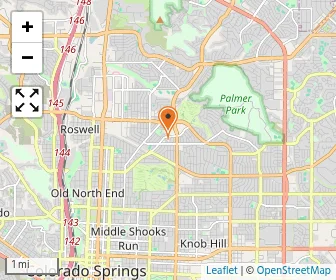
Distance: 3.5 mi
Gr: PK-6 | 140 students
African Methodist Episcopal
2511 N Logan Ave
Colorado Springs, CO 80907
(719) 634-7024
Distance: 1.2 mi
Gr: PK | 45 students
Avg. class size: 9 students
Daycare / Preschool (Lutheran Church Missouri Synod)
4125 Constitution Avenue
Colorado Springs, CO 80909
(719) 596-0661
Distance: 1.7 mi
Gr: PK-K | 36 students
Daycare / Preschool
2385 Academy Place
Colorado Springs, CO 80909
(719) 591-5437
Distance: 2.4 mi
Gr: PK-12 | 272 students
Sports: 4 | Extracurriculars: 2
Presbyterian
4052 Nonchalant Circle S
Colorado Springs, CO 80917
(719) 597-3675
Distance: 2.6 mi
Gr: PK-K | 64 students
Daycare / Preschool
6805 Bismark Rd
Colorado Springs, CO 80922
(719) 380-5684

Distance: 3.2 mi
Gr: NS-K | 6 students
Alternative School
3805 Tutt Blvd
Colorado Springs, CO 80922
(719) 442-1992
School
(Math and Reading Proficiency)
(Math and Reading Proficiency)
Location
Miles
Quick Facts
Henry Elementary School
(Math: 30-34% | Reading: 30-34%)
Rank:
Rank:
5/
Bottom 50%10
1310 Lehmberg Boulevard
Colorado Springs, CO 80915
(719) 328-7200
Colorado Springs, CO 80915
(719) 328-7200
0.5 miles
Gr: PK-5 | 306 students Student-Teacher Ratio: 15:1 Minority enrollment: 65%
Wilson Elementary School
(Math: 10-14% | Reading: 10-14%)
Rank:
Rank:
1/
Bottom 50%10
1409 De Reamer Circle
Colorado Springs, CO 80915
(719) 328-7800
Colorado Springs, CO 80915
(719) 328-7800
0.6 miles
Gr: PK-5 | 295 students Student-Teacher Ratio: 11:1 Minority enrollment: 82%
Mitchell High School
(Math: 6-9% | Reading: 25-29%)
Rank:
Rank:
2/
Bottom 50%10
1205 Potter Drive
Colorado Springs, CO 80909
(719) 328-6600
Colorado Springs, CO 80909
(719) 328-6600
0.7 miles
Gr: 9-12 | 757 students Student-Teacher Ratio: 16:1 Minority enrollment: 77%
Achieve Online
Alternative School
(Math: 6-9% | Reading: 25-29%)
Rank:
Rank:
2/
Bottom 50%10
2115 Afton Way
Colorado Springs, CO 80909
(719) 328-3000
Colorado Springs, CO 80909
(719) 328-3000
1 miles
Gr: 6-12 | 342 students Student-Teacher Ratio: 20:1 Minority enrollment: 48%
Colorado International Language Academy
Charter School
(Math: 40-44% | Reading: 50-54%)
Rank:
Rank:
7/
Top 50%10
303 Austin Bluffs Parkway
Colorado Springs, CO 80907
(719) 645-8063
Colorado Springs, CO 80907
(719) 645-8063
1 miles
Gr: K-5 | 321 students Student-Teacher Ratio: 12:1 Minority enrollment: 65%
Recent Articles

Should Your Child Stay at the Same Private School K–12?
Explore whether your child should attend the same private school from kindergarten through graduation, weighing academic continuity, friendships, changing needs, tuition costs, and opportunities at different educational stages.

When Your Child's Closest Friends Leave Private School
Learn how to support your child when close friends leave private school, manage loneliness, maintain friendships, encourage new connections, recognize emotional challenges, and decide when additional school support is needed.

When Your Child Doesn't Connect With Their Teacher
Discover when parents should intervene if their child struggles to connect with a private school teacher, including warning signs, communication strategies, classroom concerns, and practical steps toward improving relationships.