

About the School
- Oak Hills Christian Preschool in Hesperia, CA, enrolls 27 students in grades PK through K within a rural community setting.
- The school offers a Christian early childhood program with a student–teacher ratio of 27:1 supported by one teacher.
- Oak Hills Christian Preschool's student body includes 33% students of color, reflecting some level of diversity.
- Nearby early learning options in Hesperia include larger programs with lower student–teacher ratios, such as New Life Christian Academy (PK–8) and Hesperia Christian School (PK–12).
School Facts
School Type
Religious Affiliation
Grades Offered
Grades Prekindergarten-Kindergarten
Students By Grade
Student Body
Total Students
27 students
Student Body Type
Co-ed
% Students of Color
33%
State avg.: 52%
Academic Profile
Total Classroom Teachers
1 teacher
Student-Teacher Ratio
27:1
National avg.: 11:1
Tuition & Financial Aid
Admission Deadline
None / Rolling
Frequently Asked Questions
When is the application deadline for Oak Hills Christian Preschool?
The application deadline for Oak Hills Christian Preschool is rolling (applications are reviewed as they are received year-round).
Nearby Private Schools
The nearest high school to Oak Hills Christian Preschool is Hesperia Christian School (5.2 miles away)
The nearest elementary school is New Life Christian Academy (5.1 miles away)
The nearest preschool is Just-4-kids Preschool (3.0 miles away)
Show me:
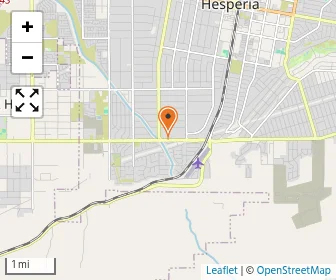
Distance: 3.0 mi
Gr: PK-K | 89 students
Avg. class size: 10 students
Daycare / Preschool
15420 Ranchero Rd
Hesperia, CA 92345
(760) 244-8280
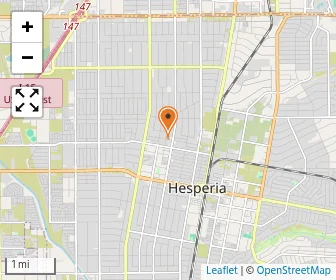
Distance: 5.1 mi
Gr: PK-8 | 103 students
Avg. class size: 15 students
Christian
15975 Hercules
Hesperia, CA 92345
(760) 244-1283
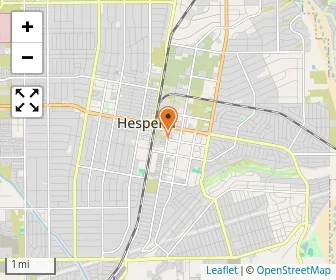
Distance: 5.2 mi
Gr: PK-12 | 681 students
Christian
16775 Olive St
Hesperia, CA 92345
(760) 244-6164
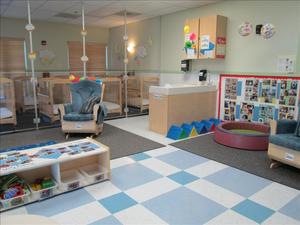
Distance: 5.9 mi
Gr: NS-PK
Daycare / Preschool
13615 Bear Valley Rd
Victorville, CA 92392
(760) 949-8539
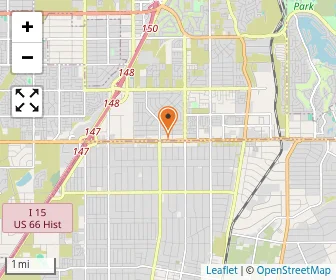
Distance: 6.9 mi
Gr: K | 2 students
Daycare / Preschool
15858 Bear Valley Road
Victorville, CA 92395
(760) 241-2416
Distance: 5.2 mi
Gr: PK-12 | 681 students
Christian
16775 Olive St
Hesperia, CA 92345
(760) 244-6164
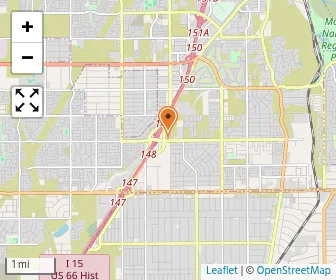
Distance: 7.5 mi
Gr: K-12 | 305 students
Avg. class size: 18 students
Sports: 8 | Extracurriculars: 8
Pentecostal
15260 Nisqualli Rd
Victorville, CA 92395
(760) 241-8827

Distance: 8.2 mi
Gr: K-11 | 34 students
Baptist
12626 First Ave
Victorville, CA 92395
(760) 955-7353
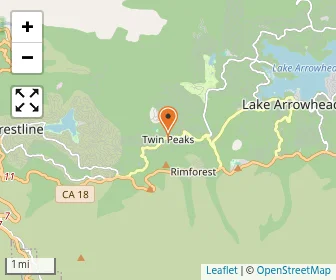
Distance: 13.0 mi
Gr: 1-12 | 47 students
Christian
Po Box 1004
Twin Peaks, CA 92391
(909) 337-7391

Distance: 13.4 mi
Gr: 3-12 | 42 students
Special Education School
17960 Adelanto Rd
Adelanto, CA 92301
(760) 530-6168
Distance: 5.1 mi
Gr: PK-8 | 103 students
Avg. class size: 15 students
Christian
15975 Hercules
Hesperia, CA 92345
(760) 244-1283
Distance: 5.2 mi
Gr: PK-12 | 681 students
Christian
16775 Olive St
Hesperia, CA 92345
(760) 244-6164
Distance: 7.5 mi
Gr: K-12 | 305 students
Avg. class size: 18 students
Sports: 8 | Extracurriculars: 8
Pentecostal
15260 Nisqualli Rd
Victorville, CA 92395
(760) 241-8827
Distance: 8.2 mi
Gr: K-11 | 34 students
Baptist
12626 First Ave
Victorville, CA 92395
(760) 955-7353
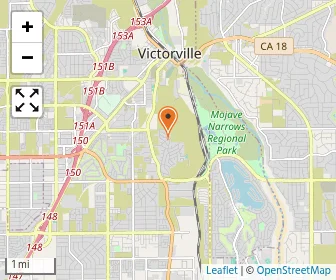
Distance: 10.1 mi
Gr: K-8 | 32 students
Seventh Day Adventist
17137 Crestview Dr
Victorville, CA 92395
(760) 243-4176
Distance: 3.0 mi
Gr: PK-K | 89 students
Avg. class size: 10 students
Daycare / Preschool
15420 Ranchero Rd
Hesperia, CA 92345
(760) 244-8280
Distance: 5.1 mi
Gr: PK-8 | 103 students
Avg. class size: 15 students
Christian
15975 Hercules
Hesperia, CA 92345
(760) 244-1283
Distance: 5.2 mi
Gr: PK-12 | 681 students
Christian
16775 Olive St
Hesperia, CA 92345
(760) 244-6164
Distance: 5.9 mi
Gr: NS-PK
Daycare / Preschool
13615 Bear Valley Rd
Victorville, CA 92392
(760) 949-8539
Distance: 6.9 mi
Gr: K | 2 students
Daycare / Preschool
15858 Bear Valley Road
Victorville, CA 92395
(760) 241-2416
School
(Math and Reading Proficiency)
(Math and Reading Proficiency)
Location
Miles
Quick Facts
Oak Hills High School
(Math: 28% | Reading: 37%)
Rank:
Rank:
5/
Bottom 50%10
7625 Cataba Rd.
Hesperia, CA 92344
(760) 244-2283
Hesperia, CA 92344
(760) 244-2283
0.5 miles
Gr: 9-12 | 2,370 students Student-Teacher Ratio: 22:1 Minority enrollment: 86%
Mesquite Trails Elementary School
(Math: 38% | Reading: 42%)
Rank:
Rank:
6/
Top 50%10
13884 Mesquite St.
Hesperia, CA 92344
(760) 949-3149
Hesperia, CA 92344
(760) 949-3149
1.4 miles
Gr: K-6 | 882 students Student-Teacher Ratio: 26:1 Minority enrollment: 82%
Cedar Middle School
(Math: 12% | Reading: 33%)
Rank:
Rank:
3/
Bottom 50%10
13565 Cedar St.
Hesperia, CA 92344
(760) 244-6093
Hesperia, CA 92344
(760) 244-6093
1.5 miles
Gr: 7-8 | 1,061 students Student-Teacher Ratio: 23:1 Minority enrollment: 85%
Mission Crest Elementary School
(Math: 11% | Reading: 21%)
Rank:
Rank:
1/
Bottom 50%10
13065 Muscatel St.
Hesperia, CA 92344
(760) 949-8265
Hesperia, CA 92344
(760) 949-8265
1.9 miles
Gr: K-6 | 989 students Student-Teacher Ratio: 27:1 Minority enrollment: 90%
Canyon Ridge High School
Alternative School
(Math: ≤5% | Reading: 15-19%)
Rank:
Rank:
1/
Bottom 50%10
12850 Muscatel Ave.
Hesperia, CA 92344
(760) 244-6530
Hesperia, CA 92344
(760) 244-6530
2 miles
Gr: 9-12 | 218 students Student-Teacher Ratio: 18:1 Minority enrollment: 91%
Recent Articles

Private School Tuition Insurance: Is It Worth Buying?
Is private school tuition insurance worth buying? Learn what policies cover, compare costs and exclusions, and decide whether protecting your tuition investment makes financial sense for your family.

Medical Leave and Private School Tuition: Parent Guide
What happens to private school tuition during medical leave? Learn about refunds, tuition insurance, enrollment contracts, financial aid, and protecting your child's education while managing unexpected medical expenses and recovery.

Private School Commute: Is the Travel Time Worth It?
Is the commute to private school worth it? Learn how to calculate travel time, protect family routines, assess student well-being, and decide whether a longer journey makes educational sense.