About the School
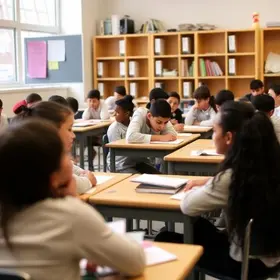
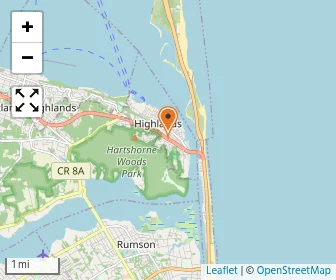
- Our Lady Perpetual Help School in Highlands, NJ, serves 119 students in grades PK through 8 in an urban community.
- The co–educational school operates with a student–teacher ratio of 13:1 supported by 9 teachers.
- Founded with a Catholic religious affiliation, the school is a member of the National Catholic Educational Association (NCEA).
- Total student diversity includes 6% students of color, reflecting the demographic composition of the school community.
- The school offers tuition consistent with Monmouth County private elementary averages and provides education from preschool through middle school.
School Facts
Student Body
Total Students
119 students
Student Body Type
Co-ed
% Students of Color
6%
State avg.: 40%
Academic Profile
Total Classroom Teachers
9 teachers
Student-Teacher Ratio
13:1
National avg.: 11:1
Tuition & Financial Aid
Admission Deadline
None / Rolling
Frequently Asked Questions
When is the application deadline for Our Lady Perpetual Help School?
The application deadline for Our Lady Perpetual Help School is rolling (applications are reviewed as they are received year-round).
Nearby Private Schools
The nearest high school to Our Lady Perpetual Help School is Trinity Hall (3.6 miles away)
The nearest elementary school and preschool is Holy Cross Academy (2.4 miles away)
Show me:
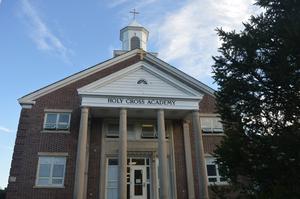
Distance: 2.4 mi
Gr: NS-8 | 327 students
Avg. class size: 15 students
Sports: 9 | Extracurriculars: 11
Catholic
40 Rumson Road
Rumson, NJ 07760
(732) 708-3113
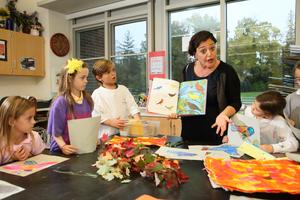
Distance: 2.8 mi
Gr: PK-8 | 378 students
Avg. class size: 14 students
Sports: 12 | Extracurriculars: 3
35 Bellevue Avenue
Rumson, NJ 07760
(732) 842-0527
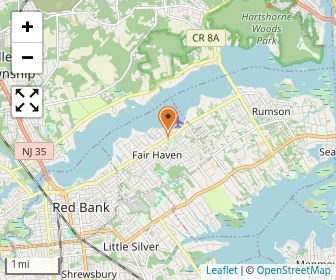
Distance: 3.4 mi
Gr: PK-K | 116 students
Avg. class size: 8 students
Daycare / Preschool
786 River Road
Fair Haven, NJ 07704
(732) 530-3870

Distance: 3.6 mi
Gr: 9-12 | 201 students
All-girls (Catholic)
900 Leonardville Rd
Leonardo, NJ 07737
(732) 291-1297
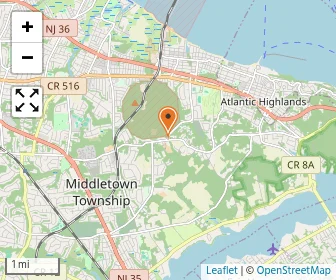
Distance: 4.2 mi
Gr: PK-K | 197 students
Avg. class size: 15 students
Daycare / Preschool
724 Kings Hwy East
Atlantic Highlands, NJ 07716
(732) 291-0056
Distance: 3.6 mi
Gr: 9-12 | 201 students
All-girls (Catholic)
900 Leonardville Rd
Leonardo, NJ 07737
(732) 291-1297
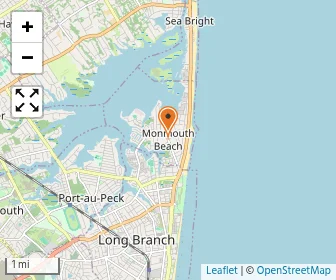
Distance: 4.8 mi
Gr: NS-12 | 35 students
Specialized Curriculum
36 Birch Ave
Little Silver, NJ 07739
(732) 842-0238
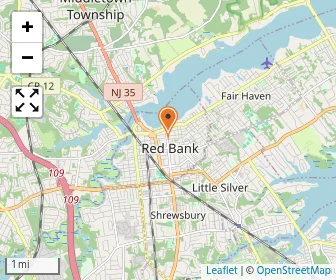
Distance: 5.3 mi
Gr: 9-12 | 915 students
Sports: 19
Catholic
112 Broad Street
Red Bank, NJ 07701
(732) 747-1774
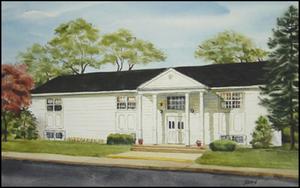
Distance: 6.8 mi
Gr: 8-12 | 28 students
Avg. class size: 7 students
Special Education School
62 Hance Ave
Eatontown, NJ 07724
(732) 747-8746
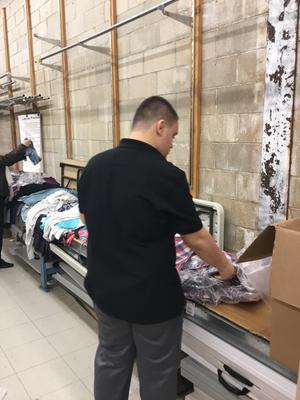
Distance: 7.3 mi
Gr: K-12 | 85 students
Sports: 1
Special Education School
240B Broad St
Eatontown, NJ 07724
(732) 544-9394
Distance: 2.4 mi
Gr: NS-8 | 327 students
Avg. class size: 15 students
Sports: 9 | Extracurriculars: 11
Catholic
40 Rumson Road
Rumson, NJ 07760
(732) 708-3113
Distance: 2.8 mi
Gr: PK-8 | 378 students
Avg. class size: 14 students
Sports: 12 | Extracurriculars: 3
35 Bellevue Avenue
Rumson, NJ 07760
(732) 842-0527
Distance: 4.8 mi
Gr: NS-12 | 35 students
Specialized Curriculum
36 Birch Ave
Little Silver, NJ 07739
(732) 842-0238
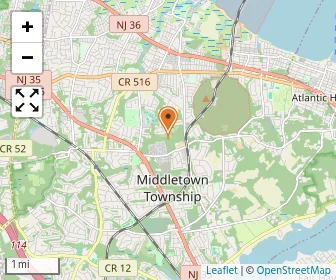
Distance: 5.4 mi
Gr: K-1 | 157 students
Daycare / Preschool (Evangelical Lutheran Church in America (formerly AELC, ALC, or LCA))
250 Harmony Rd
Middletown, NJ 07748
(732) 615-0220
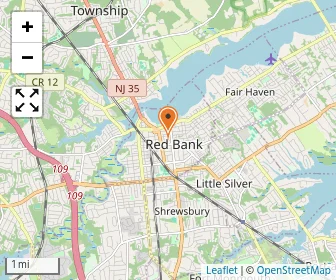
Distance: 5.4 mi
Gr: PK-8 | 510 students
Avg. class size: 19 students
Catholic
30 Peters Pl
Red Bank, NJ 07701
(732) 741-3363
Distance: 2.4 mi
Gr: NS-8 | 327 students
Avg. class size: 15 students
Sports: 9 | Extracurriculars: 11
Catholic
40 Rumson Road
Rumson, NJ 07760
(732) 708-3113
Distance: 2.8 mi
Gr: PK-8 | 378 students
Avg. class size: 14 students
Sports: 12 | Extracurriculars: 3
35 Bellevue Avenue
Rumson, NJ 07760
(732) 842-0527
Distance: 3.4 mi
Gr: PK-K | 116 students
Avg. class size: 8 students
Daycare / Preschool
786 River Road
Fair Haven, NJ 07704
(732) 530-3870
Distance: 4.2 mi
Gr: PK-K | 197 students
Avg. class size: 15 students
Daycare / Preschool
724 Kings Hwy East
Atlantic Highlands, NJ 07716
(732) 291-0056
Distance: 4.8 mi
Gr: NS-12 | 35 students
Specialized Curriculum
36 Birch Ave
Little Silver, NJ 07739
(732) 842-0238
School
(Math and Reading Proficiency)
(Math and Reading Proficiency)
Location
Miles
Quick Facts
1 Grand Tour
Highlands, NJ 07732
(732) 872-0900
Highlands, NJ 07732
(732) 872-0900
0.5 miles
Gr: 7-12 | 278 students Student-Teacher Ratio: 7:1 Minority enrollment: 22%
360 Navesink Avenue, Hwy #36
Highlands, NJ 07732
(732) 872-1476
Highlands, NJ 07732
(732) 872-1476
0.5 miles
Gr: PK-6 | 153 students Student-Teacher Ratio: 9:1 Minority enrollment: 32%
Deane-porter Elementary School
(Math: 85-89% | Reading: 80-84%)
Rank:
Rank:
10/
Top 5%10
50 Blackpoint Road
Rumson, NJ 07760
(732) 842-0330
Rumson, NJ 07760
(732) 842-0330
1.8 miles
Gr: PK-3 | 411 students Student-Teacher Ratio: 11:1 Minority enrollment: 8%
Forrestdale School
(Math: 85% | Reading: 90%)
Rank:
Rank:
10/
Top 5%10
60 Forrest Avenue
Rumson, NJ 07760
(732) 842-0383
Rumson, NJ 07760
(732) 842-0383
2.1 miles
Gr: 4-8 | 498 students Student-Teacher Ratio: 8:1 Minority enrollment: 9%
Navesink Elementary School
(Math: 80-84% | Reading: 85-89%)
Rank:
Rank:
10/
Top 5%10
151 Monmouth Avenue
Atlantic Highlands, NJ 07716
(732) 291-0289
Atlantic Highlands, NJ 07716
(732) 291-0289
2.3 miles
Gr: K-5 | 210 students Student-Teacher Ratio: 10:1 Minority enrollment: 19%
Recent Articles

Private School Tuition Insurance: Is It Worth Buying?
Is private school tuition insurance worth buying? Learn what policies cover, compare costs and exclusions, and decide whether protecting your tuition investment makes financial sense for your family.

Medical Leave and Private School Tuition: Parent Guide
What happens to private school tuition during medical leave? Learn about refunds, tuition insurance, enrollment contracts, financial aid, and protecting your child's education while managing unexpected medical expenses and recovery.

Private School Commute: Is the Travel Time Worth It?
Is the commute to private school worth it? Learn how to calculate travel time, protect family routines, assess student well-being, and decide whether a longer journey makes educational sense.