About the School
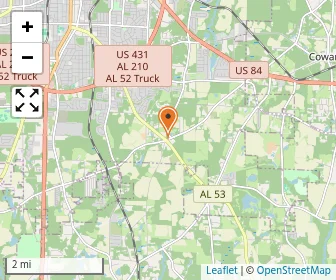
- Playbig Learning Center Marianna in Marianna, FL, serves 12 students from kindergarten through 7th grade in a rural, nonsectarian special education program.
- The school maintains a student–teacher ratio of 4:1 with 3 teachers providing instruction.
- The student population includes 16.67% students of color, reflecting some diversity within the small enrollment.
- Playbig Learning Center Marianna offers co–ed education in a rural community setting focused on K–7 grade levels.
- This special education school is one of several nearby private schools within 20 miles, including Dayspring Christian Academy and Victory Christian Academy.
School Facts
School Type
Religious Affiliation
Grades Offered
Grades Kindergarten-7
Students By Grade
Student Body
Total Students
12 students
Student Body Type
Co-ed
% Students of Color
17%
State avg.: 48%
Academics & Faculty
Total Classroom Teachers
3 teachers
Student-Teacher Ratio
4:1
National avg.: 11:1
Tuition & Acceptance Rate
Admission Deadline
None / Rolling
Frequently Asked Questions
When is the application deadline for Playbig Learning Center Marianna?
The application deadline for Playbig Learning Center Marianna is rolling (applications are reviewed as they are received year-round).
Nearby Private Schools
The nearest high school, elementary school and preschool to Playbig Learning Center Marianna is Dayspring Christian Academy (1.7 miles away)
Show me:
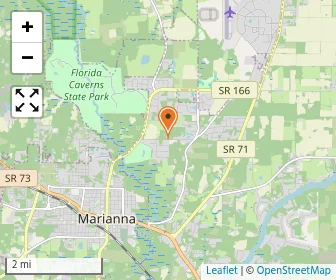
Distance: 1.7 mi
Gr: PK-12 | 256 students
Christian
4685 Meadowview Rd
Marianna, FL 32446
(850) 526-4919
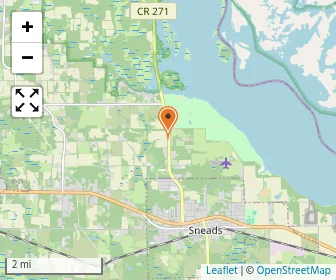
Distance: 16.9 mi
Gr: PK-11 | 36 students
Christian
2271 River Rd
Sneads, FL 32460
(850) 593-6699
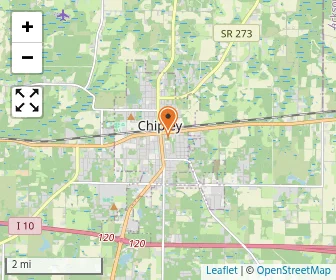
Distance: 18.9 mi
Gr: Inquire with school | 9 students
Special Education School
739 7th St
Chipley, FL 32428
(850) 542-2017
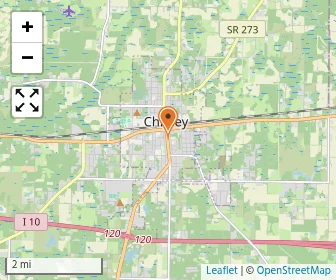
Distance: 19.0 mi
Gr: PK-12 | 175 students
Christian
929 Main St
Chipley, FL 32428
(850) 638-3700
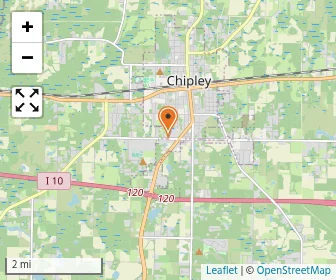
Distance: 19.5 mi
Gr: PK-12 | 180 students
Christian
1405 Brickyard Rd
Chipley, FL 32428
(850) 638-9227
Distance: 1.7 mi
Gr: PK-12 | 256 students
Christian
4685 Meadowview Rd
Marianna, FL 32446
(850) 526-4919
Distance: 16.9 mi
Gr: PK-11 | 36 students
Christian
2271 River Rd
Sneads, FL 32460
(850) 593-6699
Distance: 19.0 mi
Gr: PK-12 | 175 students
Christian
929 Main St
Chipley, FL 32428
(850) 638-3700
Distance: 19.5 mi
Gr: PK-12 | 180 students
Christian
1405 Brickyard Rd
Chipley, FL 32428
(850) 638-9227
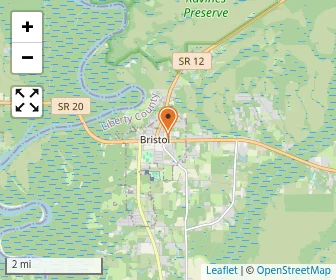
Distance: 27.8 mi
Gr: K-11 | 17 students
Special Education School
13036 Nw Freeman Rd
Bristol, FL 32321
(850) 601-5075
Distance: 1.7 mi
Gr: PK-12 | 256 students
Christian
4685 Meadowview Rd
Marianna, FL 32446
(850) 526-4919
Distance: 16.9 mi
Gr: PK-11 | 36 students
Christian
2271 River Rd
Sneads, FL 32460
(850) 593-6699
Distance: 19.0 mi
Gr: PK-12 | 175 students
Christian
929 Main St
Chipley, FL 32428
(850) 638-3700
Distance: 19.5 mi
Gr: PK-12 | 180 students
Christian
1405 Brickyard Rd
Chipley, FL 32428
(850) 638-9227
Distance: 27.8 mi
Gr: K-11 | 17 students
Special Education School
13036 Nw Freeman Rd
Bristol, FL 32321
(850) 601-5075
Distance: 1.7 mi
Gr: PK-12 | 256 students
Christian
4685 Meadowview Rd
Marianna, FL 32446
(850) 526-4919
Distance: 16.9 mi
Gr: PK-11 | 36 students
Christian
2271 River Rd
Sneads, FL 32460
(850) 593-6699
Distance: 19.0 mi
Gr: PK-12 | 175 students
Christian
929 Main St
Chipley, FL 32428
(850) 638-3700
Distance: 19.5 mi
Gr: PK-12 | 180 students
Christian
1405 Brickyard Rd
Chipley, FL 32428
(850) 638-9227
Distance: 28.9 mi
Gr: PK-10 | 97 students
Baptist
3257 E Cottonwood Rd
Dothan, AL 36301
(334) 671-1567
School
(Math and Reading Proficiency)
(Math and Reading Proficiency)
Location
Miles
Quick Facts
753 West Blvd
Chipley, FL 32428
(850) 638-6222
Chipley, FL 32428
(850) 638-6222
8473.5 miles
Gr: K-12 | 17 students Minority enrollment: 35%
Kate M. Smith Elementary School
(Math: 58% | Reading: 59%)
Rank:
Rank:
7/
Top 50%10
1447 South Blvd
Chipley, FL 32428
(850) 638-6220
Chipley, FL 32428
(850) 638-6220
8473.6 miles
Gr: K-5 | 933 students Student-Teacher Ratio: 15:1 Minority enrollment: 32%
Washington Institute For Specialized Education
Alternative School
(Math: ≤20% | Reading: ≤20% )
Rank:
Rank:
1/
Bottom 50%10
680 2nd St
Chipley, FL 32428
(850) 638-6020
Chipley, FL 32428
(850) 638-6020
8473.7 miles
Gr: 6-12
Washington Virtual Instruction Program
(Math: ≥50%)
(Math: <50% | Reading: <50% )
Rank:
(Math: <50% | Reading: <50% )
Rank:
5/
Bottom 50%10
652 3rd St
Chipley, FL 32428
(850) 638-6222
Chipley, FL 32428
(850) 638-6222
8473.8 miles
Gr: K-12 | 7 students
Graceville School
(Math: 38% | Reading: 43%)
Rank:
Rank:
4/
Bottom 50%10
5539 Brown St
Graceville, FL 32440
(850) 263-4451
Graceville, FL 32440
(850) 263-4451
8475.4 miles
Gr: PK-12 | 400 students Student-Teacher Ratio: 13:1 Minority enrollment: 68%
Recent Articles
How Much Homework Is Too Much?
Learn how to compare private school homework expectations, recognize excessive workloads, evaluate assignment quality, and ask better questions about academic balance before choosing a school for your child.
Learning Support Without a Formal Program
Learn what private schools mean by informal learning support, how services differ from formal programs, and which questions families should ask before choosing the right school today.
Beyond AP vs. IB: How to Judge Academic Rigor
Learn how to judge academic rigor at private schools without AP or IB by examining curriculum depth, assessments, faculty expectations, advanced coursework, student work, and college preparation outcomes.