
About the School
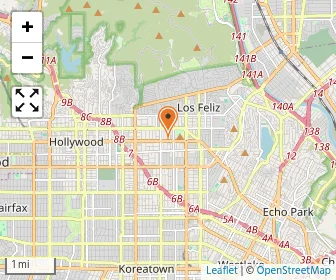
- Progressive Student Learning Academy in Los Angeles, CA, serves 12 students in grades 2 through 8 within a city community setting.
- The school offers a co–ed, nonsectarian educational program with a student–teacher ratio of 6:1 supported by two teachers.
- Enrollment reflects racial diversity, with 90% of students identified as students of color, representing the local Los Angeles population.
- As a member of the Evangelical Lutheran Education Association (ELEA), the academy provides a nonsectarian private school option for California K–8 families.
School Facts
Grades Offered
Grades 2-8
Students By Grade
Student Body
Total Students
12 students
Student Body Type
Co-ed
% Students of Color
90%
State avg.: 52%
Academic Profile
Total Classroom Teachers
2 teachers
Student-Teacher Ratio
6:1
National avg.: 11:1
Tuition & Financial Aid
Admission Deadline
None / Rolling
Frequently Asked Questions
When is the application deadline for Progressive Student Learning Academy?
The application deadline for Progressive Student Learning Academy is rolling (applications are reviewed as they are received year-round).
Related Schools
Show me:
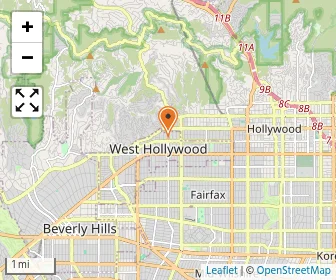
People that viewed Progressive Student Learning Academy also viewed these schools: West Hollywood College Preparatory School.
The nearest high school, elementary school and preschool to Progressive Student Learning Academy is Rose & Alex Pilibos Armenian School (0.1 miles away)
Show me:
Show me:
Distance: 3.9 mi
Gr: PK-12 | 78 students
Avg. class size: 6 students
1317 N Crescent Heights Blvd
Los Angeles, CA 90046
(323) 822-7900
Distance: 3.9 mi
Gr: PK-12 | 78 students
Avg. class size: 6 students
1317 N Crescent Heights Blvd
Los Angeles, CA 90046
(323) 822-7900
Distance: 3.9 mi
Gr: PK-12 | 78 students
Avg. class size: 6 students
1317 N Crescent Heights Blvd
Los Angeles, CA 90046
(323) 822-7900
Distance: 3.9 mi
Gr: PK-12 | 78 students
Avg. class size: 6 students
1317 N Crescent Heights Blvd
Los Angeles, CA 90046
(323) 822-7900
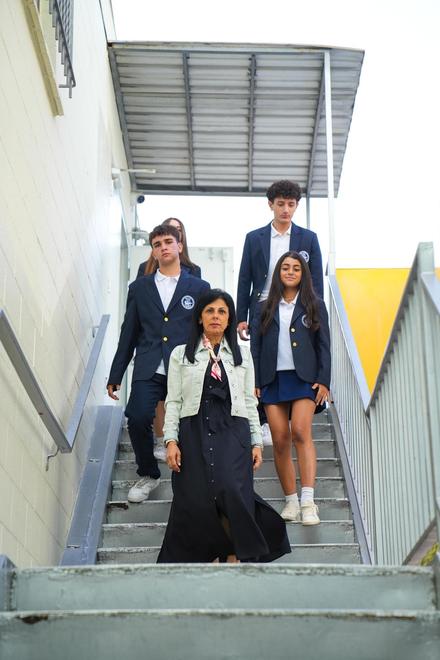
Distance: 0.1 mi
Gr: PK-12 | 873 students
Avg. class size: 18 students
Christian
1615 N Alexandria Ave
Los Angeles, CA 90027
(323) 668-2661

Distance: 0.3 mi
Gr: K | 24 students
Montessori School
1725 N Mariposa Ave
Los Angeles, CA 90027
(323) 660-9934
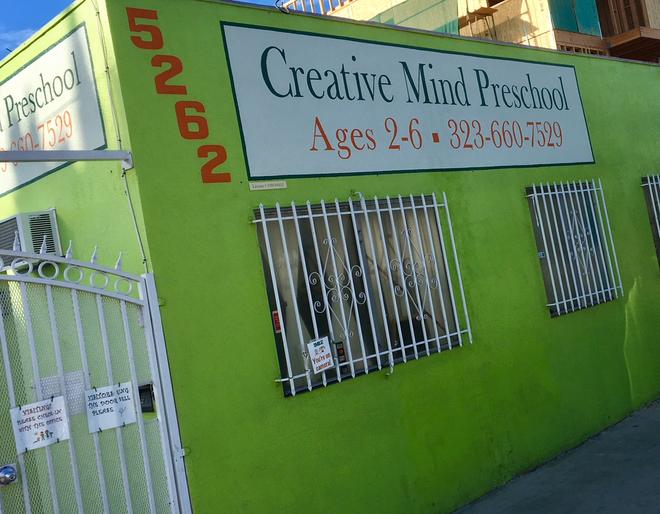
Distance: 0.4 mi
Gr: PK-K | 37 students
Avg. class size: 11 students
Sports: 1
Daycare / Preschool
5262 Fountain Ave
Los Angeles, CA 90029
(323) 660-7529
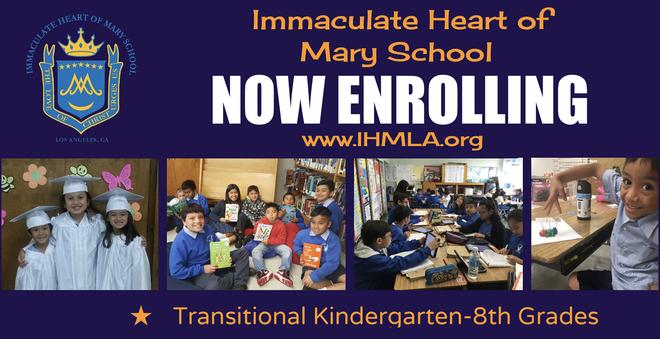
Distance: 0.6 mi
Gr: PK-8 | 169 students
Avg. class size: 20 students
Sports: 2 | Extracurriculars: 5
Catholic
1055 N Alexandria Ave
Los Angeles, CA 90029
(323) 663-4611

Distance: 0.8 mi
Gr: NS | 268 students
Daycare / Preschool
826 Cole Avenue
Los Angeles, CA 90028
(323) 469-1973
Distance: 0.1 mi
Gr: PK-12 | 873 students
Avg. class size: 18 students
Christian
1615 N Alexandria Ave
Los Angeles, CA 90027
(323) 668-2661
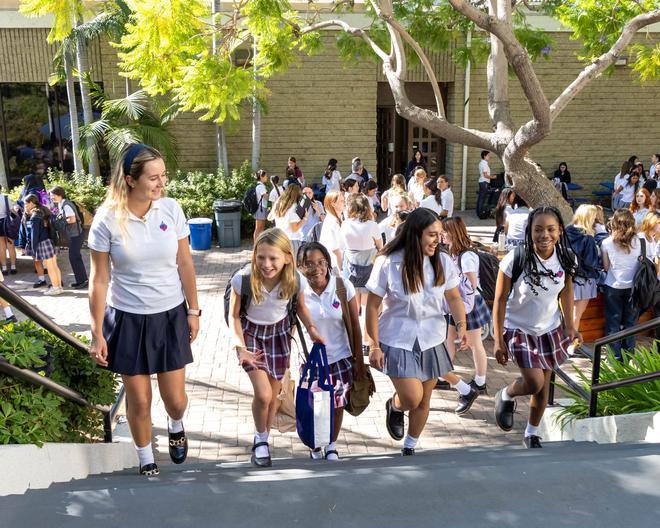
Distance: 0.8 mi
Gr: 6-12 | 612 students
Avg. class size: 16 students
Sports: 14
All-girls (Catholic)
5515 Franklin Ave
Los Angeles, CA 90028
(323) 461-3651

Distance: 1.8 mi
Gr: 6-12 | 195 students
Episcopal
6325 Santa Monica Blvd
Los Angeles, CA 90038
(323) 462-3752

Distance: 2.0 mi
Gr: 9-12 | 80 students
2701-2703 Beverly Blvd
Los Angeles, CA 90057
(213) 388-3650

Distance: 2.0 mi
Gr: 8-12 | 10 students
Po Box 741399
Los Angeles, CA 90004
(661) 268-1973
Distance: 0.1 mi
Gr: PK-12 | 873 students
Avg. class size: 18 students
Christian
1615 N Alexandria Ave
Los Angeles, CA 90027
(323) 668-2661
Distance: 0.6 mi
Gr: PK-8 | 169 students
Avg. class size: 20 students
Sports: 2 | Extracurriculars: 5
Catholic
1055 N Alexandria Ave
Los Angeles, CA 90029
(323) 663-4611
Distance: 0.8 mi
Gr: 6-12 | 612 students
Avg. class size: 16 students
Sports: 14
All-girls (Catholic)
5515 Franklin Ave
Los Angeles, CA 90028
(323) 461-3651
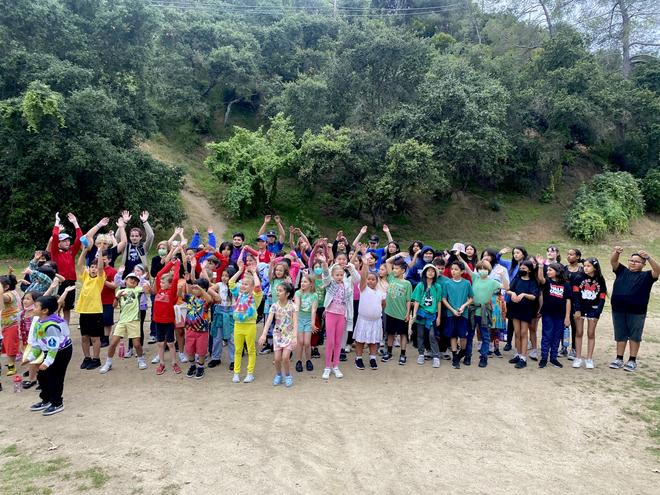
Distance: 0.9 mi
Gr: PK-8 | 76 students
Avg. class size: 9 students
Sports: 5 | Extracurriculars: 4
Catholic
4622 Ambrose Ave
Los Angeles, CA 90027
(323) 664-2131
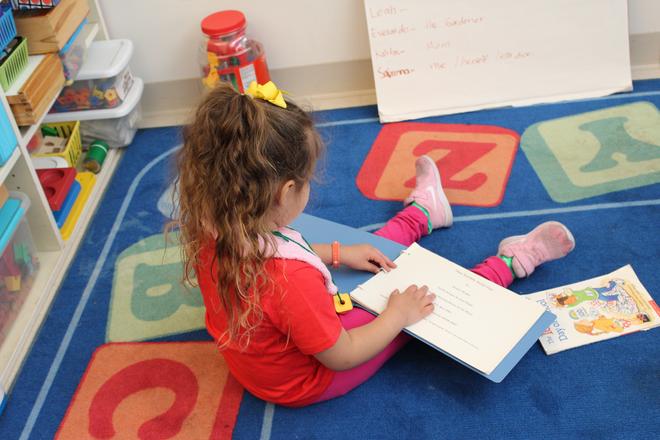
Distance: 1.1 mi
Gr: PK-1 | 60 students
Avg. class size: 7 students
Daycare / Preschool
4120 Marathon St
Los Angeles, CA 90029
(323) 664-2153
Distance: 0.1 mi
Gr: PK-12 | 873 students
Avg. class size: 18 students
Christian
1615 N Alexandria Ave
Los Angeles, CA 90027
(323) 668-2661
Distance: 0.3 mi
Gr: K | 24 students
Montessori School
1725 N Mariposa Ave
Los Angeles, CA 90027
(323) 660-9934
Distance: 0.4 mi
Gr: PK-K | 37 students
Avg. class size: 11 students
Sports: 1
Daycare / Preschool
5262 Fountain Ave
Los Angeles, CA 90029
(323) 660-7529
Distance: 0.6 mi
Gr: PK-8 | 169 students
Avg. class size: 20 students
Sports: 2 | Extracurriculars: 5
Catholic
1055 N Alexandria Ave
Los Angeles, CA 90029
(323) 663-4611
Distance: 0.8 mi
Gr: NS | 268 students
Daycare / Preschool
826 Cole Avenue
Los Angeles, CA 90028
(323) 469-1973
School
(Math and Reading Proficiency)
Location
Miles
Quick Facts
Los Feliz Science/tech/engineer/math/medicine Magnet
Magnet School
(Math: 46% | Reading: 50%)
Rank:
Rank:
7/
Top 50%10
1740 North New Hampshire Ave.
Los Angeles, CA 90027
(323) 663-0674
0.4 miles
Gr: K-5 | 428 students Student-Teacher Ratio: 23:1 Minority enrollment: 68%
Kingsley Elementary School
(Math: 25-29% | Reading: 30-34%)
Rank:
Rank:
5/
Bottom 50%10
5200 West Virginia Ave.
Los Angeles, CA 90029
(323) 644-7700
0.5 miles
Gr: K-5 | 288 students Student-Teacher Ratio: 19:1 Minority enrollment: 92%
Ramona Elementary School
(Math: 20-24% | Reading: 25%)
Rank:
Rank:
3/
Bottom 50%10
1133 North Mariposa Ave.
Los Angeles, CA 90029
(323) 663-2158
0.5 miles
Gr: K-5 | 277 students Student-Teacher Ratio: 18:1 Minority enrollment: 97%
4564 West Lexington Ave.
Los Angeles, CA 90029
(323) 644-2884
0.7 miles
Gr: K-2 | 113 students Student-Teacher Ratio: 16:1 Minority enrollment: 96%
Franklin Avenue Elementary School
(Math: 65-69% | Reading: 70-74%)
Rank:
Rank:
10/
Top 10%10
1910 North Commonwealth Ave.
Los Angeles, CA 90027
(323) 663-0320
0.9 miles
Gr: K-5 | 387 students Student-Teacher Ratio: 24:1 Minority enrollment: 57%
Recent Articles

Changing Academic Tracks at Private School
Discover how your child can change academic tracks at private school without falling behind, including course prerequisites, transition planning, graduation requirements, academic support, transcript implications, and future college admission considerations.

When Private Schools Cannot Offer Advanced Subjects
Discover what parents can do when private schools cannot offer advanced subjects, including alternative courses, independent study, college partnerships, graduation requirements, and strategies for maintaining academic progress and future opportunities.

Child Refuses Private School Activities
Learn why children refuse private school group activities, how schools respond, when participation becomes mandatory, and practical ways parents can address anxiety, resistance, social difficulties, and student confidence effectively.