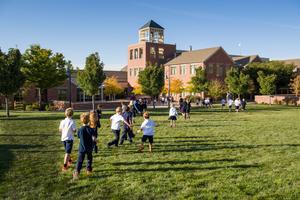
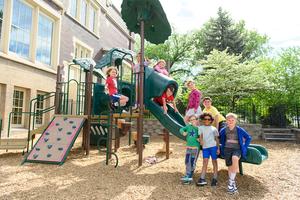
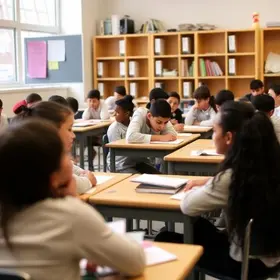
Rowland Hall is a co–ed, nonsectarian private school in Salt Lake City, UT, serving grades PK through 12 with a total enrollment of 981 students.
Founded in 1867, the school operates in a midsize city setting near the University neighborhood.
The student–teacher ratio of 12:1, supported by 82 faculty members across all grade levels.
Rowland Hall offers 26 Advanced Placement (AP) courses, providing a range of college–level academic opportunities.
The student population includes 23.62% students of color, reflecting diversity within the school community.
Quick Facts (2026)
- Top-Ranked UT School
- Grades: Prekindergarten-12
- Enrollment: 981 students
- Application Deadline: None / Rolling
- Source: National Center for Education Statistics (NCES)

Top Rankings
Rowland Hall ranks among the top 20% of private schools in Utah for:
Category
Attribute
Student Body
AP Courses
School History
School Overview
School Membership(s)School Assoc.
Religious Affiliation
Grades Offered
Grades Prekindergarten-12
Year Founded
1867
School Calendar
Student Body
Total Students
981 students
Student Body Type
Co-ed
% Students of Color
24%
State avg.: 27%
Students by Grade
Academics and Faculty
Total Classroom Teachers
82 teachers
Student-Teacher Ratio
12:1
National avg.: 11:1
Number of AP/Advanced Courses
26 courses
Tuition and Acceptance Rate
School Notes
- School Mascot: Winged Lions
Source: National Center for Education Statistics (NCES)
Frequently Asked Questions
What is Rowland Hall's ranking?
Rowland Hall ranks among the top 20% of private schools in Utah for: Largest student body, Most AP courses offered and Oldest founding date.
When is the application deadline for Rowland Hall?
The application deadline for Rowland Hall is rolling (applications are reviewed as they are received year-round).
In what neighborhood is Rowland Hall located?
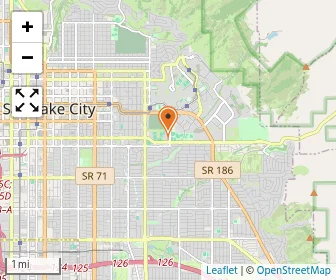
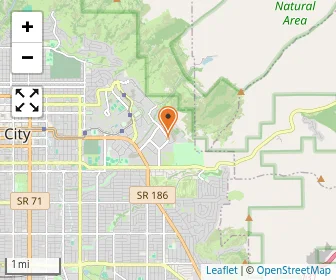
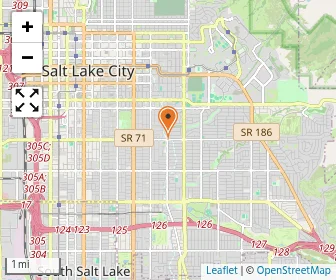
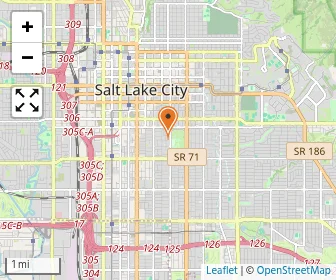
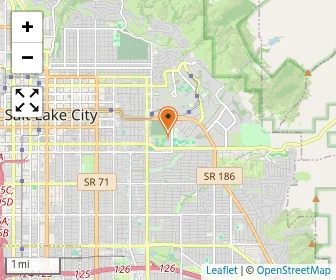
Rowland Hall is located in the University neighborhood of Salt Lake City, UT. There are 1 other private schools located in University.
School Reviews
Endorse Rowland Hall. Endorsements should be a few sentences in length. Please include any comments on:
- Quality of academic programs, teachers, and facilities
- Availability of music, art, sports and other extracurricular activities
- Academic or athletic awards
Recent Articles
How Private Schools Are Preventing Student Burnout
Discover how private schools are addressing student burnout through wellness programs, balanced academics, and expanded mental health support.
How Private Schools Evaluate “Soft Skills” Like Leadership and Grit
Learn how private schools assess leadership, grit, resilience, and character, and why these soft skills are becoming increasingly important in admissions.
How Private Schools Handle Cell Phones: Why Phone-Free Campuses Are Growing
Discover how private schools manage cell phones, why phone-free campuses are growing, and how reduced social media access can benefit students.