About the School
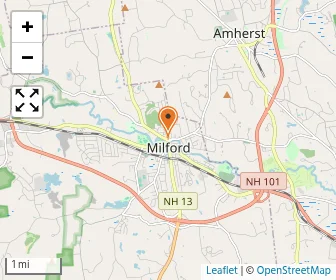
- The Colonel Shepard Montessori School in Milford, NH, offers a nonsectarian Montessori program for co–ed students in grades PK through 6 in a suburban community setting.
- Founded in 1995, the school serves 31 students with a student–teacher ratio of 10:1 supported by three teachers.
- The school has a student population that includes approximately 9% students of color, reflecting some diversity within the enrollment.
- As a Montessori school, it provides early childhood and elementary education within a midsize suburb of New Hampshire.
- Located in Milford, the school is among several private early learning options in the area, with enrollment totals smaller than many nearby programs.
School Facts
School Type
Religious Affiliation
Grades Offered
Grades Prekindergarten-6
Students By Grade
Year Founded
1995
Student Body
Total Students
31 students
Student Body Type
Co-ed
% Students of Color
9%
State avg.: 18%
Academic Profile
Total Classroom Teachers
3 teachers
Student-Teacher Ratio
10:1
National avg.: 11:1
Tuition & Financial Aid
Admission Deadline
None / Rolling
Extracurriculars
Total ExtracurricularsTotal Extra-curric.
4 extracurriculars
ExtracurricularsExtra-curric.
Art Classes with Currier Art MuseumMath Club
PTOSki Club
Frequently Asked Questions
When is the application deadline for The Colonel Shepard Montessori School?
The application deadline for The Colonel Shepard Montessori School is rolling (applications are reviewed as they are received year-round).
Related Schools
Show me:
People that viewed The Colonel Shepard Montessori School also viewed these schools: Early Learning Center Of Milford and The Rsec Academy.
The nearest high school to The Colonel Shepard Montessori School is The Rsec Academy (5.0 miles away)
The nearest elementary school is Country Village Montessori School (2.4 miles away)
The nearest preschool is Growing Imaginations Early Learning Center (0.9 miles away)
Show me:
Show me:
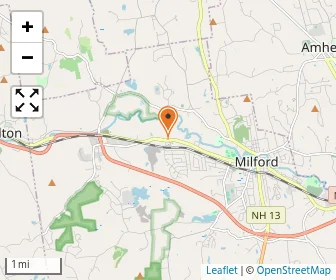
Distance: 1.6 mi
Gr: NS-PK | 116 students
Avg. class size: 5 students
Daycare / Preschool
352 Elm Street
Milford, NH 03055
(603) 672-1949
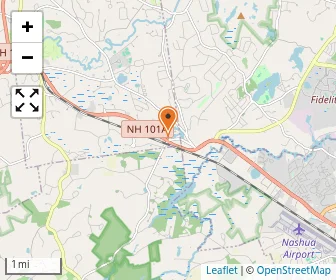
Distance: 5.0 mi
Gr: 6-12 | 32 students
Avg. class size: 8 students
Sports: 3
Special Education School
31 Old Nashua Road
Amherst, NH 03031
(603) 673-6656
Distance: 5.0 mi
Gr: 6-12 | 32 students
Avg. class size: 8 students
Sports: 3
Special Education School
31 Old Nashua Road
Amherst, NH 03031
(603) 673-6656
Distance: 5.0 mi
Gr: 6-12 | 32 students
Avg. class size: 8 students
Sports: 3
Special Education School
31 Old Nashua Road
Amherst, NH 03031
(603) 673-6656
Distance: 1.6 mi
Gr: NS-PK | 116 students
Avg. class size: 5 students
Daycare / Preschool
352 Elm Street
Milford, NH 03055
(603) 672-1949
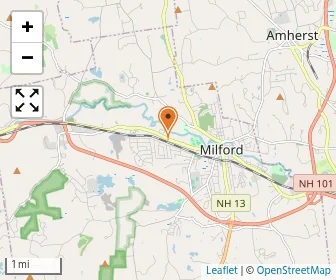
Distance: 0.9 mi
Gr: NS-PK | 41 students
Daycare / Preschool
188 Elm Street
Milford, NH 03055
(603) 673-4659
Distance: 1.6 mi
Gr: NS-PK | 116 students
Avg. class size: 5 students
Daycare / Preschool
352 Elm Street
Milford, NH 03055
(603) 672-1949
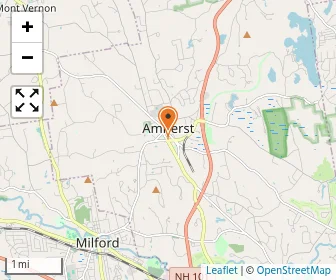
Distance: 2.1 mi
Gr: PK-K | 182 students
Avg. class size: 18 students
Daycare / Preschool
94 NH-101A
Amherst, NH 03031
(603) 886-0110
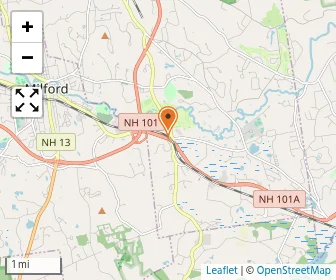
Distance: 2.4 mi
Gr: PK-5 | 19 students
Avg. class size: 12 students
Montessori School
2 Overlook Dr
Amherst, NH 03031
(603) 672-3882
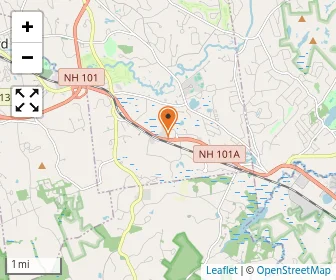
Distance: 3.7 mi
Gr: PK-K | 70 students
Daycare / Preschool
67 State Route 101a
Amherst, NH 03031
(603) 672-1199
Distance: 5.0 mi
Gr: 6-12 | 32 students
Avg. class size: 8 students
Sports: 3
Special Education School
31 Old Nashua Road
Amherst, NH 03031
(603) 673-6656
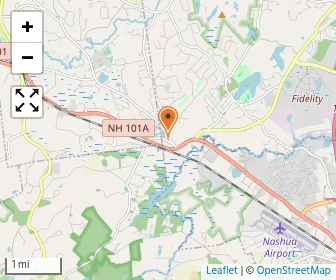
Distance: 5.3 mi
Gr: PK-12 | 274 students
Avg. class size: 18 students
Sports: 4
Christian
517 Boston Post Road
Merrimack, NH 03054
(603) 880-6832
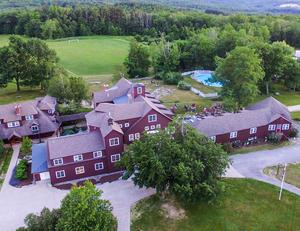
Distance: 5.5 mi
Gr: PK-12 | 361 students
Avg. class size: 22 students
Sports: 5 | Extracurriculars: 17
Specialized Curriculum
222 Isaac Frye Hwy
Wilton, NH 03086
(603) 654-2391
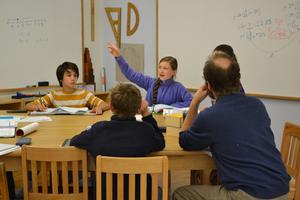
Distance: 5.6 mi
Gr: NS-9 | 125 students
Avg. class size: 20 students
Montessori School
9 South Merrimack Road
Hollis, NH 03049
(603) 400-1515
Distance: 7.8 mi
Gr: 6-9 | 17 students
Avg. class size: 8 students
410 Amherst Street, Suite 150
Nashua, NH 03063
(603) 316-6444
Distance: 2.4 mi
Gr: PK-5 | 19 students
Avg. class size: 12 students
Montessori School
2 Overlook Dr
Amherst, NH 03031
(603) 672-3882
Distance: 5.0 mi
Gr: 6-12 | 32 students
Avg. class size: 8 students
Sports: 3
Special Education School
31 Old Nashua Road
Amherst, NH 03031
(603) 673-6656
Distance: 5.3 mi
Gr: PK-12 | 274 students
Avg. class size: 18 students
Sports: 4
Christian
517 Boston Post Road
Merrimack, NH 03054
(603) 880-6832
Distance: 5.5 mi
Gr: PK-12 | 361 students
Avg. class size: 22 students
Sports: 5 | Extracurriculars: 17
Specialized Curriculum
222 Isaac Frye Hwy
Wilton, NH 03086
(603) 654-2391
Distance: 5.6 mi
Gr: NS-9 | 125 students
Avg. class size: 20 students
Montessori School
9 South Merrimack Road
Hollis, NH 03049
(603) 400-1515
Distance: 0.9 mi
Gr: NS-PK | 41 students
Daycare / Preschool
188 Elm Street
Milford, NH 03055
(603) 673-4659
Distance: 1.6 mi
Gr: NS-PK | 116 students
Avg. class size: 5 students
Daycare / Preschool
352 Elm Street
Milford, NH 03055
(603) 672-1949
Distance: 2.1 mi
Gr: PK-K | 182 students
Avg. class size: 18 students
Daycare / Preschool
94 NH-101A
Amherst, NH 03031
(603) 886-0110
Distance: 2.4 mi
Gr: PK-5 | 19 students
Avg. class size: 12 students
Montessori School
2 Overlook Dr
Amherst, NH 03031
(603) 672-3882
Distance: 3.7 mi
Gr: PK-K | 70 students
Daycare / Preschool
67 State Route 101a
Amherst, NH 03031
(603) 672-1199
School
(Math and Reading Proficiency)
(Math and Reading Proficiency)
Location
Miles
Quick Facts
9 Elm St.
Milford, NH 03055
(603) 673-4434
Milford, NH 03055
(603) 673-4434
0.2 miles
Gr: K-1 | 276 students Student-Teacher Ratio: 10:1 Minority enrollment: 14%
Milford High School
(Math: 30-34% | Reading: 60-64%)
Rank:
Rank:
6/
Top 50%10
100 West St.
Milford, NH 03055
(603) 673-4201
Milford, NH 03055
(603) 673-4201
0.8 miles
Gr: 9-12 | 655 students Student-Teacher Ratio: 11:1 Minority enrollment: 12%
Milford Middle School
(Math: 42% | Reading: 48%)
Rank:
Rank:
5/
Bottom 50%10
33 Osgood Rd.
Milford, NH 03055
(603) 673-5221
Milford, NH 03055
(603) 673-5221
0.9 miles
Gr: 6-8 | 445 students Student-Teacher Ratio: 10:1 Minority enrollment: 15%
Clark-wilkins School
(Math: 76% | Reading: 65%)
Rank:
Rank:
10/
Top 10%10
80 Boston Post Rd.
Amherst, NH 03031
(603) 673-4411
Amherst, NH 03031
(603) 673-4411
2.1 miles
Gr: PK-4 | 676 students Student-Teacher Ratio: 10:1 Minority enrollment: 14%
80 Heron Pond Road
Milford, NH 03055
(603) 673-1811
Milford, NH 03055
(603) 673-1811
2.3 miles
Gr: PK | 54 students Student-Teacher Ratio: 9:1 Minority enrollment: 9%
Recent Articles

Who Handles Medication at a Private School?
Learn who handles student medication at private schools, what policies families should review, and which questions parents should ask about prescriptions, emergencies, storage, documentation, and daily administration.

Does Your Child Need a School With a Full-Time Nurse?
Learn when a full-time school nurse matters, how private schools handle medications, chronic conditions and emergencies, and which health-service questions parents should ask before enrolling their child.
The Course Availability Test: Are Classes Really Offered?
Learn how to verify whether private school catalog courses are actually offered each year, identify scheduling limitations, and ask better questions before choosing a school for your child today.