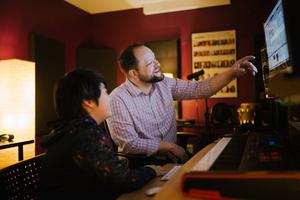
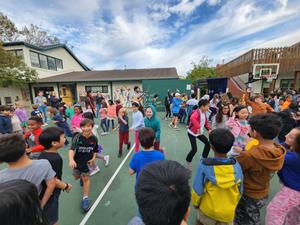
Via School, a non-public school offering education and behavioral treatment to developmentally disabled students aged 5-21, accepts students who need and can benefit from highly-structured, behaviorally-based programming offered in the context of a warm and family-like environment.
Programs are designed to provide a strategic blend of challenge and support to help students and residents or clients succeed in increasingly less-restrictive environments such as those offered by local school districts, agencies providing adult services, supported employment programs, supported living programs, and, most importantly, the family and community.
As a rule, Via students have educational, behavioral, or medical needs that require more intensive staffing and behavioral programming than can be offered in classrooms in their own school districts.
Sometimes, these are students who have not flourished in prior placements in larger non-public schools and require a smaller, more intimate setting to succeed.
Referrals can be made by parents, school district program managers, case managers or care providers.
Placements must be made by the students' school districts through the Individualized Educational Program (IEP) teams.
Quick Facts (2026)
- School Type: Special Education School
- Grades: 7-11
- Enrollment: 8 students
- Application Deadline: None / Rolling
- Source: National Center for Education Statistics (NCES)
School Overview
School Type
Religious Affiliation
Grades Offered
Grades 7-11
School Calendar
Student Body
Total Students
8 students
Student Body Type
Co-ed
% Students of Color
63%
State avg.: 51%
Students by Grade
Academics and Faculty
Total Classroom Teachers
2 teachers
Student-Teacher Ratio
4:1
National avg.: 11:1
Tuition and Acceptance Rate
Admission Deadline
None / Rolling
School Notes
- Via School, a non-public school offering education and behavioral treatment to developmentally disabled students aged 5-21, accepts students who need and can benefit from highly-structured, behaviorally-based programming offered in the context of a warm and family-like environment. Programs are designed to provide a strategic blend of challenge and support to help students and residents or clients succeed in increasingly less-restrictive environments such as those offered by local school districts, agencies providing adult services, supported employment programs, supported living programs, and, most importantly, the family and community. As a rule, Via students have educational, behavioral, or medical needs that require more intensive staffing and behavioral programming than can be offered in classrooms in their own school districts. Sometimes, these are students who have not flourished in prior placements in larger non-public schools and require a smaller, more intimate setting to succeed. Referrals can be made by parents, school district program managers, case managers or care providers. Placements must be made by the students' school districts through the Individualized Educational Program (IEP) teams.
Source: National Center for Education Statistics (NCES)
Frequently Asked Questions
When is the application deadline for Via Center?
The application deadline for Via Center is rolling (applications are reviewed as they are received year-round).
In what neighborhood is Via Center located?
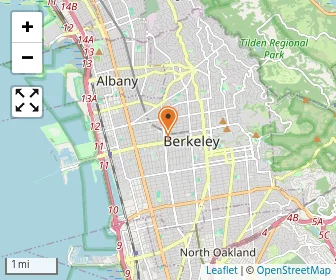
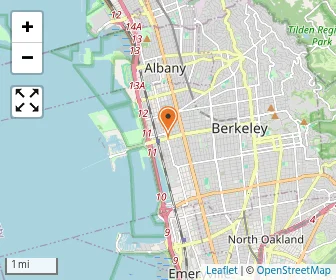
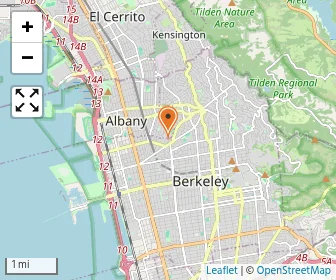
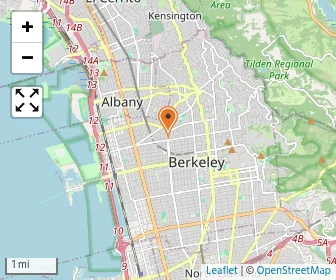
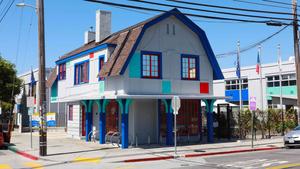
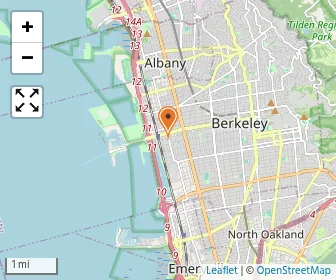
Via Center is located in the Southwest Berkeley neighborhood of Berkeley, CA. There are 5 other private schools located in Southwest Berkeley.
School Reviews
Endorse Via Center. Endorsements should be a few sentences in length. Please include any comments on:
- Quality of academic programs, teachers, and facilities
- Availability of music, art, sports and other extracurricular activities
- Academic or athletic awards
Recent Articles
Private School Closures and Consolidations: Warning Signs to Watch
Learn the financial, enrollment, and leadership warning signs that may indicate a private school is at risk of closure or consolidation, and how families can prepare.
AI Tutoring in Private Schools: Innovation or Risk?
Discover how AI tutoring is changing private education, the benefits and risks for students, and what parents should ask before enrolling.
What New Cell Phone Laws Mean for Private School Families
Learn how new cell phone laws are affecting private schools, what parents should expect, and how to evaluate school technology policies in 2026.