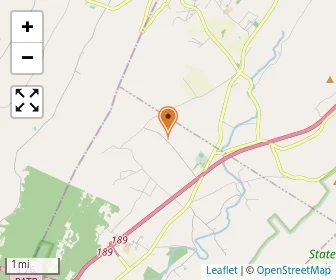
About the School
- Walnut Lane Amish School in Spring Run, PA is a co–educational rural private elementary and middle school serving grades 1 through 8.
- The school has an enrollment of 21 students and a student–teacher ratio of 21:1, with one teacher on staff.
- Walnut Lane Amish School follows an Amish religious affiliation and operates within a rural community setting.
- Nearby rural Amish schools offer similar grade spans and enrollment sizes, providing alternative options within a few miles of Spring Run.
Student Body
Total Students
21 students
Student Body Type
Co-ed
Academic Profile
Total Classroom Teachers
1 teacher
Student-Teacher Ratio
21:1
National avg.: 11:1
Tuition & Financial Aid
Admission Deadline
None / Rolling
Frequently Asked Questions
When is the application deadline for Walnut Lane Amish School?
The application deadline for Walnut Lane Amish School is rolling (applications are reviewed as they are received year-round).
Nearby Private Schools
The nearest high school to Walnut Lane Amish School is Path Valley Christian School (8.5 miles away)
The nearest elementary school is Concocheague Creek Amish School (1.7 miles away)
The nearest preschool is Cumberland Valley Christian School (14.2 miles away)
Show me:
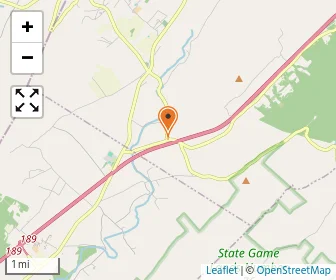
Distance: 1.7 mi
Gr: 1-8 | 24 students
Amish
18188 Stonebridge Rd
Spring Run, PA 17262
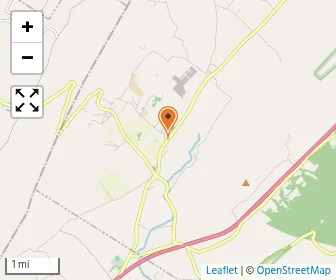
Distance: 2.4 mi
Gr: 1-8 | 24 students
Amish
17014 Path Valley Rd.
Spring Run, PA 17262
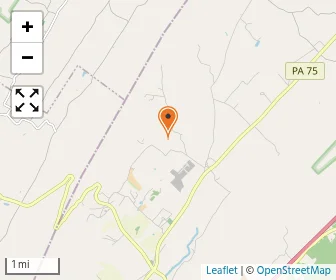
Distance: 3.9 mi
Gr: 1-8 | 24 students
Amish
19463
Dry Run, PA 17220
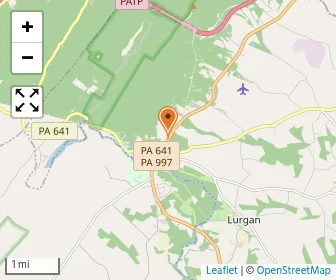
Distance: 7.4 mi
Gr: 1-4 | 35 students
Amish
Cumberland Highway
Newburg, PA 17240
(717) 262-8488
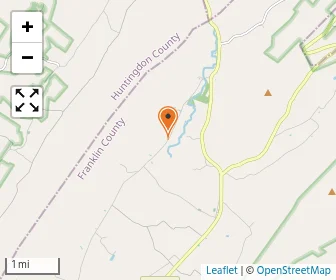
Distance: 8.5 mi
Gr: 2-12 | 13 students
Mennonite
22279 Back Rd
Doylesburg, PA 17219
(717) 349-7878
Distance: 8.5 mi
Gr: 2-12 | 13 students
Mennonite
22279 Back Rd
Doylesburg, PA 17219
(717) 349-7878
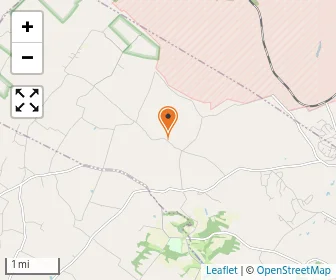
Distance: 10.9 mi
Gr: 1-10 | 46 students
Brethren
5501 Fort Mccord Rd
Chambersburg, PA 17202
(717) 263-1576
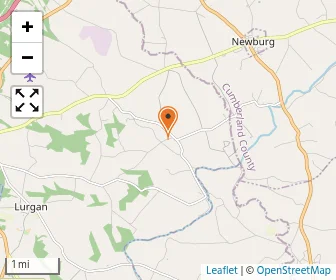
Distance: 11.2 mi
Gr: K-12 | 56 students
Avg. class size: 8 students
Sports: 2
Brethren
14924 W Creek Rd
Newburg, PA 17240
(717) 423-6020
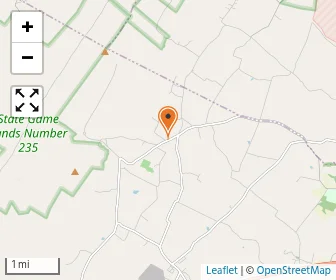
Distance: 11.4 mi
Gr: 1-9 | 25 students
Mennonite
2643 Apple Way
Chambersburg, PA 17202
(717) 369-4550
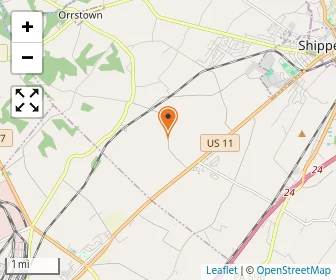
Distance: 13.3 mi
Gr: K-12 | 103 students
Mennonite
744 Pinola Rd
Shippensburg, PA 17257
(717) 532-2266
Distance: 1.7 mi
Gr: 1-8 | 24 students
Amish
18188 Stonebridge Rd
Spring Run, PA 17262
Distance: 2.4 mi
Gr: 1-8 | 24 students
Amish
17014 Path Valley Rd.
Spring Run, PA 17262
Distance: 3.9 mi
Gr: 1-8 | 24 students
Amish
19463
Dry Run, PA 17220
Distance: 7.4 mi
Gr: 1-4 | 35 students
Amish
Cumberland Highway
Newburg, PA 17240
(717) 262-8488
Distance: 8.5 mi
Gr: 2-12 | 13 students
Mennonite
22279 Back Rd
Doylesburg, PA 17219
(717) 349-7878
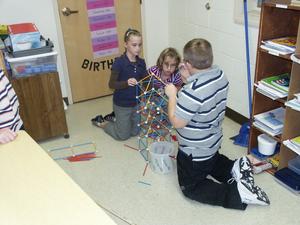
Distance: 14.2 mi
Gr: PK-12 | 473 students
Avg. class size: 20 students
Sports: 6 | Extracurriculars: 11
Christian
600 Miller St
Chambersburg, PA 17201
(717) 264-3266
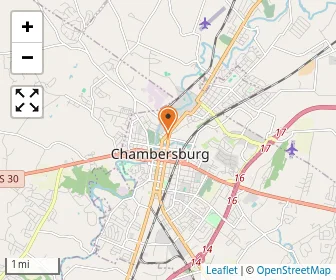
Distance: 14.6 mi
Gr: PK-8 | 269 students
Catholic
305 N 2nd St
Chambersburg, PA 17201
(717) 263-5036
Distance: 17.1 mi
Gr: PK-8 | 112 students
Avg. class size: 18 students
Sports: 1
Montessori School
875 Ragged Edge Rd
Chambersburg, PA 17202
(717) 261-1110

Distance: 17.2 mi
Gr: PK-12 | 648 students
Avg. class size: 15 students
Sports: 9 | Extracurriculars: 15
126 Social Island Road
Chambersburg, PA 17202
(717) 375-2223
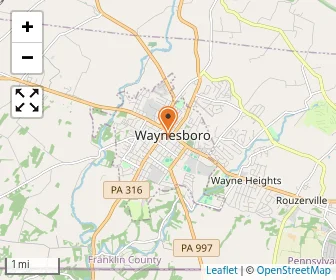
Distance: 28.0 mi
Gr: PK-K | 78 students
Alternative School (Methodist)
100 S Church St
Waynesboro, PA 17268
(717) 765-8146
School
(Math and Reading Proficiency)
(Math and Reading Proficiency)
Location
Miles
Quick Facts
Fannett-metal Elementary School
(Math: 55-59% | Reading: 65-69%)
Rank:
Rank:
8/
Top 30%10
14823 Path Valley Road
Willow Hill, PA 17271
(717) 349-2513
Willow Hill, PA 17271
(717) 349-2513
0.9 miles
Gr: K-5 | 175 students Student-Teacher Ratio: 9:1 Minority enrollment: 8%
Fannett-metal Middle School
(Math: 15-19% | Reading: 50-54%)
Rank:
Rank:
3/
Bottom 50%10
14823 Path Valley Road
Willow Hill, PA 17271
(717) 349-2363
Willow Hill, PA 17271
(717) 349-2363
0.9 miles
Gr: 6-8 | 70 students Student-Teacher Ratio: 6:1 Minority enrollment: 8%
Fannett-metal Sr. High School
(Math: 21-39% | Reading: 60-79%)
Rank:
Rank:
6/
Top 50%10
14823 Path Valley Road
Willow Hill, PA 17271
(717) 349-2363
Willow Hill, PA 17271
(717) 349-2363
0.9 miles
Gr: 9-12 | 124 students Student-Teacher Ratio: 5:1 Minority enrollment: 3%
Shade Gap Elementary School
(Math: 30-39% | Reading: 50-54%)
Rank:
Rank:
4/
Bottom 50%10
22251 Shade Valley Road
Shade Gap, PA 17255
(814) 447-5529
Shade Gap, PA 17255
(814) 447-5529
5.1 miles
Gr: K-5 | 90 students Student-Teacher Ratio: 11:1 Minority enrollment: 6%
Lurgan Elementary School
(Math: 40-49% | Reading: 35-39%)
Rank:
Rank:
4/
Bottom 50%10
8888 Roxbury Rd
Lurgan, PA 17232
(717) 532-6125
Lurgan, PA 17232
(717) 532-6125
8.6 miles
Gr: K-5 | 121 students Student-Teacher Ratio: 13:1 Minority enrollment: 8%
Recent Articles

Should Your Child Stay at the Same Private School K–12?
Explore whether your child should attend the same private school from kindergarten through graduation, weighing academic continuity, friendships, changing needs, tuition costs, and opportunities at different educational stages.

When Your Child's Closest Friends Leave Private School
Learn how to support your child when close friends leave private school, manage loneliness, maintain friendships, encourage new connections, recognize emotional challenges, and decide when additional school support is needed.

When Your Child Doesn't Connect With Their Teacher
Discover when parents should intervene if their child struggles to connect with a private school teacher, including warning signs, communication strategies, classroom concerns, and practical steps toward improving relationships.