School Facts
School Type
Religious Affiliation
Grades Offered
Grades Prekindergarten-Kindergarten
Students By Grade
Student Body
Total Students
46 students
Student Body Type
Co-ed
Academic Profile
Total Classroom Teachers
7 teachers
Student-Teacher Ratio
7:1
National avg.: 11:1
Tuition & Financial Aid
Admission Deadline
None / Rolling
School Notes
- Arcadia Learning Center in Tacoma, WA is a nonsectarian Montessori school serving preschool through kindergarten in a midsize city neighborhood.
- The school enrolls 46 students from preschool to kindergarten, with a student–teacher ratio of 7:1 supported by 7 teachers.
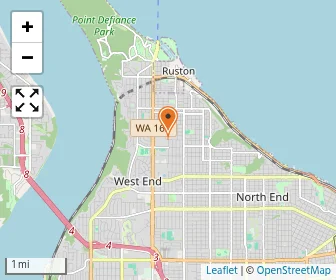
- Located in Tacoma's West End neighborhood, Arcadia Learning Center is a member of the National Association for the Education of Young Children and Montessori associations.
- As a city–based early learning program, it focuses on coeducational Montessori education for children ages PK to K.
Source: National Center for Education Statistics (NCES)
Frequently Asked Questions
When is the application deadline for Arcadia Learning Center?
The application deadline for Arcadia Learning Center is rolling (applications are reviewed as they are received year-round).
In what neighborhood is Arcadia Learning Center located?
Arcadia Learning Center is located in the West End neighborhood of Tacoma, WA. There are 1 other private schools located in West End.
Related Schools
Show me:
People that viewed Arcadia Learning Center also viewed these schools: Seabury School and Imagination School.
The nearest high school to Arcadia Learning Center is Covenant High School (2.0 miles away)
The nearest elementary school is Saint Patrick Catholic School (2.5 miles away)
The nearest preschool is North Tacoma KinderCare (2.2 miles away)
Show me:
Show me:

Distance: 4.4 mi
Gr: PK-8 | 97 students
Avg. class size: 15 students
Extracurriculars: 3
Specialized Curriculum
1801 53rd St NE
Tacoma, WA 98422
(253) 952-3111
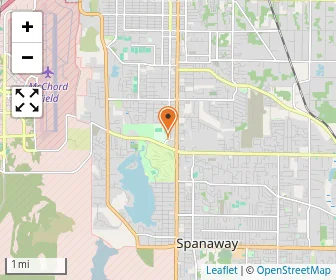
Distance: 11.7 mi
Gr: PK-6 | 14 students
Montessori School
14824 C Street South
Tacoma, WA 98444
(253) 535-2522
Distance: 4.4 mi
Gr: PK-8 | 97 students
Avg. class size: 15 students
Extracurriculars: 3
Specialized Curriculum
1801 53rd St NE
Tacoma, WA 98422
(253) 952-3111
Distance: 11.7 mi
Gr: PK-6 | 14 students
Montessori School
14824 C Street South
Tacoma, WA 98444
(253) 535-2522
Distance: 4.4 mi
Gr: PK-8 | 97 students
Avg. class size: 15 students
Extracurriculars: 3
Specialized Curriculum
1801 53rd St NE
Tacoma, WA 98422
(253) 952-3111
Distance: 11.7 mi
Gr: PK-6 | 14 students
Montessori School
14824 C Street South
Tacoma, WA 98444
(253) 535-2522
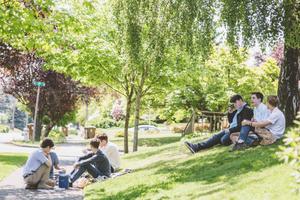
Distance: 2.0 mi
Gr: 9-12
Avg. class size: 20 students
Sports: 1 | Extracurriculars: 10
620 South Shirley Street
Tacoma, WA 98465
(253) 759-9570
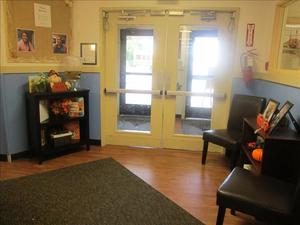
Distance: 2.2 mi
Gr: NS-PK | 23 students
Daycare / Preschool
635 South Mildred Street
Tacoma, WA 98465
(253) 565-1671

Distance: 2.5 mi
Gr: NS-8 | 372 students
Avg. class size: 18 students
Sports: 4 | Extracurriculars: 16
Catholic
1112 North G Street
Tacoma, WA 98403
(253) 274-4134
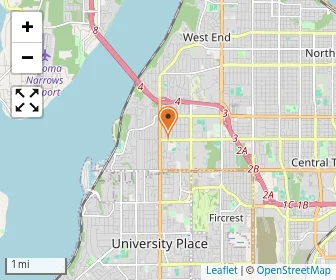
Distance: 2.6 mi
Gr: PK-8 | 502 students
Avg. class size: 25 students
Sports: 4 | Extracurriculars: 2
Catholic
7112 S 12th St
Tacoma, WA 98465
(253) 564-5185
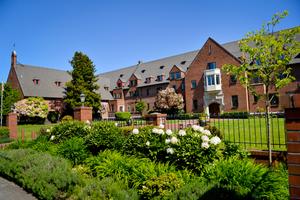
Distance: 2.7 mi
Gr: NS-12 | 902 students
Avg. class size: 14 students
Sports: 8 | Extracurriculars: 30
827 N Tacoma Ave
Tacoma, WA 98403
(253) 272-2216
Distance: 2.0 mi
Gr: 9-12
Avg. class size: 20 students
Sports: 1 | Extracurriculars: 10
620 South Shirley Street
Tacoma, WA 98465
(253) 759-9570
Distance: 2.7 mi
Gr: NS-12 | 902 students
Avg. class size: 14 students
Sports: 8 | Extracurriculars: 30
827 N Tacoma Ave
Tacoma, WA 98403
(253) 272-2216
Distance: 3.0 mi
Gr: NS-12 | 740 students
Avg. class size: 18 students
Sports: 11 | Extracurriculars: 19
Assembly of God
1717 S Union Ave
Tacoma, WA 98405
(253) 756-5317
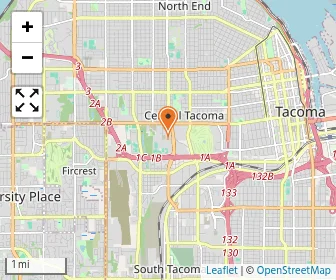
Distance: 3.3 mi
Gr: 9-12 | 847 students
Avg. class size: 20 students
Catholic
2300 S Washington St
Tacoma, WA 98405
(253) 752-7701

Distance: 3.4 mi
Gr: PK-10 | 330 students
Pentecostal
2014 S 15th St
Tacoma, WA 98405
(253) 234-5112
Distance: 2.5 mi
Gr: NS-8 | 372 students
Avg. class size: 18 students
Sports: 4 | Extracurriculars: 16
Catholic
1112 North G Street
Tacoma, WA 98403
(253) 274-4134
Distance: 2.6 mi
Gr: PK-8 | 502 students
Avg. class size: 25 students
Sports: 4 | Extracurriculars: 2
Catholic
7112 S 12th St
Tacoma, WA 98465
(253) 564-5185
Distance: 2.7 mi
Gr: NS-12 | 902 students
Avg. class size: 14 students
Sports: 8 | Extracurriculars: 30
827 N Tacoma Ave
Tacoma, WA 98403
(253) 272-2216
Distance: 3.0 mi
Gr: NS-12 | 740 students
Avg. class size: 18 students
Sports: 11 | Extracurriculars: 19
Assembly of God
1717 S Union Ave
Tacoma, WA 98405
(253) 756-5317
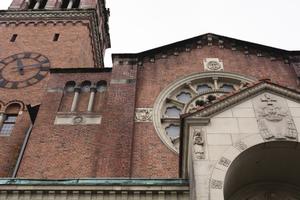
Distance: 3.3 mi
Gr: K-8 | 120 students
Avg. class size: 13 students
Sports: 2 | Extracurriculars: 4
Christian
20 Tacoma Avenue S
Tacoma, WA 98402
(253) 240-0287
Distance: 2.2 mi
Gr: NS-PK | 23 students
Daycare / Preschool
635 South Mildred Street
Tacoma, WA 98465
(253) 565-1671
Distance: 2.5 mi
Gr: NS-8 | 372 students
Avg. class size: 18 students
Sports: 4 | Extracurriculars: 16
Catholic
1112 North G Street
Tacoma, WA 98403
(253) 274-4134
Distance: 2.6 mi
Gr: PK-8 | 502 students
Avg. class size: 25 students
Sports: 4 | Extracurriculars: 2
Catholic
7112 S 12th St
Tacoma, WA 98465
(253) 564-5185
Distance: 2.7 mi
Gr: NS-12 | 902 students
Avg. class size: 14 students
Sports: 8 | Extracurriculars: 30
827 N Tacoma Ave
Tacoma, WA 98403
(253) 272-2216
Distance: 3.0 mi
Gr: NS-12 | 740 students
Avg. class size: 18 students
Sports: 11 | Extracurriculars: 19
Assembly of God
1717 S Union Ave
Tacoma, WA 98405
(253) 756-5317
School
(Math and Reading Proficiency)
(Math and Reading Proficiency)
Location
Miles
Quick Facts
Truman Middle School
(Math: 30% | Reading: 53%)
Rank:
Rank:
5/
Bottom 50%10
5801 N 35th St
Tacoma, WA 98407
(253) 571-5600
Tacoma, WA 98407
(253) 571-5600
0.3 miles
Gr: 6-8 | 438 students Student-Teacher Ratio: 21:1 Minority enrollment: 47%
Point Defiance Elementary School
(Math: 55-59% | Reading: 60-64%)
Rank:
Rank:
8/
Top 30%10
4330 N Visscher St
Tacoma, WA 98407
(253) 571-6900
Tacoma, WA 98407
(253) 571-6900
0.5 miles
Gr: K-5 | 301 students Student-Teacher Ratio: 16:1 Minority enrollment: 36%
Sherman Elementary School
(Math: 62% | Reading: 73%)
Rank:
Rank:
9/
Top 20%10
4415 N 38th St
Tacoma, WA 98407
(253) 571-5488
Tacoma, WA 98407
(253) 571-5488
0.6 miles
Gr: K-5 | 432 students Student-Teacher Ratio: 20:1 Minority enrollment: 27%
Downing Elementary School
(Math: 60-64% | Reading: 65-69%)
Rank:
Rank:
9/
Top 20%10
5130 N. 26th Street
Tacoma, WA 98406
(253) 571-7100
Tacoma, WA 98406
(253) 571-7100
1 miles
Gr: PK-5 | 298 students Student-Teacher Ratio: 18:1 Minority enrollment: 42%
Jefferson Elementary School
(Math: 70-74% | Reading: 70-74%)
Rank:
Rank:
10/
Top 10%10
4302 North 13th St
Tacoma, WA 98406
(253) 571-4000
Tacoma, WA 98406
(253) 571-4000
1.2 miles
Gr: PK-5 | 358 students Student-Teacher Ratio: 19:1 Minority enrollment: 48%
Recent Articles

Private School Tuition Insurance: Is It Worth Buying?
Is private school tuition insurance worth buying? Learn what policies cover, compare costs and exclusions, and decide whether protecting your tuition investment makes financial sense for your family.

Medical Leave and Private School Tuition: Parent Guide
What happens to private school tuition during medical leave? Learn about refunds, tuition insurance, enrollment contracts, financial aid, and protecting your child's education while managing unexpected medical expenses and recovery.
Private School Commute: Is the Travel Time Worth It?
Is the commute to private school worth it? Learn how to calculate travel time, protect family routines, assess student well-being, and decide whether a longer journey makes educational sense.