Jobs in Private Schools

This section focuses on tools, tips and articles related to working in a private school. We’ll cover marketing yourself, resume tips and contract negotiations. Learn more about the availability of private school jobs, the difference between a cover letter and letter of interest, and what impact you can have as a teacher.

View the most popular articles in Jobs in Private Schools:

The Pros and Cons of Teaching Overseas

Updated
|
The Pros and Cons of Teaching Overseas
Hundreds of private schools, and for that matter, public schools, outside the United States will be happy to have you as a teacher for a few years.

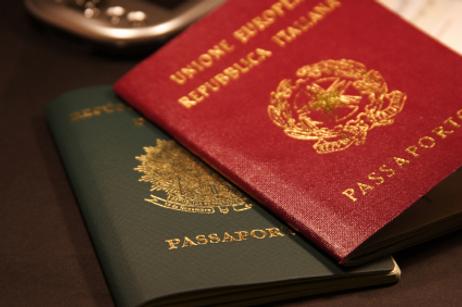
As you Google "teaching abroad," dozens of sites offering ESL (English As A Second Language) jobs in Asia and the Middle East will show up in the search results. Those teaching jobs are not the focus of this article. I am writing about jobs in private K-12 schools. Hundreds of private schools, and for that matter, public schools, outside the United States will be happy to have you as a teacher for a few years. It's a great opportunity for teachers of any age who want to experience the world. And, because they need trained teachers, the local authorities will take care of all the immigration matters for you as part of the contract.

Where to look for teaching positions

In the United Kingdom, you will find teaching positions listed in:

In Europe, you will find teaching positions listed at:

So, what's it really like teaching abroad?

  1. You won't get rich.

    Of course, you knew that anyway. If you were looking for money, you would have chosen another career. Be prepared for the reality that teachers don't make a lot of money overseas. Depending on the job location, you may get housing included. Most likely you will have to find housing yourself. You definitely will


. . .read more

Gay Teachers

Updated
|
Gay Teachers
Several prep schools have pushed the envelope of diversity by allowing committed same sex couples to live on campus in school housing.

The 21st-century has seen some major changes in the way gay and lesbian people's rights are treated. Before 2015, there was a patchwork of state laws dealing with the issue. Indeed, Amanda Machado writes in The Plight of Being a Gay Teacher in The Atlantic that gay teachers were frequently fired when state education departments purged their rolls of LGBT teachers. As the Supreme Court noted in its decision which made same-sex marriage legal, "Well into the 20th century, many States condemned same-sex intimacy as immoral, and homosexuality was treated as an illness. Later in the century, cultural and political developments allowed same-sex couples to lead more open and public lives. Extensive public and private dialogue followed, along with shifts in public attitudes." The Supreme Court decision of June 26, 2015 , legalizing same-sex marriages has had a major impact on how gay and lesbian citizens are treated legally. Unfortunately, as you and I know only too well, just because something is legal doesn't mean that all sectors of society will accept it. That is certainly the case with the perception of gay and lesbian people.

In this video, David Weston, CEO of the Teacher Development Trust and former science and maths teacher, talks about coming out as an LGBT teacher.

Gay and lesbian teachers

We have always had gay and lesbian teachers. Until recently, they were mostly closeted, especially in situations

. . .read more

Is Your Network Keeping You Connected?

Updated
|
Is Your Network Keeping You Connected?
A private school teacher has to create her own ways of staying connected. Staying connected keeps you informed and gives you a sense of solidarity.

Private school teachers do not belong to a teachers' union. One of the great strengths of a union is that it connects like-minded workers, keeps them informed of trends within their industry, and promotes solidarity. These are all laudable aims. How do private school teachers get connected with others in their profession?

Keep your network current

Think of all the people you meet in person or electronically every day. Keep email addresses for those colleagues and others whom you consider valuable in some way. Perhaps you admire a colleague for her leadership in a particular area such as online learning or podcasting. Leave a comment on her blog. Email her. You don't have to write an epistle. A few words of positive support and encouragement are all that is needed. Ask for help. It is impossible for anybody to have all the answers. Your colleagues are a wonderful resource. Keeping your network current allows you to utilize those resources fully.

Connect on ATLIS

Interacting with your colleagues is something you need to do regularly. Join the discussions on ATLIS (The Association of Technology Leaders in Independent Schools). Express your opinions. Learn from what others are saying. ATLIS offers virtual events and a career corner, as well as many other resources for the busy independent school teacher.

Podcasting

Podcasting is an effective way of letting people know what you do. Podcast Insights has a list of podcast hosting sites, several of which are free. Keep

. . .read more

Employing Foreign Nationals

Updated
|
Employing Foreign Nationals
Can non-U.S. teachers get employment in American private schools? The answer is "No" in 99.9% of cases.

This article is for the hundreds of foreign nationals who seek employment in American private schools each year. Be aware that most American private schools will hire a foreign national only if he or she has an H-1B Visa, a J-1 Visa, or a Green Card (officially known as the Permanent Resident Card).

Types of Visas Available

Let's review the types of visas available to a foreign national seeking to teach in the U.S.A.

H-1B Visas

The H-1B visa class is a viable option for primary, secondary or college teachers with the required knowledge and training, especially during times of national teacher shortages. H-1B visa offers foreign professionals the ability to work temporarily in the United States as long as they hold specialty occupations. For an H-1B visa for teachers, the exact requirements and eligibility conditions are noted below. Source: USCIS

H-1B visas are used for specialty employment situations, such as teaching and other skilled professionals. There are several ways you can navigate the labyrinth of requirements, forms, and fees required to submit your application. One way to do it is to apply yourself. This works only if you are an immigration lawyer because the rules, regulations, and application forms can be confusing for a foreign national.

H-1B visas are capped at 65,000 each fiscal year beginning on October 1. This class of visa is very competitive and uncertain. It also takes six to eight months for the entire process to play out. Only

. . .read more

Do I Need to be Certified?

Updated
|
Do I Need to be Certified?
Each state sets its own teacher certification requirements. While many private schools do not require you to be certified, it is in your best interests to obtain certification. This article includes contact information for state education offices so you can begin the process.

Each state sets its own teacher certification requirements. While many private schools do not require you to be certified, it is in your best interests to obtain certification. Why is that so? Simply because it adds one more important credential to your resume. That will help keep you marketable for many years to come.

Here is the contact information you need to find out what the specific requirements are in the various states and territories.

State Certification Contacts

Recent Articles

Should Your Child Stay at the Same Private School K–12?
Explore whether your child should attend the same private school from kindergarten through graduation, weighing academic continuity, friendships, changing needs, tuition costs, and opportunities at different educational stages.
When Your Child's Closest Friends Leave Private School
Learn how to support your child when close friends leave private school, manage loneliness, maintain friendships, encourage new connections, recognize emotional challenges, and decide when additional school support is needed.
When Your Child Doesn't Connect With Their Teacher
Discover when parents should intervene if their child struggles to connect with a private school teacher, including warning signs, communication strategies, classroom concerns, and practical steps toward improving relationships.

Jobs in Private Schools

BASICS
Here you'll find valuable information on finding jobs within the private school sector. Get the basics on everything from job searches to salary and contract negotiations. Explore the dos and don’ts of private school employment and learn your marketability quotient.
APPLYING AND INTERVIEWING
Learn more about applying and interviewing for jobs in a private school. Here we'll cover everything from cover letters to interview questions. Get tips on common application mistakes, how to ask good questions during your interview, and marketing yourself.
TEACHER
A glimpse into some of the most important facing teachers today. Learn why it's important to be cautious on Facebook. Get tips on switching to a teaching career later in life. And learn how a teacher can influence students and their families.