
About the School
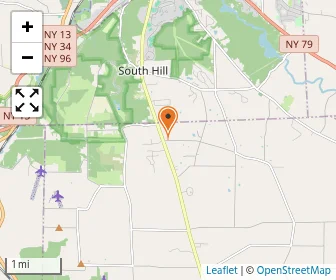
- Interlaken Christian School in Interlaken, NY, serves 21 co–ed students from kindergarten through 12th grade in a rural community setting.
- The school has a student–teacher ratio of 11:1 with a total of 2 teachers supporting its K–12 enrollment.
- Founded with a Baptist orientation, the school is affiliated with Accelerated Christian Education (ACE) and the American Association of Christian Schools (AACS).
- Tuition rates and additional enrollment details are available for families seeking a rural New York K–12 Christian education option.
School Facts
Student Body
Total Students
21 students
Student Body Type
Co-ed
Academic Profile
Total Classroom Teachers
2 teachers
Student-Teacher Ratio
11:1
National avg.: 11:1
Tuition & Financial Aid
Admission Deadline
None / Rolling
Frequently Asked Questions
When is the application deadline for Interlaken Christian School?
The application deadline for Interlaken Christian School is rolling (applications are reviewed as they are received year-round).
Nearby Private Schools
The nearest high school to Interlaken Christian School is Emmanuel Baptist Academy (16.5 miles away)
The nearest elementary school is Meadow Lane School (9.1 miles away)
The nearest preschool is Namaste Montessori School (11.1 miles away)
Show me:
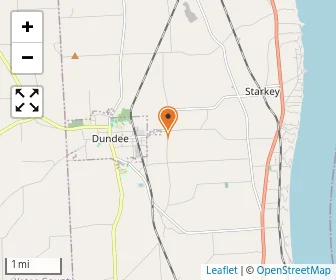
Distance: 9.1 mi
Gr: 1-8 | 33 students
Mennonite
5031 Jessop Rd
Dundee, NY 14837
(607) 243-8027
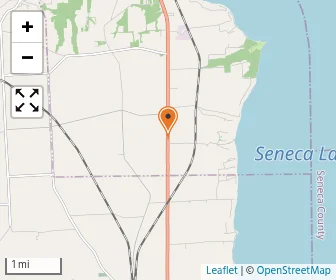
Distance: 10.3 mi
Gr: 1-8 | 21 students
Mennonite
1190 Earls Hill Rd
Penn Yan, NY 14527
(315) 536-2698
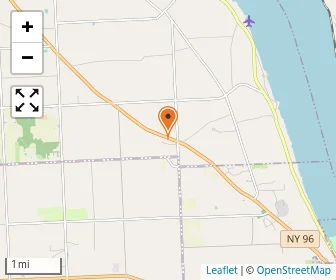
Distance: 11.1 mi
Gr: PK-6 | 72 students
Avg. class size: 13 students
Extracurriculars: 4
Montessori School
1608 Trumansburg Rd and 1872 Trumansburg Rd
Ithaca, NY 14850
(607) 272-0515

Distance: 13.4 mi
Gr: 1-8 | 23 students
Mennonite
2051 Porters Corners Rd
Dundee, NY 14837
(607) 243-7717
Distance: 14.1 mi
Gr: 1-8 | 22 students
Mennonite
1773 Haley Rd
Dundee, NY 14837
(607) 243-7658
Distance: 16.5 mi
Gr: K-12 | 39 students
Baptist
332 Main St
Penn Yan, NY 14527
(315) 536-8278

Distance: 16.7 mi
Gr: 8-12 | 8 students
116 Summit Ave
Ithaca, NY 14850
(607) 272-3110

Distance: 21.4 mi
Gr: K-12 | 125 students
Avg. class size: 20 students
Sports: 3 | Extracurriculars: 4
Seventh Day Adventist
40 Spring St
Union Springs, NY 13160
(315) 889-7314
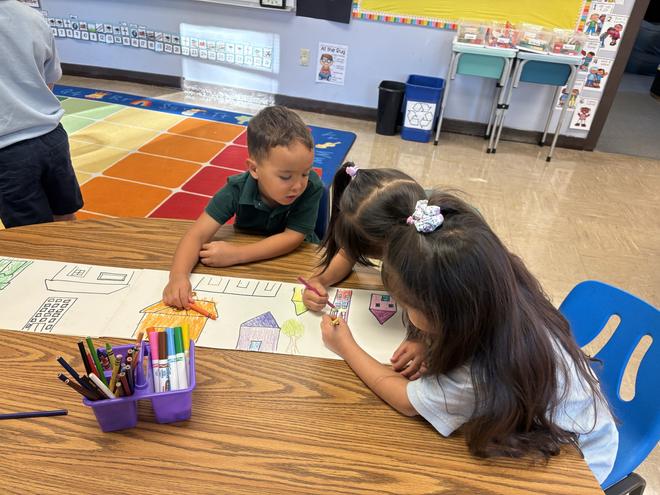
Distance: 21.4 mi
Gr: PK-12 | 73 students
Avg. class size: 8 students
1768 Dryden Rd
Freeville, NY 13068
(607) 347-4413
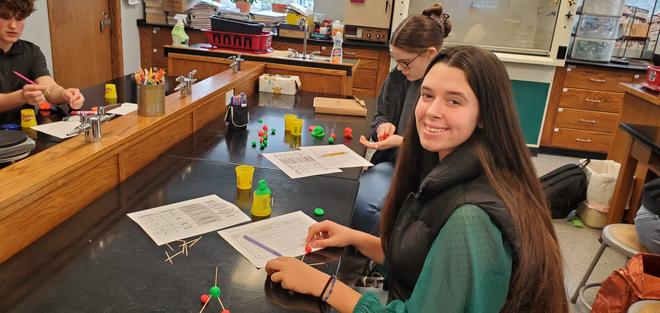
Distance: 25.9 mi
Gr: 5-12 | 119 students
Avg. class size: 16 students
Sports: 4 | Extracurriculars: 11
Baptist
1811 North Chemung Rd.
Breesport, NY 14816
(607) 739-3619
Distance: 9.1 mi
Gr: 1-8 | 33 students
Mennonite
5031 Jessop Rd
Dundee, NY 14837
(607) 243-8027
Distance: 10.3 mi
Gr: 1-8 | 21 students
Mennonite
1190 Earls Hill Rd
Penn Yan, NY 14527
(315) 536-2698
Distance: 11.1 mi
Gr: PK-6 | 72 students
Avg. class size: 13 students
Extracurriculars: 4
Montessori School
1608 Trumansburg Rd and 1872 Trumansburg Rd
Ithaca, NY 14850
(607) 272-0515
Distance: 13.4 mi
Gr: 1-8 | 23 students
Mennonite
2051 Porters Corners Rd
Dundee, NY 14837
(607) 243-7717
Distance: 14.1 mi
Gr: 1-8 | 22 students
Mennonite
1773 Haley Rd
Dundee, NY 14837
(607) 243-7658
Distance: 11.1 mi
Gr: PK-6 | 72 students
Avg. class size: 13 students
Extracurriculars: 4
Montessori School
1608 Trumansburg Rd and 1872 Trumansburg Rd
Ithaca, NY 14850
(607) 272-0515

Distance: 15.5 mi
Gr: NS-PK | 103 students
Avg. class size: 21 students
Montessori School
12 Ascot Pl
Ithaca, NY 14850
(607) 266-0788

Distance: 16.3 mi
Gr: PK-5 | 76 students
Catholic
214 Keuka St
Penn Yan, NY 14527
(315) 536-6112

Distance: 17.1 mi
Gr: PK-8 | 219 students
Avg. class size: 24 students
Montessori School
120 E King Rd
Ithaca, NY 14850
(607) 277-7335
Distance: 18.1 mi
Gr: PK-8 | 74 students
Avg. class size: 15 students
Extracurriculars: 7
Waldorf School
20 Nelson Rd
Ithaca, NY 14851
(607) 256-2020
School
(Math and Reading Proficiency)
Location
Miles
Quick Facts
South Seneca Elementary School
(Math: 15-19% | Reading: 10-14%)
Rank:
Rank:
1/
Bottom 50%10
8326 Main St
Interlaken, NY 14847
(607) 869-9636
6 miles
Gr: PK-5 | 286 students Student-Teacher Ratio: 8:1 Minority enrollment: 12%
Charles O Dickerson High School
(Math: 50-59% | Reading: 85-89%)
Rank:
Rank:
8/
Top 30%10
100 Whig St
Trumansburg, NY 14886
(607) 387-7551
6.5 miles
Gr: 9-12 | 271 students Student-Teacher Ratio: 9:1 Minority enrollment: 18%
Russell I Doig Middle School
(Math: 46% | Reading: 42%)
Rank:
Rank:
5/
Bottom 50%10
100 Whig St
Trumansburg, NY 14886
(607) 387-7551
6.5 miles
Gr: 5-8 | 277 students Student-Teacher Ratio: 7:1 Minority enrollment: 14%
Trumansburg Elementary School
(Math: 45-49% | Reading: 50-54%)
Rank:
Rank:
6/
Top 50%10
100 Whig St
Trumansburg, NY 14886
(607) 387-7551
6.5 miles
Gr: PK-4 | 409 students Student-Teacher Ratio: 11:1 Minority enrollment: 15%
South Seneca Middle/high School
(Math: 30-34% | Reading: 30-34%)
Rank:
Rank:
2/
Bottom 50%10
7263 S Main St
Ovid, NY 14521
(607) 869-9636
9.1 miles
Gr: 6-12 | 329 students Student-Teacher Ratio: 8:1 Minority enrollment: 7%
Recent Articles

Changing Academic Tracks at Private School
Discover how your child can change academic tracks at private school without falling behind, including course prerequisites, transition planning, graduation requirements, academic support, transcript implications, and future college admission considerations.

When Private Schools Cannot Offer Advanced Subjects
Discover what parents can do when private schools cannot offer advanced subjects, including alternative courses, independent study, college partnerships, graduation requirements, and strategies for maintaining academic progress and future opportunities.
Child Refuses Private School Activities
Learn why children refuse private school group activities, how schools respond, when participation becomes mandatory, and practical ways parents can address anxiety, resistance, social difficulties, and student confidence effectively.