



About the School
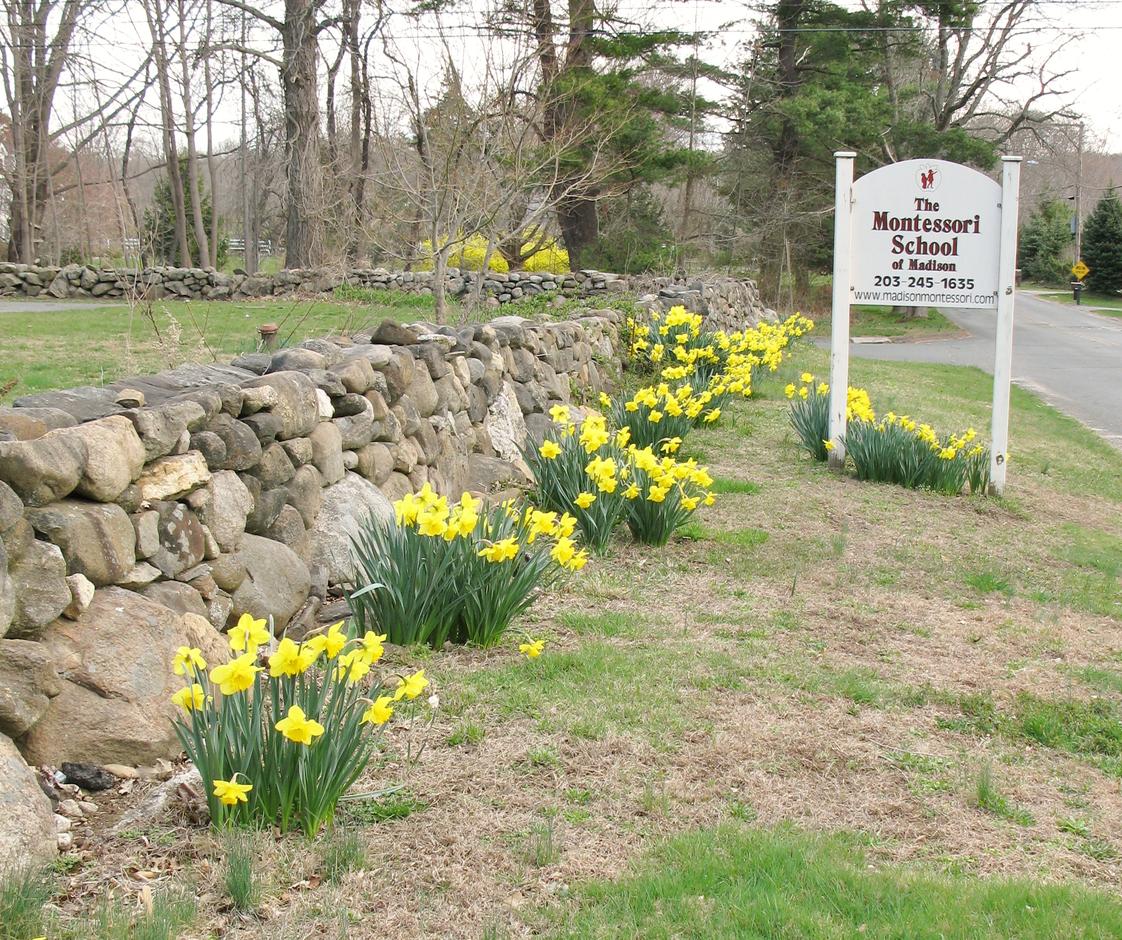
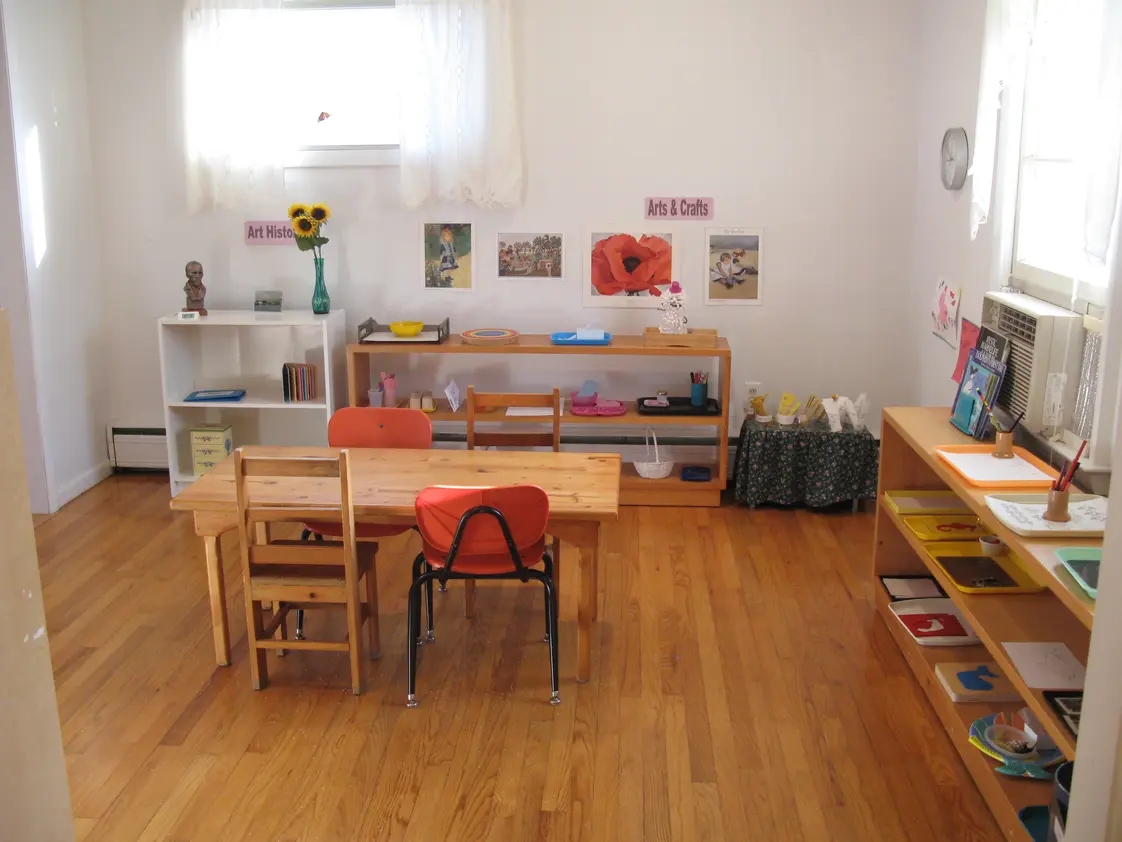
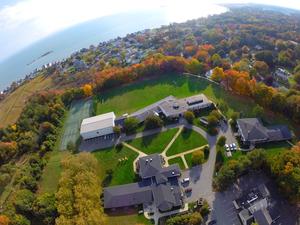
- Montessori School Of Madison is serving the Connecticut shoreline community since 1986.
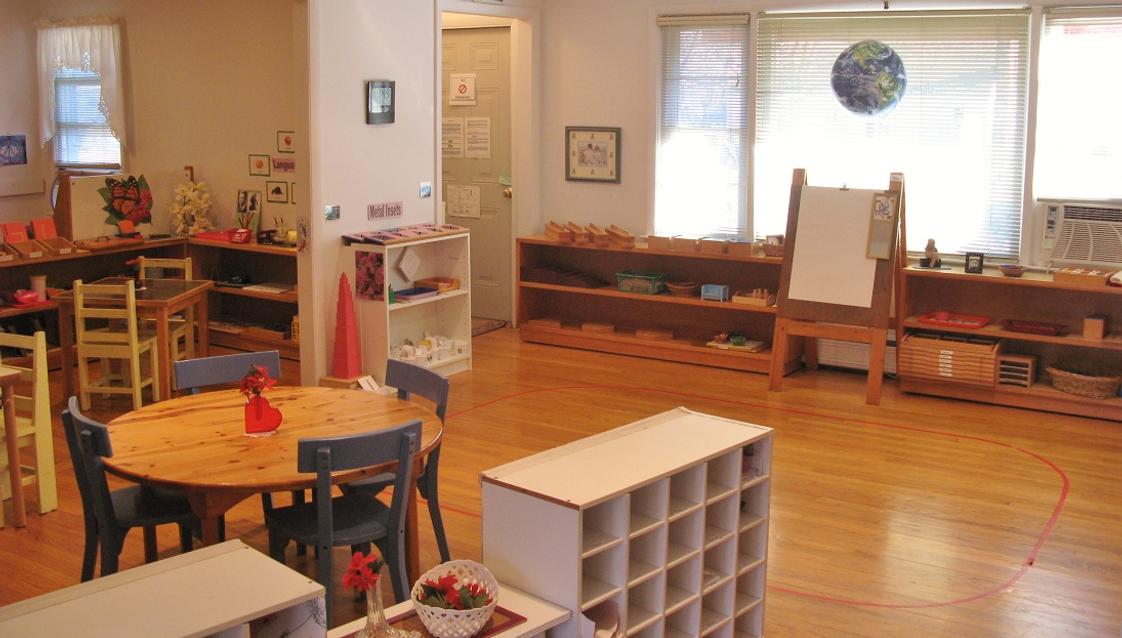
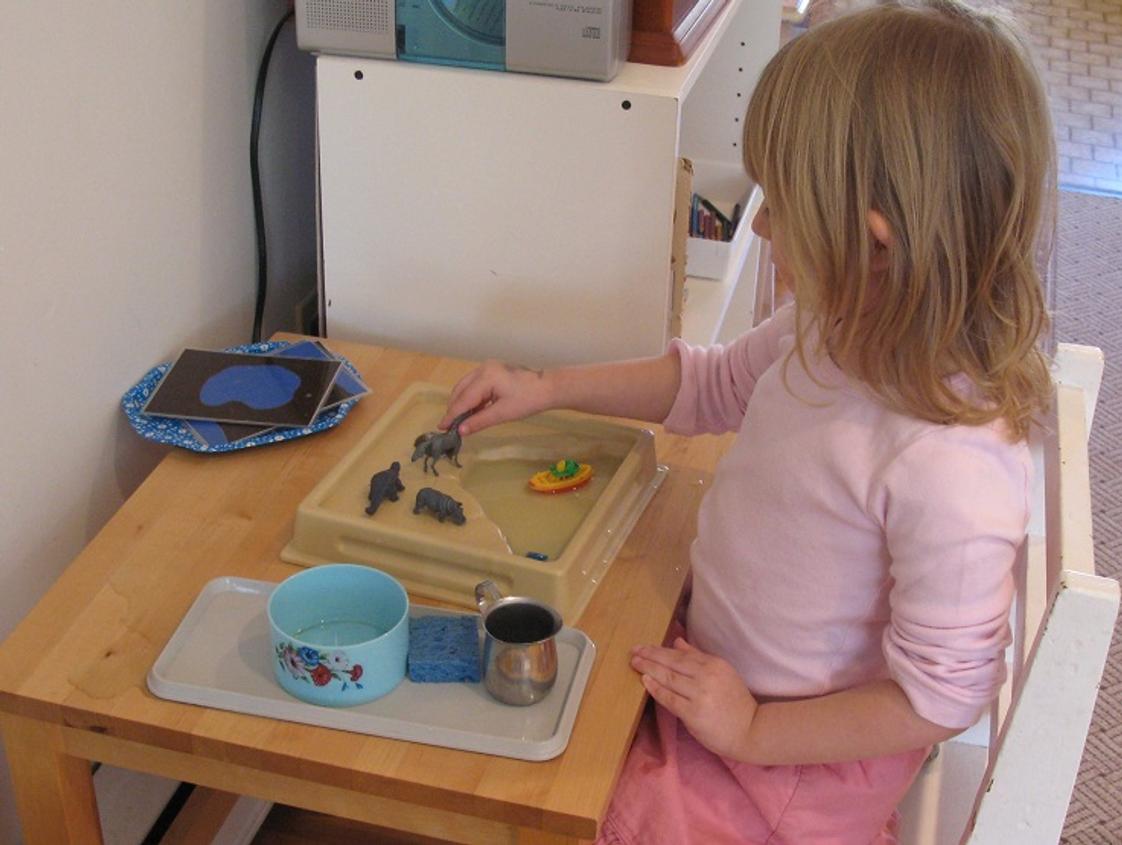
- Our school's aim is to help children build the foundations for a lifetime of creative learning, based on Dr. Maria Montessori's belief: that each child is unique; that each child should be helped to develop to his or her fullest potential; that the early years are critical; and that children should have every opportunity to strengthen positive attitudes toward themselves and toward learning during those years.
School Facts
School Type
Grades Offered
Grades Nursery/Preschool-Kindergarten
Students By Grade
Year Founded
1986
Summer School Offered
Yes
Student Body
Total Students
21 students
Student Body Type
Co-ed
% Students of Color
11%
State avg.: 31%
Academic Profile
Total Classroom Teachers
3 teachers
Student-Teacher Ratio
7:1
National avg.: 11:1
% Faculty w/Advanced Degree
34%
Average Class Size
15 students
Classroom Dress Code
Casual
Tuition & Financial Aid
Admission Deadline
Mar. 11 / Apr. 29
Acceptance Rate
90%
National avg.: 85%
School Notes
- Please see our website for details.
Source: Verified school update
Frequently Asked Questions
What is the acceptance rate of Montessori School Of Madison?
The acceptance rate of Montessori School Of Madison is 90%, which is higher than the national average of 72%.
When is the application deadline for Montessori School Of Madison?
The application deadline for Montessori School Of Madison is Mar. 11 / Apr. 29.
Related Schools
Show me:
People that viewed Montessori School Of Madison also viewed these schools: The Country School, The Foundation School Orange and Hilltop Montessori School.
The nearest high school and elementary school to Montessori School Of Madison is Grove School (0.9 miles away)
The nearest preschool is The Country School (2.2 miles away)
Show me:
Show me:
Distance: 2.2 mi
Gr: NS-8 | 196 students
Avg. class size: 15 students
Sports: 11 | Extracurriculars: 1
341 Opening Hill Road
Madison, CT 06443
(203) 421-3113
Distance: 22.1 mi
Gr: 1-11 | 21 students
Special Education School
719 Derby Milford Rd
Orange, CT 06477
(203) 795-6075
Distance: 940.3 mi
Gr: NS-8 | 182 students
Avg. class size: 22 students
Sports: 1
Montessori School
6 Abbott Square
Birmingham, AL 35242
(205) 437-9343
Distance: 22.1 mi
Gr: 1-11 | 21 students
Special Education School
719 Derby Milford Rd
Orange, CT 06477
(203) 795-6075
Distance: 2.2 mi
Gr: NS-8 | 196 students
Avg. class size: 15 students
Sports: 11 | Extracurriculars: 1
341 Opening Hill Road
Madison, CT 06443
(203) 421-3113
Distance: 22.1 mi
Gr: 1-11 | 21 students
Special Education School
719 Derby Milford Rd
Orange, CT 06477
(203) 795-6075
Distance: 940.3 mi
Gr: NS-8 | 182 students
Avg. class size: 22 students
Sports: 1
Montessori School
6 Abbott Square
Birmingham, AL 35242
(205) 437-9343
Distance: 2.2 mi
Gr: NS-8 | 196 students
Avg. class size: 15 students
Sports: 11 | Extracurriculars: 1
341 Opening Hill Road
Madison, CT 06443
(203) 421-3113
Distance: 940.3 mi
Gr: NS-8 | 182 students
Avg. class size: 22 students
Sports: 1
Montessori School
6 Abbott Square
Birmingham, AL 35242
(205) 437-9343
Distance: 0.9 mi
Gr: 7-12 | 94 students
Special Education School
175 Copse Rd
Madison, CT 06443
(203) 245-2778
Distance: 1.4 mi
Gr: 4-12 | 14 students
Avg. class size: 8 students
Alternative School
11 Woodland Road
Madison, CT 06443
(203) 433-4658

Distance: 1.8 mi
Gr: K-8 | 128 students
Avg. class size: 12 students
Sports: 14 | Extracurriculars: 7
Catholic
20 Island Avenue
Madison, CT 06443
(203) 689-5101
Distance: 2.2 mi
Gr: NS-8 | 196 students
Avg. class size: 15 students
Sports: 11 | Extracurriculars: 1
341 Opening Hill Road
Madison, CT 06443
(203) 421-3113
Distance: 3.6 mi
Gr: NS-PK | 53 students
Daycare / Preschool
1445 Boston Post Rd.
Guilford, CT 06437
(203) 453-8781
Distance: 0.9 mi
Gr: 7-12 | 94 students
Special Education School
175 Copse Rd
Madison, CT 06443
(203) 245-2778
Distance: 1.4 mi
Gr: 4-12 | 14 students
Avg. class size: 8 students
Alternative School
11 Woodland Road
Madison, CT 06443
(203) 433-4658
Distance: 9.7 mi
Gr: 8-12 | 48 students
Avg. class size: 1 student
Sports: 8 | Extracurriculars: 13
All-boys
1393 Boston Post Road
Westbrook, CT 06498
(860) 399-6247
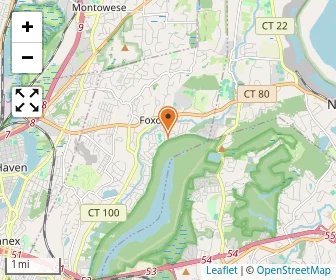
Distance: 11.0 mi
Gr: 6-12 | 28 students
Special Education School
1 Maple St
East Haven, CT 06512
(203) 745-4505
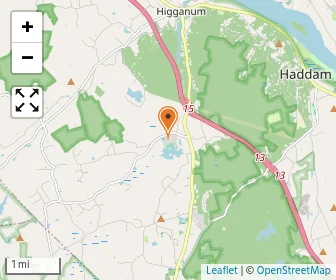
Distance: 12.1 mi
Gr: 8-12 | 9 students
Special Education School
95 Little City Rd
Higganum, CT 06441
(860) 554-5580
Distance: 0.9 mi
Gr: 7-12 | 94 students
Special Education School
175 Copse Rd
Madison, CT 06443
(203) 245-2778
Distance: 1.4 mi
Gr: 4-12 | 14 students
Avg. class size: 8 students
Alternative School
11 Woodland Road
Madison, CT 06443
(203) 433-4658
Distance: 1.8 mi
Gr: K-8 | 128 students
Avg. class size: 12 students
Sports: 14 | Extracurriculars: 7
Catholic
20 Island Avenue
Madison, CT 06443
(203) 689-5101
Distance: 2.2 mi
Gr: NS-8 | 196 students
Avg. class size: 15 students
Sports: 11 | Extracurriculars: 1
341 Opening Hill Road
Madison, CT 06443
(203) 421-3113
Distance: 9.7 mi
Gr: 8-12 | 48 students
Avg. class size: 1 student
Sports: 8 | Extracurriculars: 13
All-boys
1393 Boston Post Road
Westbrook, CT 06498
(860) 399-6247
Distance: 2.2 mi
Gr: NS-8 | 196 students
Avg. class size: 15 students
Sports: 11 | Extracurriculars: 1
341 Opening Hill Road
Madison, CT 06443
(203) 421-3113
Distance: 3.6 mi
Gr: NS-PK | 53 students
Daycare / Preschool
1445 Boston Post Rd.
Guilford, CT 06437
(203) 453-8781
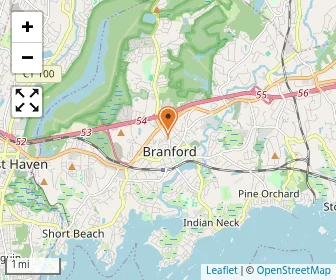
Distance: 9.8 mi
Gr: PK-8 | 226 students
Catholic
62 Cedar St
Branford, CT 06405
(203) 488-8386
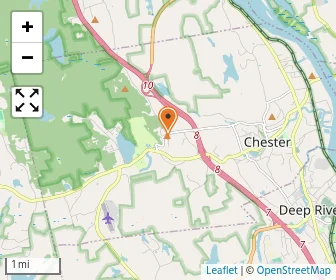
Distance: 10.6 mi
Gr: PK-K | 26 students
Montessori School
25 W. Main St
Chester, CT 06412
(860) 526-9995
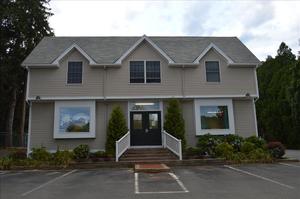
Distance: 11.3 mi
Gr: NS-PK
Daycare / Preschool
158 Westbrook Rd.
Essex, CT 06426
(860) 767-1072
School
(Math and Reading Proficiency)
(Math and Reading Proficiency)
Location
Miles
Quick Facts
Daniel Hand High School
(Math: 70% | Reading: 77%)
Rank:
Rank:
9/
Top 20%10
286 Green Hill Rd.
Madison, CT 06443
(203) 245-6350
Madison, CT 06443
(203) 245-6350
0.3 miles
Gr: 9-12 | 751 students Student-Teacher Ratio: 10:1 Minority enrollment: 18%
Walter C. Polson Middle School
(Math: 80% | Reading: 69%)
Rank:
Rank:
9/
Top 20%10
302 Green Hill Rd.
Madison, CT 06443
(203) 245-6480
Madison, CT 06443
(203) 245-6480
0.4 miles
Gr: 6-8 | 541 students Student-Teacher Ratio: 10:1 Minority enrollment: 20%
Calvin Leete School
(Math: 70-74% | Reading: 80-84%)
Rank:
Rank:
10/
Top 10%10
280 South Union St.
Guilford, CT 06437
(203) 453-2726
Guilford, CT 06437
(203) 453-2726
2.3 miles
Gr: K-4 | 213 students Student-Teacher Ratio: 12:1 Minority enrollment: 22%
E. C. Adams Middle School
(Math: 66% | Reading: 74%)
Rank:
Rank:
9/
Top 20%10
233 Church St.
Guilford, CT 06437
(203) 453-2755
Guilford, CT 06437
(203) 453-2755
3 miles
Gr: 7-8 | 478 students Student-Teacher Ratio: 10:1 Minority enrollment: 16%
Recent Articles

Who Handles Medication at a Private School?
Learn who handles student medication at private schools, what policies families should review, and which questions parents should ask about prescriptions, emergencies, storage, documentation, and daily administration.

Does Your Child Need a School With a Full-Time Nurse?
Learn when a full-time school nurse matters, how private schools handle medications, chronic conditions and emergencies, and which health-service questions parents should ask before enrolling their child.

The Course Availability Test: Are Classes Really Offered?
Learn how to verify whether private school catalog courses are actually offered each year, identify scheduling limitations, and ask better questions before choosing a school for your child today.