School Facts
Religious Affiliation
Grades Offered
Grades Prekindergarten-8
Students By Grade
School Calendar
Student Body
Total Students
237 students
Student Body Type
Co-ed
% Students of Color
41%
State avg.: 39%
Academic Profile
Total Classroom Teachers
15 teachers
Student-Teacher Ratio
16:1
National avg.: 11:1
Tuition & Financial Aid
Admission Deadline
None / Rolling
School Notes
- St. Bernard school consists of a kindergarten and nine grades.
- There are three divisions: the Junior School, Kindergarten and Grades I through III; the Middle School, Grades IV through VI; and the Upper School, Grades VII through IX. Kindergarten has two classes, and Grades I through III are divided into three sections.
- Grades IV through VIII are divided into two sections, with aproximately twenty boys in each section.
- There is one ninth grade class.
- The Junior School introduces boys to reading, writing, and arithmetic, to science, computer, and the arts, and to the very nature of school work, the habits of study, and cooperation.
- From the start boys do a considerable amount of creative writing, including poetry.
- With the support and encouragement of their teachers, it gives them a sense of the pleasure of learning.
- Kindergarten offers readiness activities in reading, mathematics, writing, and social studies.
- Classes in science, music, athletics, and visits to the library also figure into the curriculum.
- The arts are crucial to early development, and in addition to studio art and music, the school offers Junior School boys classes in crafts and carpentry.
- These are particularly useful in developing their dexterity and teaching them to plan and carry out a project.
- From this beginning we nurture and encourage qualities needed for all future schooling: independence joined to cooperate work and play, mutual respect, and flexibility.
- St. Bernard school consists of a kindergarten and nine grades.
- There are three divisions: the Junior School, Kindergarten and Grades I through III; the Middle School, Grades IV through VI; and the Upper School, Grades VII through IX. Kindergarten has two classes, and Grades I through III are divided into three sections.
- Grades IV through VIII are divided into two sections, with aproximately twenty boys in each section.
- There is one ninth grade class.
- The Junior School introduces boys to reading, writing, and arithmetic, to science, computer, and the arts, and to the very nature of school work, the habits of study, and cooperation.
- From the start boys do a considerable amount of creative writing, including poetry.
- With the support and encouragement of their teachers, it gives them a sense of the pleasure of learning.
- Kindergarten offers readiness activities in reading, mathematics, writing, and social studies.
- Classes in science, music, athletics, and visits to the library also figure into the curriculum.
- The arts are crucial to early development, and in addition to studio art and music, the school offers Junior School boys classes in crafts and carpentry.
- These are particularly useful in developing their dexterity and teaching them to plan and carry out a project.
- From this beginning we nurture and encourage qualities needed for all future schooling: independence joined to cooperate work and play, mutual respect, and flexibility.
Source: National Center for Education Statistics (NCES)
Frequently Asked Questions
When is the application deadline for St. Bernard School?
The application deadline for St. Bernard School is rolling (applications are reviewed as they are received year-round).
Related Schools
Show me:
People that viewed St. Bernard School also viewed these schools: Holy Trinity Diocesan High School, Holy Family School, Our Lady Of Mercy School, Grace Christian Academy and Friends Academy.
The nearest high school to St. Bernard School is Holy Trinity Diocesan High School (1.7 miles away)
The nearest elementary school is Long Island Catholic Elementary Schools - Department of Education (1.9 miles away)
The nearest preschool is Big Chiff Nursery School & Camp (1.7 miles away)
Show me:
Show me:
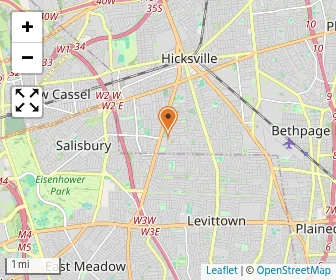
Distance: 1.7 mi
Gr: 9-12 | 677 students
Avg. class size: 30 students
Catholic
98 Cherry Ln
Hicksville, NY 11801
(516) 433-2900
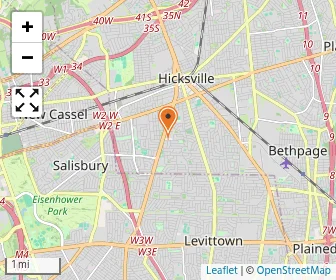
Distance: 2.0 mi
Gr: PK-8 | 296 students
Avg. class size: 20 students
Sports: 9 | Extracurriculars: 6
Catholic
17 Fordham Ave
Hicksville, NY 11801
(516) 938-3846
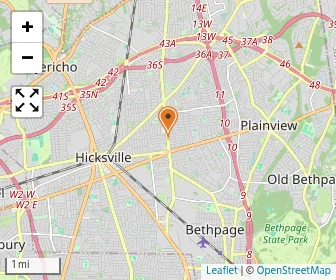
Distance: 3.5 mi
Gr: PK-8 | 301 students
Catholic
520 S Oyster Bay Rd
Hicksville, NY 11801
(516) 433-7040
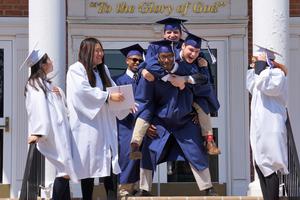
Distance: 4.3 mi
Gr: K-12 | 156 students
Avg. class size: 12 students
Sports: 6 | Extracurriculars: 10
Baptist
36 Smith Street
Merrick, NY 11566
(516) 379-2223
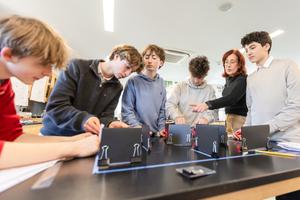
Distance: 10.5 mi
Gr: NS-12 | 769 students
Avg. class size: 12 students
Sports: 18 | Extracurriculars: 46
Friends
270 Duck Pond Road
Locust Valley, NY 11560
(516) 676-0393
Distance: 1.7 mi
Gr: 9-12 | 677 students
Avg. class size: 30 students
Catholic
98 Cherry Ln
Hicksville, NY 11801
(516) 433-2900
Distance: 4.3 mi
Gr: K-12 | 156 students
Avg. class size: 12 students
Sports: 6 | Extracurriculars: 10
Baptist
36 Smith Street
Merrick, NY 11566
(516) 379-2223
Distance: 10.5 mi
Gr: NS-12 | 769 students
Avg. class size: 12 students
Sports: 18 | Extracurriculars: 46
Friends
270 Duck Pond Road
Locust Valley, NY 11560
(516) 676-0393
Distance: 2.0 mi
Gr: PK-8 | 296 students
Avg. class size: 20 students
Sports: 9 | Extracurriculars: 6
Catholic
17 Fordham Ave
Hicksville, NY 11801
(516) 938-3846
Distance: 3.5 mi
Gr: PK-8 | 301 students
Catholic
520 S Oyster Bay Rd
Hicksville, NY 11801
(516) 433-7040
Distance: 4.3 mi
Gr: K-12 | 156 students
Avg. class size: 12 students
Sports: 6 | Extracurriculars: 10
Baptist
36 Smith Street
Merrick, NY 11566
(516) 379-2223
Distance: 10.5 mi
Gr: NS-12 | 769 students
Avg. class size: 12 students
Sports: 18 | Extracurriculars: 46
Friends
270 Duck Pond Road
Locust Valley, NY 11560
(516) 676-0393
Distance: 2.0 mi
Gr: PK-8 | 296 students
Avg. class size: 20 students
Sports: 9 | Extracurriculars: 6
Catholic
17 Fordham Ave
Hicksville, NY 11801
(516) 938-3846
Distance: 3.5 mi
Gr: PK-8 | 301 students
Catholic
520 S Oyster Bay Rd
Hicksville, NY 11801
(516) 433-7040
Distance: 10.5 mi
Gr: NS-12 | 769 students
Avg. class size: 12 students
Sports: 18 | Extracurriculars: 46
Friends
270 Duck Pond Road
Locust Valley, NY 11560
(516) 676-0393
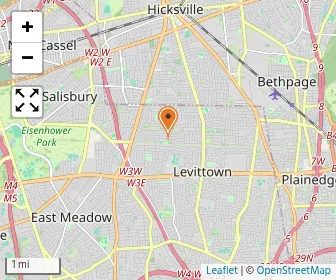
Distance: 0.8 mi
Gr: Inquire with school | 31 students
Special Education School
100 Periwinkle Rd
Levittown, NY 11756
(516) 216-5270
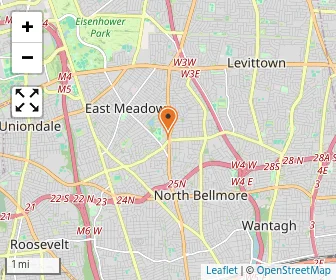
Distance: 1.7 mi
Gr: PK-K | 125 students
Daycare / Preschool
2427 N Jerusalem Rd
East Meadow, NY 11554
(516) 781-3900
Distance: 1.7 mi
Gr: 9-12 | 677 students
Avg. class size: 30 students
Catholic
98 Cherry Ln
Hicksville, NY 11801
(516) 433-2900
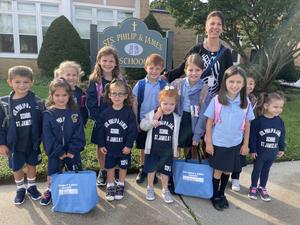
Distance: 1.9 mi
Gr: NS-8
Avg. class size: 20 students
Catholic
128 Cherry Lane
Hicksville, NY 11801
(516) 678-5800
Distance: 2.0 mi
Gr: PK-8 | 296 students
Avg. class size: 20 students
Sports: 9 | Extracurriculars: 6
Catholic
17 Fordham Ave
Hicksville, NY 11801
(516) 938-3846
Distance: 1.7 mi
Gr: 9-12 | 677 students
Avg. class size: 30 students
Catholic
98 Cherry Ln
Hicksville, NY 11801
(516) 433-2900
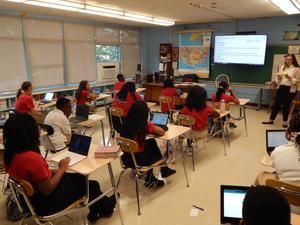
Distance: 2.9 mi
Gr: NS-9 | 210 students
Avg. class size: 15 students
Sports: 6 | Extracurriculars: 9
Lutheran Church Missouri Synod
40 W Nicholai St
Hicksville, NY 11801
(516) 931-2211
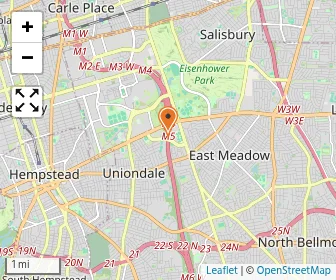
Distance: 3.1 mi
Gr: 6-12 | 2,512 students
Avg. class size: 20 students
Catholic
1400 Glenn Curtiss Blvd
Uniondale, NY 11553
(516) 292-0200
Distance: 4.3 mi
Gr: K-12 | 156 students
Avg. class size: 12 students
Sports: 6 | Extracurriculars: 10
Baptist
36 Smith Street
Merrick, NY 11566
(516) 379-2223
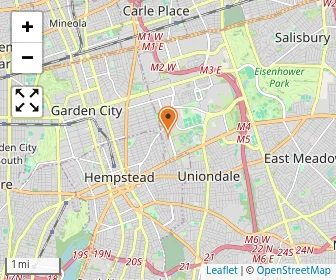
Distance: 4.5 mi
Gr: 7-12 | 463 students
Jewish
215 Oak St
Uniondale, NY 11553
(516) 538-8161
Distance: 1.9 mi
Gr: NS-8
Avg. class size: 20 students
Catholic
128 Cherry Lane
Hicksville, NY 11801
(516) 678-5800
Distance: 2.0 mi
Gr: PK-8 | 296 students
Avg. class size: 20 students
Sports: 9 | Extracurriculars: 6
Catholic
17 Fordham Ave
Hicksville, NY 11801
(516) 938-3846
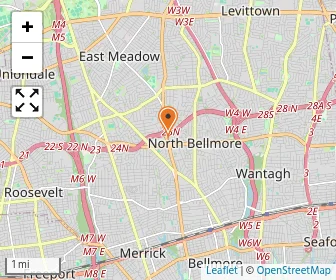
Distance: 2.4 mi
Gr: PK-1 | 122 students
1149 Newbridge Rd
Bellmore, NY 11710
(516) 785-3311
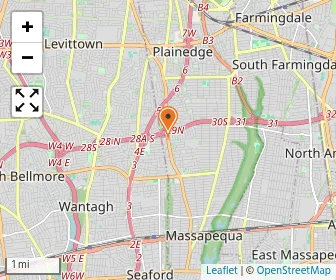
Distance: 2.6 mi
Gr: PK-6 | 258 students
Special Education School
750 Hicksville Rd
Seaford, NY 11783
(516) 520-6000
Distance: 2.9 mi
Gr: NS-9 | 210 students
Avg. class size: 15 students
Sports: 6 | Extracurriculars: 9
Lutheran Church Missouri Synod
40 W Nicholai St
Hicksville, NY 11801
(516) 931-2211
Distance: 1.7 mi
Gr: PK-K | 125 students
Daycare / Preschool
2427 N Jerusalem Rd
East Meadow, NY 11554
(516) 781-3900
Distance: 1.9 mi
Gr: NS-8
Avg. class size: 20 students
Catholic
128 Cherry Lane
Hicksville, NY 11801
(516) 678-5800
Distance: 2.0 mi
Gr: PK-8 | 296 students
Avg. class size: 20 students
Sports: 9 | Extracurriculars: 6
Catholic
17 Fordham Ave
Hicksville, NY 11801
(516) 938-3846
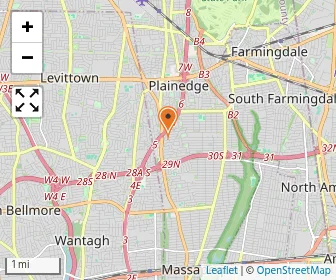
Distance: 2.3 mi
Gr: PK-K | 60 students
Montessori School
98 Jerusalem Ave
Massapequa, NY 11758
(516) 541-6365
Distance: 2.4 mi
Gr: PK-1 | 122 students
1149 Newbridge Rd
Bellmore, NY 11710
(516) 785-3311
School
(Math and Reading Proficiency)
(Math and Reading Proficiency)
Location
Miles
Quick Facts
Abbey Lane School
(Math: 65-69% | Reading: 40-44%)
Rank:
Rank:
6/
Top 50%10
239 Gardiners Ave
Levittown, NY 11756
(516) 434-7402
Levittown, NY 11756
(516) 434-7402
0.4 miles
Gr: K-5 | 607 students Student-Teacher Ratio: 12:1 Minority enrollment: 58%
Division Avenue Senior High School
(Math: 75-79% | Reading: 80-84%)
Rank:
Rank:
10/
Top 10%10
120 Division Ave
Levittown, NY 11756
(516) 434-7155
Levittown, NY 11756
(516) 434-7155
0.4 miles
Gr: 9-12 | 1,044 students Student-Teacher Ratio: 11:1 Minority enrollment: 58%
Summit Lane School
(Math: 70-74% | Reading: 60-64%)
Rank:
Rank:
9/
Top 20%10
4 Summit Ln
Levittown, NY 11756
(516) 434-7526
Levittown, NY 11756
(516) 434-7526
0.4 miles
Gr: K-5 | 376 students Student-Teacher Ratio: 12:1 Minority enrollment: 64%
Wisdom Lane Middle School
(Math: 84% | Reading: 58%)
Rank:
Rank:
9/
Top 20%10
120 Center Ln
Levittown, NY 11756
(516) 434-7304
Levittown, NY 11756
(516) 434-7304
0.4 miles
Gr: 6-8 | 765 students Student-Teacher Ratio: 10:1 Minority enrollment: 60%
Gardiners Avenue School
(Math: 70-74% | Reading: 60-64%)
Rank:
Rank:
9/
Top 20%10
610 Gardiners Ave
Levittown, NY 11756
(516) 434-7451
Levittown, NY 11756
(516) 434-7451
1 miles
Gr: K-5 | 542 students Student-Teacher Ratio: 12:1 Minority enrollment: 41%
Recent Articles

Private School Tuition Insurance: Is It Worth Buying?
Is private school tuition insurance worth buying? Learn what policies cover, compare costs and exclusions, and decide whether protecting your tuition investment makes financial sense for your family.

Medical Leave and Private School Tuition: Parent Guide
What happens to private school tuition during medical leave? Learn about refunds, tuition insurance, enrollment contracts, financial aid, and protecting your child's education while managing unexpected medical expenses and recovery.
Private School Commute: Is the Travel Time Worth It?
Is the commute to private school worth it? Learn how to calculate travel time, protect family routines, assess student well-being, and decide whether a longer journey makes educational sense.