




School Facts
Religious Affiliation
Grades Offered
Grades 1-9
Year Founded
1893
School Calendar
Student Body
Student Body Type
Co-ed
Tuition & Financial Aid
Admission Deadline
None / Rolling
Yearly Tuition Cost
$29,561
Admissions Director
Whendy Carter
School Notes
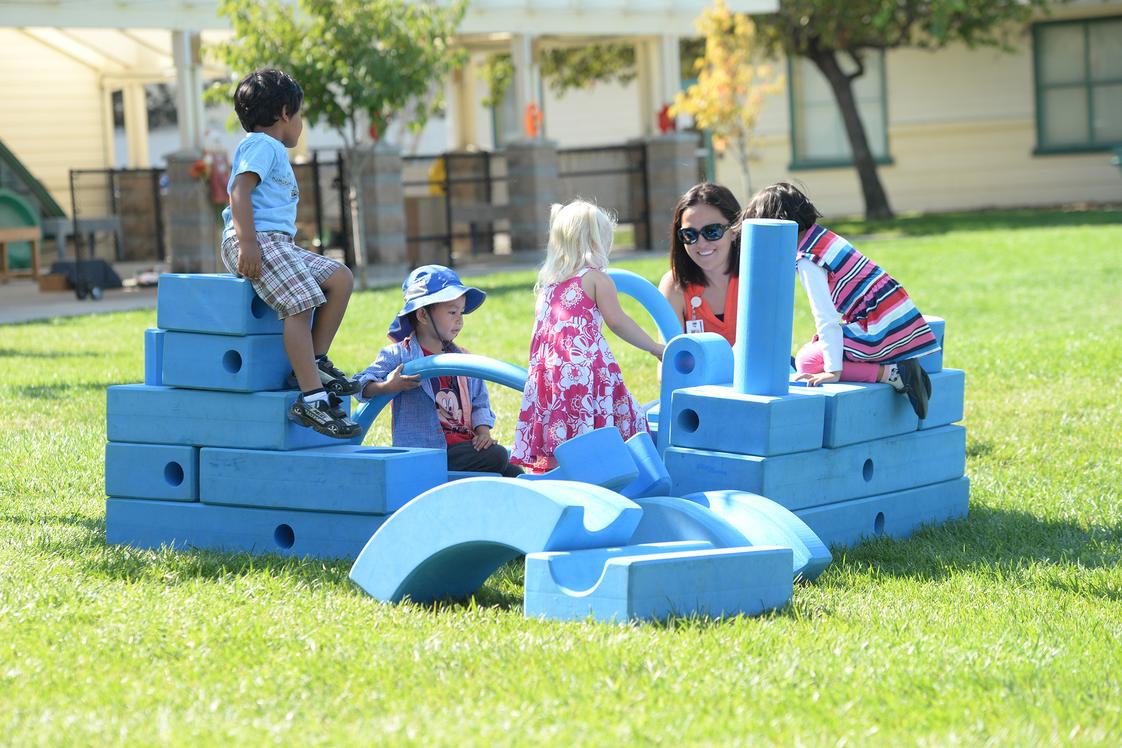
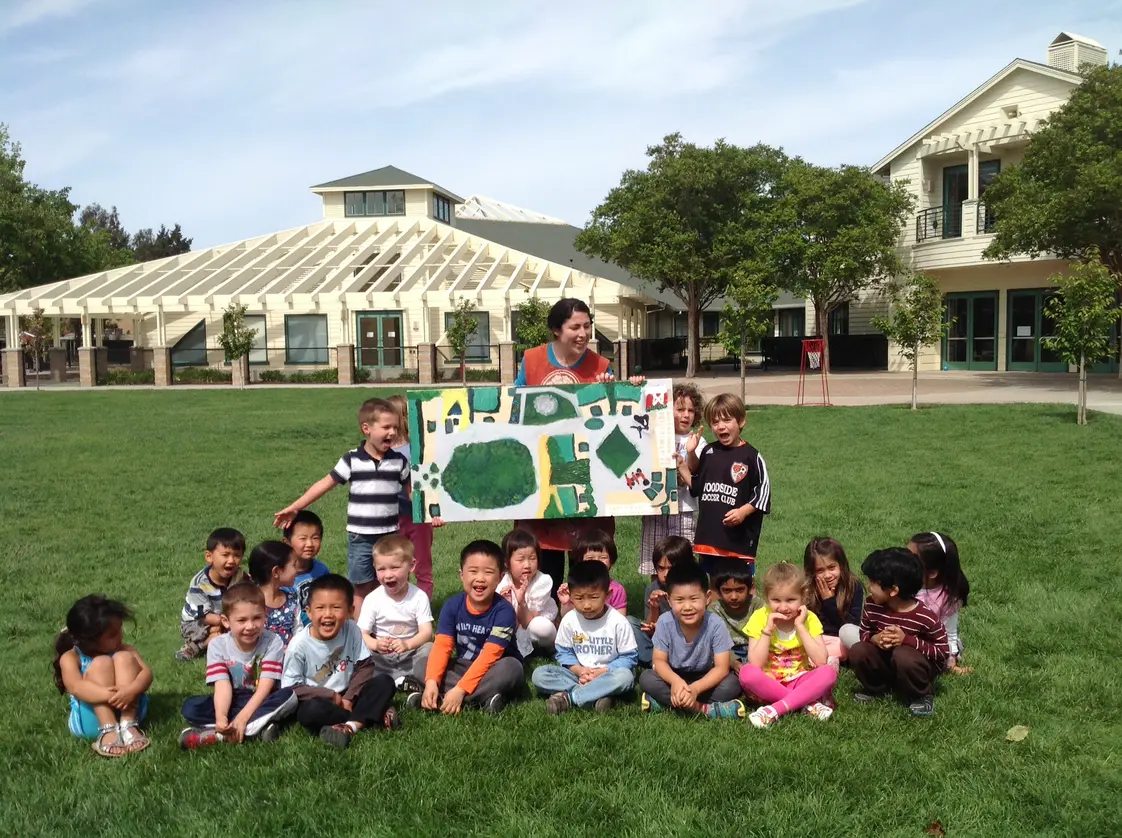
- The Harker School believes it is responsible for fostering academic excellence, self-discovery and personal integrity.
- Our student body reflects the diverse Bay Area population, where each individual benefits from the intellectual, ethical and cultural strengths of the community. Clear expectations, and rules and consequences create a learning environment that promotes self-discipline and responsibility.
- Outstanding faculty and small class sizes are essential components of The Harker School.
- Academic specialists make the most effective teachers and beginning with the primary level, these trained specialists teach all subjects including science, foreign language, music, drama, dance, technology, physical education, library skills and art. State of the art facilities and the best resources are an integral part of the stimulating, inspirational and safe learning environment.
- Our curriculum is challenging, and constantly evolving to meet the needs of students.
- Through comprehensive teaching techniques and support systems we address individual student needs.
- We empower students to discover and develop their personal academic and extra curricular strengths; leadership, service, ethics and physical health are important elements of our curricular design.
- The Harker School believes it is responsible for fostering academic excellence, self-discovery and personal integrity.
- Our student body reflects the diverse Bay Area population, where each individual benefits from the intellectual, ethical and cultural strengths of the community. Clear expectations, and rules and consequences create a learning environment that promotes self-discipline and responsibility.
- Outstanding faculty and small class sizes are essential components of The Harker School.
- Academic specialists make the most effective teachers and beginning with the primary level, these trained specialists teach all subjects including science, foreign language, music, drama, dance, technology, physical education, library skills and art.
- State of the art facilities and the best resources are an integral part of the stimulating, inspirational and safe learning environment.
- Our curriculum is challenging, and constantly evolving to meet the needs of students.
- Through comprehensive teaching techniques and support systems we address individual student needs.
- We empower students to discover and develop their personal academic and extra curricular strengths; leadership, service, ethics and physical health are important elements of our curricular design.
Source: Verified school update
Frequently Asked Questions
How much does The Harker School cost?
The Harker School's tuition is approximately $29,561 for private students.
When is the application deadline for The Harker School?
The application deadline for The Harker School is rolling (applications are reviewed as they are received year-round).
In what neighborhood is The Harker School located?
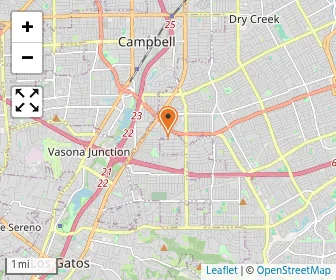
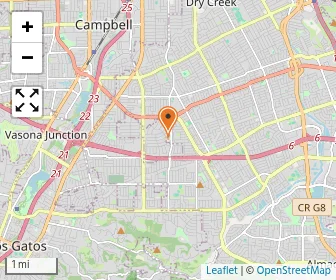
The Harker School is located in the Cambrian neighborhood of San Jose, CA. There are 2 other private schools located in Cambrian.
Related Schools
Show me:
People that viewed The Harker School also viewed these schools: SAGE Academy, Challenger School - Harwood and Stratford San Jose Middle School.
The nearest high school to The Harker School is Beacon School (2.1 miles away)
The nearest elementary school is The Harker School Middle School (0.0 miles away)
The nearest preschool is St. Frances Cabrini Catholic School (0.4 miles away)
Show me:
Show me:
Distance: 2.4 mi
Gr: K-12 | 29 students
Avg. class size: 10 students
Extracurriculars: 14
Alternative School
1 W Campbell Ave (Building J)
Campbell, CA 95008
(408) 898-8627
Distance: 1.2 mi
Gr: NS-5
Extracurriculars: 7
4949 Harwood Road
San Jose, CA 95124
(408) 723-0111
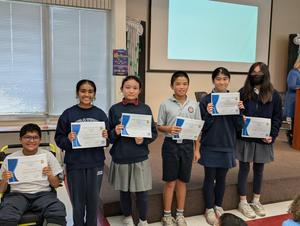
Distance: 1.3 mi
Gr: 5-8 | 324 students
Sports: 4 | Extracurriculars: 5
1718 Andover Lane
San Jose, CA 95124
(408) 637-5697
Distance: 2.4 mi
Gr: K-12 | 29 students
Avg. class size: 10 students
Extracurriculars: 14
Alternative School
1 W Campbell Ave (Building J)
Campbell, CA 95008
(408) 898-8627
Distance: 2.4 mi
Gr: K-12 | 29 students
Avg. class size: 10 students
Extracurriculars: 14
Alternative School
1 W Campbell Ave (Building J)
Campbell, CA 95008
(408) 898-8627
Distance: 1.2 mi
Gr: NS-5
Extracurriculars: 7
4949 Harwood Road
San Jose, CA 95124
(408) 723-0111
Distance: 1.3 mi
Gr: 5-8 | 324 students
Sports: 4 | Extracurriculars: 5
1718 Andover Lane
San Jose, CA 95124
(408) 637-5697
Distance: 1.2 mi
Gr: NS-5
Extracurriculars: 7
4949 Harwood Road
San Jose, CA 95124
(408) 723-0111
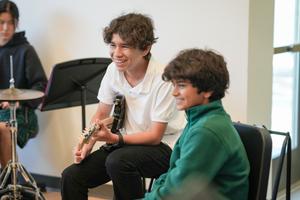
Gr: 6-8 | 528 students
Avg. class size: 9 students
Sports: 16 | Extracurriculars: 7
4525 Union Avenue
San Jose, CA 95124
(408) 248-2510
Distance: 0.4 mi
Gr: PK-8 | 485 students
Catholic
15325 Woodard Rd
San Jose, CA 95124
(408) 377-6545

Distance: 0.5 mi
Gr: PK-K | 202 students
Daycare / Preschool
4115 Jacksol Dr Bldg 3
San Jose, CA 95124
(408) 559-7284
Distance: 0.6 mi
Gr: 2 | 65 students
1919 Gunston Way
San Jose, CA 95124
(408) 314-7060

Distance: 0.6 mi
Gr: PK-K | 33 students
Montessori School
4343 Leigh Ave
San Jose, CA 95124
(408) 615-1254
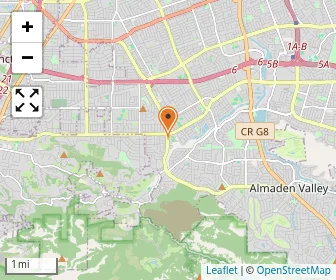
Distance: 2.1 mi
Gr: 6-12 | 43 students
Special Education School
5670 Camden Avenue
San Jose, CA 95124
(408) 265-8611
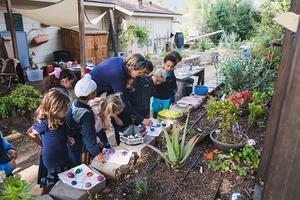
Distance: 2.2 mi
Gr: PK-12 | 487 students
Avg. class size: 15 students
Sports: 8 | Extracurriculars: 10
300 Marchmont Dr
Los Gatos, CA 95032
(408) 356-6116
Distance: 2.4 mi
Gr: K-12 | 29 students
Avg. class size: 10 students
Extracurriculars: 14
Alternative School
1 W Campbell Ave (Building J)
Campbell, CA 95008
(408) 898-8627
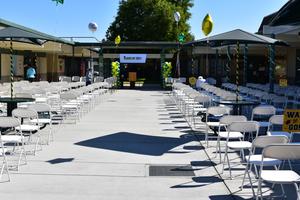
Distance: 2.5 mi
Gr: 1-12 | 87 students
Avg. class size: 10 students
Special Education School
1325 Bouret Dr
San Jose, CA 95118
(408) 979-8210
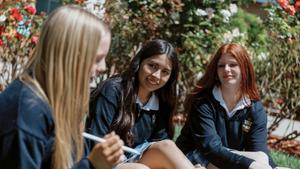
Distance: 2.7 mi
Gr: 9-12 | 550 students
Avg. class size: 22 students
Sports: 16 | Extracurriculars: 46
All-girls (Catholic)
2281 Plummer Avenue
San Jose, CA 95125
(408) 264-1664
Gr: 6-8 | 528 students
Avg. class size: 9 students
Sports: 16 | Extracurriculars: 7
4525 Union Avenue
San Jose, CA 95124
(408) 248-2510
Distance: 0.4 mi
Gr: PK-8 | 485 students
Catholic
15325 Woodard Rd
San Jose, CA 95124
(408) 377-6545
Distance: 0.6 mi
Gr: 2 | 65 students
1919 Gunston Way
San Jose, CA 95124
(408) 314-7060

Distance: 1.1 mi
Gr: PK-6 | 53 students
Alternative School
2798 S Bascom Ave
San Jose, CA 95124
(408) 559-1581
Distance: 1.1 mi
Gr: PK-4 | 435 students
Extracurriculars: 5
220 Kensington Way
Los Gatos, CA 95032
(408) 882-9096
Distance: 0.4 mi
Gr: PK-8 | 485 students
Catholic
15325 Woodard Rd
San Jose, CA 95124
(408) 377-6545
Distance: 0.5 mi
Gr: PK-K | 202 students
Daycare / Preschool
4115 Jacksol Dr Bldg 3
San Jose, CA 95124
(408) 559-7284
Distance: 0.6 mi
Gr: PK-K | 33 students
Montessori School
4343 Leigh Ave
San Jose, CA 95124
(408) 615-1254
Distance: 1.1 mi
Gr: PK-6 | 53 students
Alternative School
2798 S Bascom Ave
San Jose, CA 95124
(408) 559-1581
Distance: 1.1 mi
Gr: PK-4 | 435 students
Extracurriculars: 5
220 Kensington Way
Los Gatos, CA 95032
(408) 882-9096
School
(Math and Reading Proficiency)
(Math and Reading Proficiency)
Location
Miles
Quick Facts
Farnham Charter
Charter School
(Math: 65-69% | Reading: 67%)
Rank:
Rank:
9/
Top 20%10
15711 Woodard Rd.
San Jose, CA 95124
(408) 377-3321
San Jose, CA 95124
(408) 377-3321
0.7 miles
Gr: K-5 | 372 students Student-Teacher Ratio: 23:1 Minority enrollment: 76%
Oster Elementary School
(Math: 81% | Reading: 81%)
Rank:
Rank:
10/
Top 5%10
1855 Lencar Way
San Jose, CA 95124
(408) 266-8121
San Jose, CA 95124
(408) 266-8121
0.7 miles
Gr: K-5 | 627 students Student-Teacher Ratio: 26:1 Minority enrollment: 76%
Carlton Elementary School
(Math: 83% | Reading: 84%)
Rank:
Rank:
10/
Top 5%10
2421 Carlton Ave.
San Jose, CA 95124
(408) 356-1141
San Jose, CA 95124
(408) 356-1141
0.8 miles
Gr: K-5 | 656 students Student-Teacher Ratio: 25:1 Minority enrollment: 69%
Union Middle School
(Math: 81% | Reading: 80%)
Rank:
Rank:
10/
Top 5%10
2130 Los Gatos-almaden Rd.
San Jose, CA 95124
(408) 371-0366
San Jose, CA 95124
(408) 371-0366
0.8 miles
Gr: 6-8 | 1,068 students Student-Teacher Ratio: 24:1 Minority enrollment: 64%
Leigh High School
(Math: 68% | Reading: 78%)
Rank:
Rank:
10/
Top 10%10
5210 Leigh Ave.
San Jose, CA 95124
(408) 626-3405
San Jose, CA 95124
(408) 626-3405
1 miles
Gr: 9-12 | 1,884 students Student-Teacher Ratio: 24:1 Minority enrollment: 60%
Recent Articles

Private School Tuition Insurance: Is It Worth Buying?
Is private school tuition insurance worth buying? Learn what policies cover, compare costs and exclusions, and decide whether protecting your tuition investment makes financial sense for your family.

Medical Leave and Private School Tuition: Parent Guide
What happens to private school tuition during medical leave? Learn about refunds, tuition insurance, enrollment contracts, financial aid, and protecting your child's education while managing unexpected medical expenses and recovery.
Private School Commute: Is the Travel Time Worth It?
Is the commute to private school worth it? Learn how to calculate travel time, protect family routines, assess student well-being, and decide whether a longer journey makes educational sense.