

About the School
- Weaverland School in East Earl, PA, serves 24 co–ed students in grades 1 through 8 within a rural community setting.
- The school operates as a religiously affiliated alternative school with a Catholic orientation and employs two teachers, resulting in a student–teacher ratio of 12:1.
- Tuition information is not provided; however, the school is located near other private schools in the Lancaster area with average elementary tuition of $11,047.
- Nearby private schools include Union Grove Mennonite School and Center Parochial School, which serve a larger student population and similar grade ranges.
School Facts
School Type
Religious Affiliation
Grades Offered
Grades 1-8
Students By Grade
Student Body
Total Students
24 students
Student Body Type
Co-ed
Academic Profile
Total Classroom Teachers
2 teachers
Student-Teacher Ratio
12:1
National avg.: 11:1
Tuition & Financial Aid
Admission Deadline
None / Rolling
Frequently Asked Questions
When is the application deadline for Weaverland School?
The application deadline for Weaverland School is rolling (applications are reviewed as they are received year-round).
Nearby Private Schools
The nearest high school and elementary school to Weaverland School is Union Grove Mennonite School (0.6 miles away)
The nearest preschool is Twin Valley Bible Academy (4.1 miles away)
Show me:

Distance: 0.6 mi
Gr: 1-9 | 112 students
Mennonite
1508 Union Grove Rd
East Earl, PA 17519
(717) 445-7206

Distance: 0.9 mi
Gr: 1-8 | 37 students
Mennonite
571 Reading Road
East Earl, PA 17519
(717) 663-9468

Distance: 0.9 mi
Gr: 9-12 | 99 students
Mennonite
1416 Union Grove Rd
Terre Hill, PA 17581
(717) 445-4618

Distance: 1.0 mi
Gr: K-8 | 168 students
Mennonite
1410 Union Grove Rd
Terre Hill, PA 17581
(717) 445-7020

Distance: 1.9 mi
Gr: 1-8 | 30 students
Mennonite
5704 Division Hwy
Narvon, PA 17555
(717) 445-5660
Distance: 0.6 mi
Gr: 1-9 | 112 students
Mennonite
1508 Union Grove Rd
East Earl, PA 17519
(717) 445-7206
Distance: 0.9 mi
Gr: 9-12 | 99 students
Mennonite
1416 Union Grove Rd
Terre Hill, PA 17581
(717) 445-4618
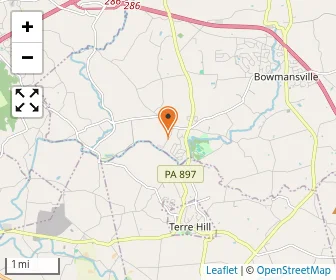
Distance: 3.5 mi
Gr: 1-10 | 45 students
Mennonite
988 Beam Rd
Denver, PA 17517
(717) 445-8529

Distance: 4.1 mi
Gr: PK-12 | 44 students
Avg. class size: 6 students
Sports: 3 | Extracurriculars: 5
Alternative School (Christian)
105 Shirktown Rd
Narvon, PA 17555
(610) 286-6646

Distance: 4.3 mi
Gr: 1-10 | 53 students
Mennonite
3030 Division Hwy
New Holland, PA 17557
(717) 354-7266
Distance: 0.6 mi
Gr: 1-9 | 112 students
Mennonite
1508 Union Grove Rd
East Earl, PA 17519
(717) 445-7206
Distance: 0.9 mi
Gr: 1-8 | 37 students
Mennonite
571 Reading Road
East Earl, PA 17519
(717) 663-9468
Distance: 1.0 mi
Gr: K-8 | 168 students
Mennonite
1410 Union Grove Rd
Terre Hill, PA 17581
(717) 445-7020
Distance: 1.9 mi
Gr: 1-8 | 30 students
Mennonite
5704 Division Hwy
Narvon, PA 17555
(717) 445-5660

Distance: 3.0 mi
Gr: K-8 | 33 students
Mennonite
1170 E Earl Rd
East Earl, PA 17519
(717) 355-5183
Distance: 4.1 mi
Gr: PK-12 | 44 students
Avg. class size: 6 students
Sports: 3 | Extracurriculars: 5
Alternative School (Christian)
105 Shirktown Rd
Narvon, PA 17555
(610) 286-6646
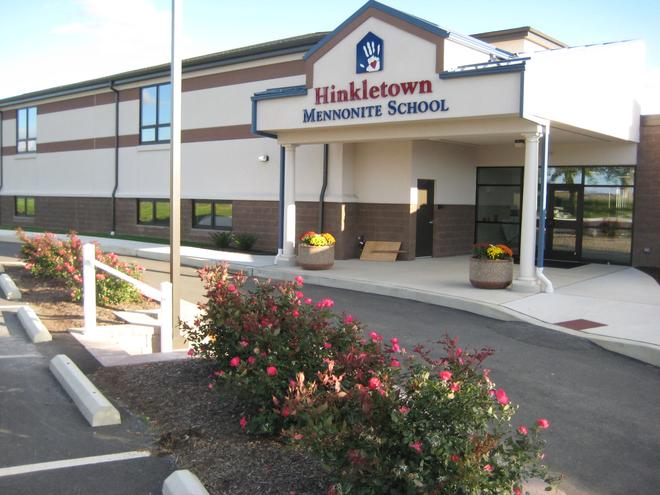
Distance: 4.6 mi
Gr: PK-12 | 259 students
Avg. class size: 20 students
Sports: 5 | Extracurriculars: 14
Mennonite
272 Wanner Road
Ephrata, PA 17522
(717) 354-7100
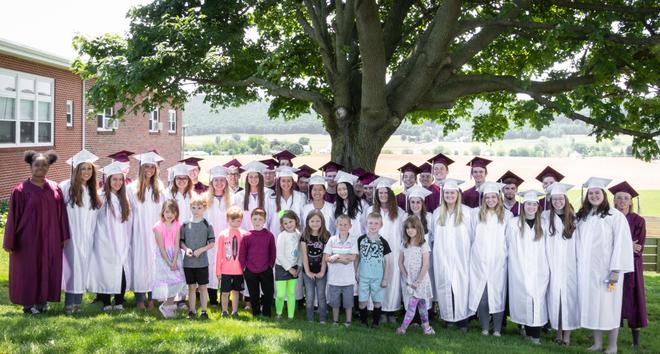
Distance: 5.6 mi
Gr: PK-12 | 308 students
Avg. class size: 17 students
Sports: 6 | Extracurriculars: 9
Christian
2760 Main St
Morgantown, PA 19543
(610) 286-0353

Distance: 5.8 mi
Gr: PK-K | 114 students
Daycare / Preschool (Mennonite)
18 Western Ave
New Holland, PA 17557
(717) 354-4440

Distance: 7.3 mi
Gr: NS-K
Daycare / Preschool
2201 Valley Road
Morgantown, PA 19543
(610) 286-3300
School
(Math and Reading Proficiency)
Location
Miles
Quick Facts
Blue Ball Elementary School
(Math: 43% | Reading: 51%)
Rank:
Rank:
5/
Bottom 50%10
126 Ewell Rd
East Earl, PA 17519
(717) 354-1525
2.1 miles
Gr: K-6 | 374 students Student-Teacher Ratio: 10:1 Minority enrollment: 16%
Garden Spot Middle School
(Math: 22% | Reading: 48%)
Rank:
Rank:
3/
Bottom 50%10
669 E Main St # 609
New Holland, PA 17557
(717) 354-1561
3.7 miles
Gr: 7-8 | 404 students Student-Teacher Ratio: 11:1 Minority enrollment: 23%
Garden Spot Sr. High School
(Math: 45-49% | Reading: 70-74%)
Rank:
Rank:
8/
Top 30%10
669 E Main St
New Holland, PA 17557
(717) 354-1555
3.7 miles
Gr: 9-12 | 865 students Student-Teacher Ratio: 14:1 Minority enrollment: 24%
Brecknock Elementary School
(Math: 38% | Reading: 51%)
Rank:
Rank:
4/
Bottom 50%10
361 School Rd
Denver, PA 17517
(717) 445-8600
3.8 miles
Gr: K-6 | 441 students Student-Teacher Ratio: 12:1 Minority enrollment: 22%
New Holland Elementary School
(Math: 38% | Reading: 45%)
Rank:
Rank:
4/
Bottom 50%10
126 Eastern School Rd
New Holland, PA 17557
(717) 354-1520
5.1 miles
Gr: K-6 | 484 students Student-Teacher Ratio: 11:1 Minority enrollment: 29%
Recent Articles

Changing Academic Tracks at Private School
Discover how your child can change academic tracks at private school without falling behind, including course prerequisites, transition planning, graduation requirements, academic support, transcript implications, and future college admission considerations.

When Private Schools Cannot Offer Advanced Subjects
Discover what parents can do when private schools cannot offer advanced subjects, including alternative courses, independent study, college partnerships, graduation requirements, and strategies for maintaining academic progress and future opportunities.

Child Refuses Private School Activities
Learn why children refuse private school group activities, how schools respond, when participation becomes mandatory, and practical ways parents can address anxiety, resistance, social difficulties, and student confidence effectively.