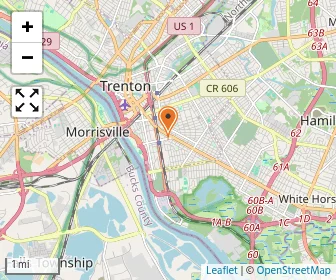
About the School
- Holy Cross School in Trenton, NJ, serves 254 co–ed students from preschool through eighth grade in a central city setting.
- The school maintains a student–teacher ratio of 25:1 with 10 teaching staff members.
- Founded as a Catholic institution, Holy Cross School is affiliated with the National Catholic Educational Association (NCEA).
- Approximately 62% of the student body represents students of color, reflecting the diversity of the local community.
- As a central city Catholic K–8 private school, Holy Cross offers education from early childhood through middle school.
School Facts
Student Body
Total Students
254 students
Student Body Type
Co-ed
% Students of Color
62%
State avg.: 40%
Academic Profile
Total Classroom Teachers
10 teachers
Student-Teacher Ratio
25:1
National avg.: 11:1
Tuition & Financial Aid
Admission Deadline
None / Rolling
Frequently Asked Questions
When is the application deadline for Holy Cross School?
The application deadline for Holy Cross School is rolling (applications are reviewed as they are received year-round).
Nearby Private Schools
The nearest high school and preschool to Holy Cross School is Sprout U School Of The Arts (1.3 miles away)
The nearest elementary school is Sacred Heart School-trenton (0.9 miles away)
Show me:
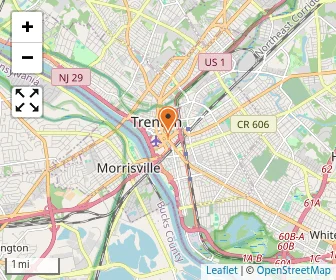
Distance: 0.9 mi
Gr: K-8 | 178 students
Catholic
333 South Broad Street
Trenton, NJ 08608
(609) 393-2801
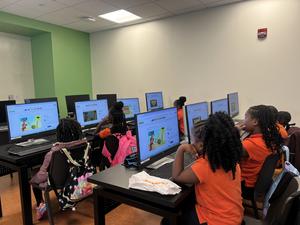
Distance: 1.3 mi
Gr: NS-12 | 78 students
Sports: 22
Specialized Curriculum (Catholic)
137 North Broad Street
Trenton, NJ 08609
(609) 960-2004

Distance: 1.4 mi
Gr: 1-12 | 92 students
Special Education School
526 S Olden Ave
Trenton, NJ 08629
(609) 584-1800
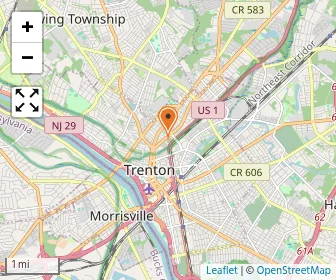
Distance: 1.6 mi
Gr: K-8 | 18 students
Avg. class size: 8 students
Islamic
25 Oxford Street
Trenton, NJ 08638
(609) 695-9900
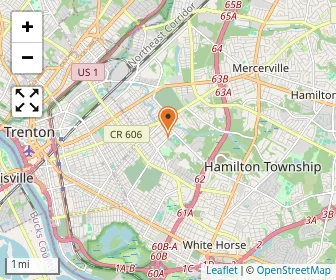
Distance: 1.9 mi
Gr: PK-8 | 278 students
Catholic
177 Leonard Ave
Trenton, NJ 08610
(604) 586-5888
Distance: 1.3 mi
Gr: NS-12 | 78 students
Sports: 22
Specialized Curriculum (Catholic)
137 North Broad Street
Trenton, NJ 08609
(609) 960-2004
Distance: 1.4 mi
Gr: 1-12 | 92 students
Special Education School
526 S Olden Ave
Trenton, NJ 08629
(609) 584-1800
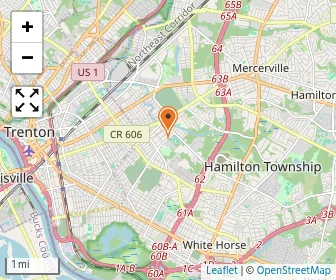
Distance: 1.9 mi
Gr: 9-12 | 277 students
Avg. class size: 20 students
Catholic
175 Leonard Avenue
Trenton, NJ 08610
(609) 586-3075
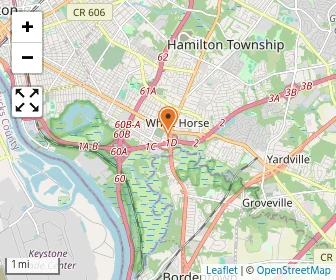
Distance: 2.8 mi
Gr: 6-12 | 22 students
Special Education School
87 Pearson Dr
Trenton, NJ 08610
(609) 888-0101

Distance: 3.2 mi
Gr: 1-12 | 75 students
Special Education School
300 Allendale Dr
Morrisville, PA 19067
(215) 295-1155
Distance: 0.9 mi
Gr: K-8 | 178 students
Catholic
333 South Broad Street
Trenton, NJ 08608
(609) 393-2801
Distance: 1.3 mi
Gr: NS-12 | 78 students
Sports: 22
Specialized Curriculum (Catholic)
137 North Broad Street
Trenton, NJ 08609
(609) 960-2004
Distance: 1.4 mi
Gr: 1-12 | 92 students
Special Education School
526 S Olden Ave
Trenton, NJ 08629
(609) 584-1800
Distance: 1.6 mi
Gr: K-8 | 18 students
Avg. class size: 8 students
Islamic
25 Oxford Street
Trenton, NJ 08638
(609) 695-9900
Distance: 1.9 mi
Gr: PK-8 | 278 students
Catholic
177 Leonard Ave
Trenton, NJ 08610
(604) 586-5888
Distance: 1.3 mi
Gr: NS-12 | 78 students
Sports: 22
Specialized Curriculum (Catholic)
137 North Broad Street
Trenton, NJ 08609
(609) 960-2004
Distance: 1.9 mi
Gr: PK-8 | 278 students
Catholic
177 Leonard Ave
Trenton, NJ 08610
(604) 586-5888
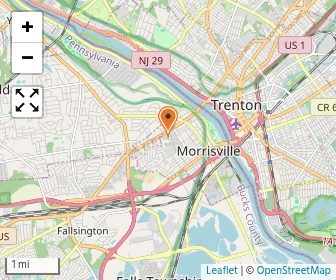
Distance: 2.0 mi
Gr: PK-K | 40 students
Avg. class size: 30 students
Montessori School
501 W. Maple Ave
Morrisville, PA 19067
(215) 295-1170
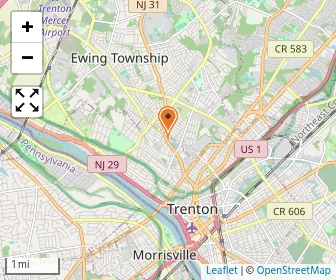
Distance: 2.5 mi
Gr: NS-PK | 27 students
Daycare / Preschool (Seventh Day Adventist)
35 Arlington Avenue
Trenton, NJ 08618
(609) 695-2487
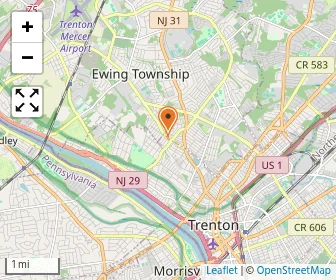
Distance: 3.0 mi
Gr: K | 108 students
Avg. class size: 20 students
Daycare / Preschool
471 Parkway Ave
Trenton, NJ 08618
(609) 695-3711
School
(Math and Reading Proficiency)
(Math and Reading Proficiency)
Location
Miles
Quick Facts
International Charter School
Charter School
(Math: 20-29% | Reading: 11-19%)
Rank:
Rank:
2/
Bottom 50%10
105 Grand Street
Trenton, NJ 08611
(609) 394-3111
Trenton, NJ 08611
(609) 394-3111
0.1 miles
Gr: K-5 | 108 students Student-Teacher Ratio: 12:1
William Harrison Elementary School
(Math: ≤10% | Reading: 9%)
Rank:
Rank:
1/
Bottom 50%10
461 Genessee Street
Trenton, NJ 08611
(609) 656-4750
Trenton, NJ 08611
(609) 656-4750
0.2 miles
Gr: K-3 | 243 students Student-Teacher Ratio: 12:1
New Jersey State Prison
Alternative School
600 Cass Street
Trenton, NJ 08625
(609) 292-9700
Trenton, NJ 08625
(609) 292-9700
0.3 miles
Gr: 9-12
George Washington Elementary School
(Math: 20-24% | Reading: 11%)
Rank:
Rank:
2/
Bottom 50%10
331 Emory Avenue
Trenton, NJ 08611
(609) 656-4960
Trenton, NJ 08611
(609) 656-4960
0.4 miles
Gr: K-3 | 321 students Student-Teacher Ratio: 14:1 Minority enrollment: 99%
Achievers Early College Prep Charter School
Charter School
(Math: 10% | Reading: 34%)
Rank:
Rank:
2/
Bottom 50%10
544 Chestnut Ave
Trenton, NJ 08611
(609) 429-0279
Trenton, NJ 08611
(609) 429-0279
0.5 miles
Gr: 6-11 | 543 students Student-Teacher Ratio: 19:1 Minority enrollment: 99%
Recent Articles

Private School Tuition Insurance: Is It Worth Buying?
Is private school tuition insurance worth buying? Learn what policies cover, compare costs and exclusions, and decide whether protecting your tuition investment makes financial sense for your family.

Medical Leave and Private School Tuition: Parent Guide
What happens to private school tuition during medical leave? Learn about refunds, tuition insurance, enrollment contracts, financial aid, and protecting your child's education while managing unexpected medical expenses and recovery.
Private School Commute: Is the Travel Time Worth It?
Is the commute to private school worth it? Learn how to calculate travel time, protect family routines, assess student well-being, and decide whether a longer journey makes educational sense.