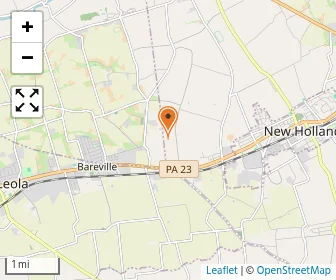
Minnich School in Bird In Hand, PA, offers co–ed education for grades 1 through 8 in a rural community setting with an Amish religious affiliation.
Founded in 1942, the school serves a total enrollment of 29 students with one teacher, resulting in a student–teacher ratio of 29:1.
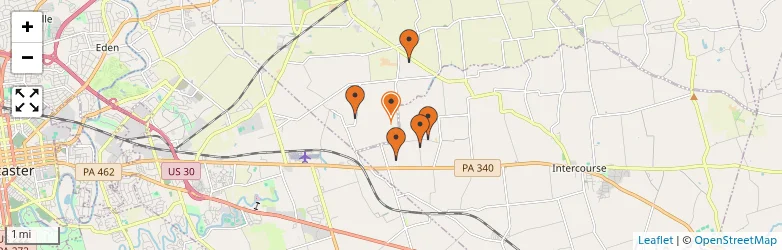
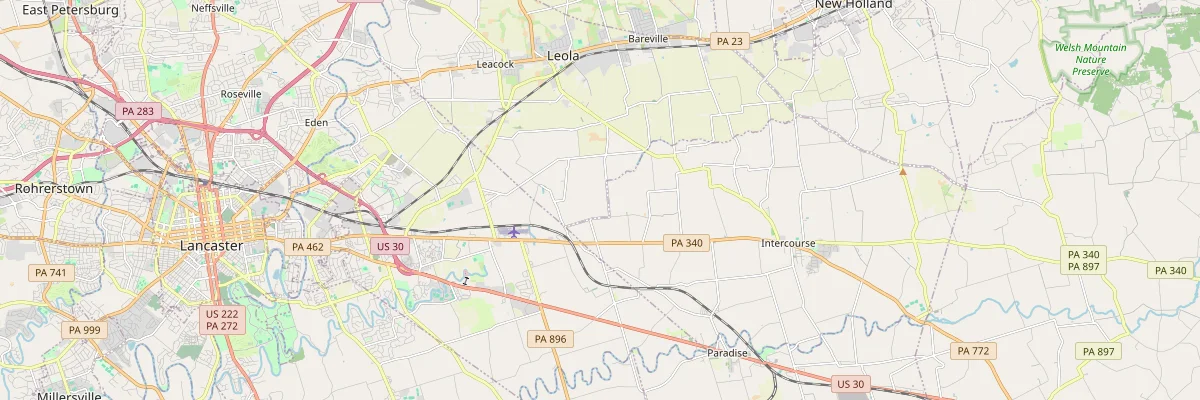
Minnich School is located near other private schools in Bird In Hand, including Gibbons School and Meadow View School, serving similar grade levels.
Quick Facts (2026)
- Grades: 1-8
- Enrollment: 29 students
- Application Deadline: None / Rolling
- Source: National Center for Education Statistics (NCES)

School Overview
Student Body
Total Students
29 students
Student Body Type
Co-ed
Students by Grade
Academics and Faculty
Total Classroom Teachers
1 teacher
Student-Teacher Ratio
29:1
National avg.: 13:1
Average Class Size
25 students
Tuition and Acceptance Rate
Admission Deadline
None / Rolling
School Notes
- School Mascot: Blazers
Source: National Center for Education Statistics (NCES)
Frequently Asked Questions
When is the application deadline for Minnich School?
The application deadline for Minnich School is rolling (applications are reviewed as they are received year-round).
School Reviews
Endorse Minnich School. Endorsements should be a few sentences in length. Please include any comments on:
- Quality of academic programs, teachers, and facilities
- Availability of music, art, sports and other extracurricular activities
- Academic or athletic awards
Recent Articles
First Semester Community College Survival Tips 2026
Essential 2026-updated expert tips to thrive in your first community college semester, from scheduling to finances and support resources.
What to Expect Your First Semester of Community College (2026 Guide)
A 2026 parent and student guide to your first semester at community college—tuition, support services, academics, social life, and success strategies.
How Private Schools Are Preparing Students for an AI-Driven Job Market
Explore how private schools prepare students for 2026’s AI-driven job market with curriculum innovations, skills training, and future-focused pathways.