About the School
- Palm Beach Preparatory School in Palm Beach Gardens, FL offers co–ed education for grades 1 through 12 in a nonsectarian, urban setting.
- The school enrolls 60 students with a student–teacher ratio of 9:1 supported by 7 full–time teachers.
- Approximately 25% of the student body represents students of color, reflecting some racial diversity.
- Tuition details are not provided, but the average private elementary school tuition in Palm Beach Gardens is $17,093.
- The school operates without affiliations to religious or academic membership organizations.
School Facts
Student Body
Total Students
60 students
Student Body Type
Co-ed
% Students of Color
25%
State avg.: 48%
Academic Profile
Total Classroom Teachers
7 teachers
Student-Teacher Ratio
9:1
National avg.: 11:1
Tuition & Financial Aid
Admission Deadline
None / Rolling
Frequently Asked Questions
When is the application deadline for Palm Beach Preparatory School?
The application deadline for Palm Beach Preparatory School is rolling (applications are reviewed as they are received year-round).
Nearby Private Schools
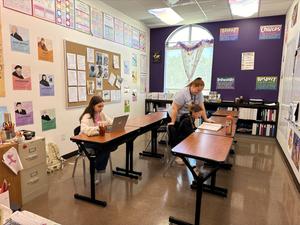
The nearest high school and elementary school to Palm Beach Preparatory School is Score Academy (Score At The Top Palm Beach Llc) (0.1 miles away)
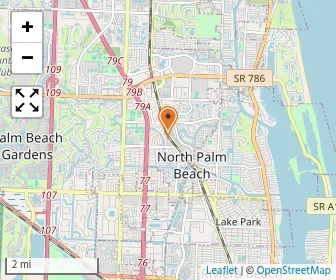
The nearest preschool is Peter Pan Preschool (0.3 miles away)
Show me:
Distance: 0.1 mi
Gr: K-12 | 102 students
Avg. class size: 6 students
Extracurriculars: 18
3901 Design Center Drive
Palm Beach Gardens, FL 33410
(561) 626-2662
Distance: 0.3 mi
Gr: NS-PK | 124 students
Avg. class size: 12 students
Sports: 15 | Extracurriculars: 1
Daycare / Preschool
3576 Ruby Street
Palm Beach Gardens, FL 33410
(561) 622-3628
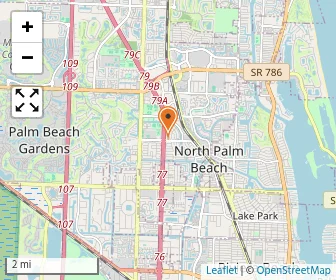
Distance: 0.4 mi
Gr: PK-K | 79 students
Daycare / Preschool (Church of God)
3937 Holly Dr
Palm Beach Gardens, FL 33410
(561) 622-3398
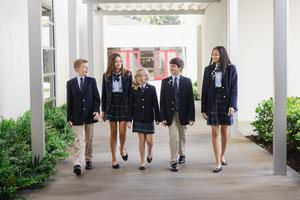
Distance: 0.4 mi
Gr: PK-8 | 470 students
Avg. class size: 13 students
Sports: 9 | Extracurriculars: 31
Episcopal
3395 Burns Road
Palm Beach Gardens, FL 33410
(561) 622-1504
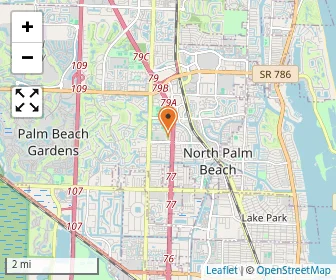
Distance: 0.5 mi
Gr: NS-PK | 48 students
Avg. class size: 12 students
Extracurriculars: 1
Daycare / Preschool (Christian)
4075 Holly Dr
Palm Beach Gardens, FL 33410
(561) 622-4998
Distance: 0.1 mi
Gr: K-12 | 102 students
Avg. class size: 6 students
Extracurriculars: 18
3901 Design Center Drive
Palm Beach Gardens, FL 33410
(561) 626-2662
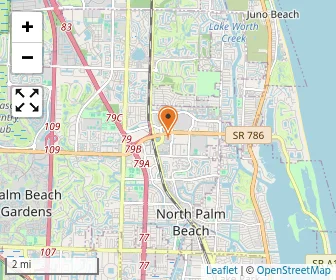
Distance: 1.0 mi
Gr: 6-12
Avg. class size: 1 student
Alternative School
11300 Legacy Avenue, Suite 220
Palm Beach Gardens, FL 33410
(877) 673-8893
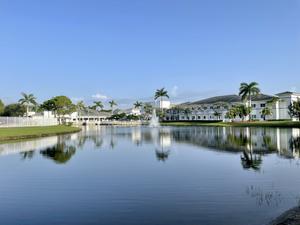
Distance: 2.0 mi
Gr: NS-12 | 1,307 students
Avg. class size: 17 students
Sports: 17 | Extracurriculars: 1
11000 Ellison Wilson Road
North Palm Beach, FL 33408
(561) 472-3451
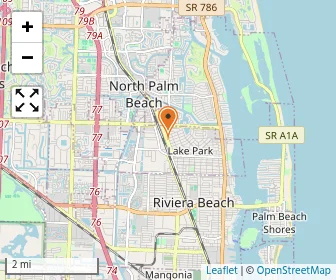
Distance: 2.1 mi
Gr: 2-10 | 13 students
Special Education School
1259 10th St
West Palm Beach, FL 33403
(561) 881-5412
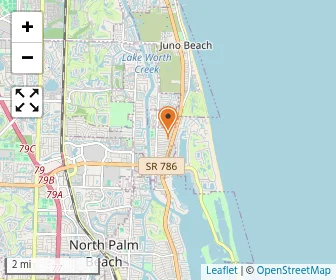
Distance: 2.6 mi
Gr: PK-12 | 21 students
Avg. class size: 1 student
Sports: 8
11981 U.S. Highway 1
North Palm Beach, FL 33408
(561) 625-2288
Distance: 0.1 mi
Gr: K-12 | 102 students
Avg. class size: 6 students
Extracurriculars: 18
3901 Design Center Drive
Palm Beach Gardens, FL 33410
(561) 626-2662
Distance: 0.4 mi
Gr: PK-8 | 470 students
Avg. class size: 13 students
Sports: 9 | Extracurriculars: 31
Episcopal
3395 Burns Road
Palm Beach Gardens, FL 33410
(561) 622-1504
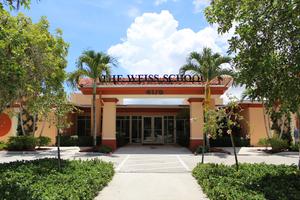
Distance: 0.5 mi
Gr: PK-8 | 326 students
Avg. class size: 16 students
Sports: 10 | Extracurriculars: 23
Specialized Curriculum
4176 Burns Road
Palm Beach Gardens, FL 33410
(561) 627-0740
Distance: 1.0 mi
Gr: 6-12
Avg. class size: 1 student
Alternative School
11300 Legacy Avenue, Suite 220
Palm Beach Gardens, FL 33410
(877) 673-8893
Distance: 1.1 mi
Gr: PK-8 | 411 students
Avg. class size: 16 students
Sports: 5 | Extracurriculars: 4
Christian
9625 N Military Trail
Palm Beach Gardens, FL 33410
(561) 253-3950
Distance: 0.3 mi
Gr: NS-PK | 124 students
Avg. class size: 12 students
Sports: 15 | Extracurriculars: 1
Daycare / Preschool
3576 Ruby Street
Palm Beach Gardens, FL 33410
(561) 622-3628
Distance: 0.4 mi
Gr: PK-K | 79 students
Daycare / Preschool (Church of God)
3937 Holly Dr
Palm Beach Gardens, FL 33410
(561) 622-3398
Distance: 0.4 mi
Gr: PK-8 | 470 students
Avg. class size: 13 students
Sports: 9 | Extracurriculars: 31
Episcopal
3395 Burns Road
Palm Beach Gardens, FL 33410
(561) 622-1504
Distance: 0.5 mi
Gr: NS-PK | 48 students
Avg. class size: 12 students
Extracurriculars: 1
Daycare / Preschool (Christian)
4075 Holly Dr
Palm Beach Gardens, FL 33410
(561) 622-4998
Distance: 0.5 mi
Gr: PK-8 | 326 students
Avg. class size: 16 students
Sports: 10 | Extracurriculars: 23
Specialized Curriculum
4176 Burns Road
Palm Beach Gardens, FL 33410
(561) 627-0740
School
(Math and Reading Proficiency)
(Math and Reading Proficiency)
Location
Miles
Quick Facts
Palm Beach Gardens Elementary School
Magnet School
(Math: 70% | Reading: 77%)
Rank:
Rank:
9/
Top 20%10
10060 Riverside Dr
Palm Beach Gardens, FL 33410
(561) 366-6500
Palm Beach Gardens, FL 33410
(561) 366-6500
0.3 miles
Gr: PK-5 | 712 students Student-Teacher Ratio: 14:1 Minority enrollment: 70%
Palm Beach Gardens High School
Magnet School
(Math: 25% | Reading: 38%)
Rank:
Rank:
2/
Bottom 50%10
4245 Holly Dr
Palm Beach Gardens, FL 33410
(561) 694-7300
Palm Beach Gardens, FL 33410
(561) 694-7300
0.7 miles
Gr: 9-12 | 2,407 students Student-Teacher Ratio: 17:1 Minority enrollment: 88%
Allamanda Elementary School
Magnet School
(Math: 56% | Reading: 58%)
Rank:
Rank:
7/
Top 50%10
10300 Allamanda Dr
Palm Beach Gardens, FL 33410
(561) 803-7200
Palm Beach Gardens, FL 33410
(561) 803-7200
1 miles
Gr: PK-5 | 634 students Student-Teacher Ratio: 11:1 Minority enrollment: 59%
Freedom Preparatory Academy
Charter School
4500 Pga Blvd, Ste 301
Palm Beach Gardens, FL 33418
(772) 429-3600
Palm Beach Gardens, FL 33418
(772) 429-3600
1 miles
Howell L. Watkins Middle School
Magnet School
(Math: 31% | Reading: 34%)
Rank:
Rank:
2/
Bottom 50%10
9480 Macarthur Blvd
West Palm Beach, FL 33403
(561) 776-3600
West Palm Beach, FL 33403
(561) 776-3600
1 miles
Gr: 6-8 | 705 students Student-Teacher Ratio: 16:1 Minority enrollment: 92%
Recent Articles

Private School Tuition Insurance: Is It Worth Buying?
Is private school tuition insurance worth buying? Learn what policies cover, compare costs and exclusions, and decide whether protecting your tuition investment makes financial sense for your family.

Medical Leave and Private School Tuition: Parent Guide
What happens to private school tuition during medical leave? Learn about refunds, tuition insurance, enrollment contracts, financial aid, and protecting your child's education while managing unexpected medical expenses and recovery.
Private School Commute: Is the Travel Time Worth It?
Is the commute to private school worth it? Learn how to calculate travel time, protect family routines, assess student well-being, and decide whether a longer journey makes educational sense.