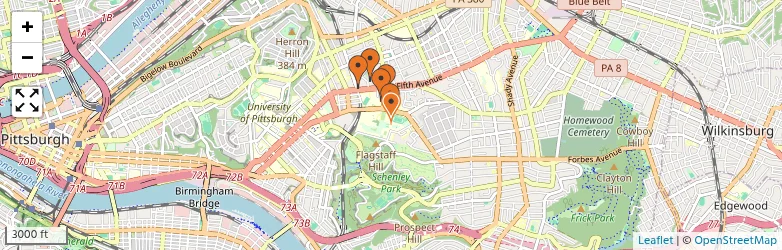
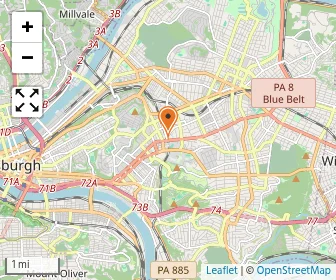
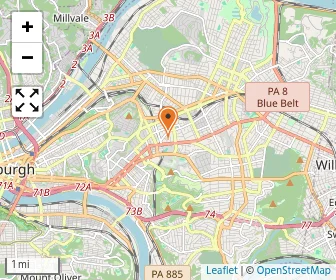
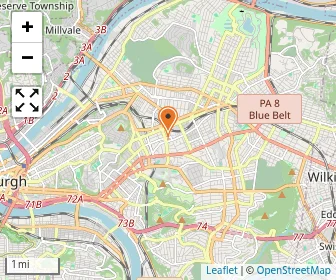
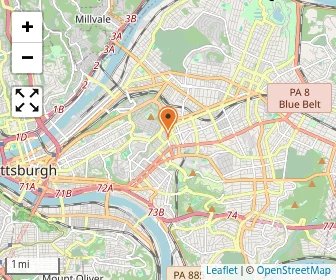
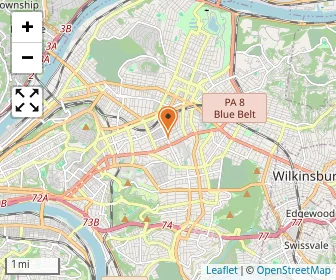
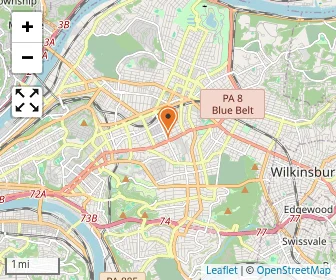
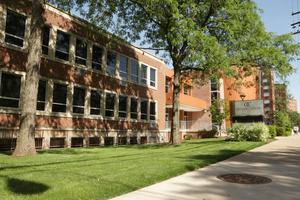
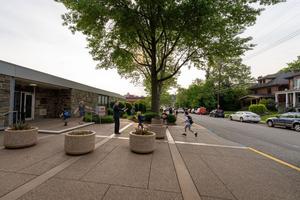
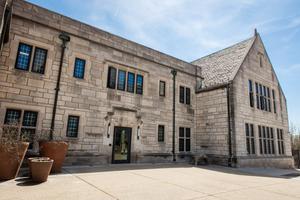
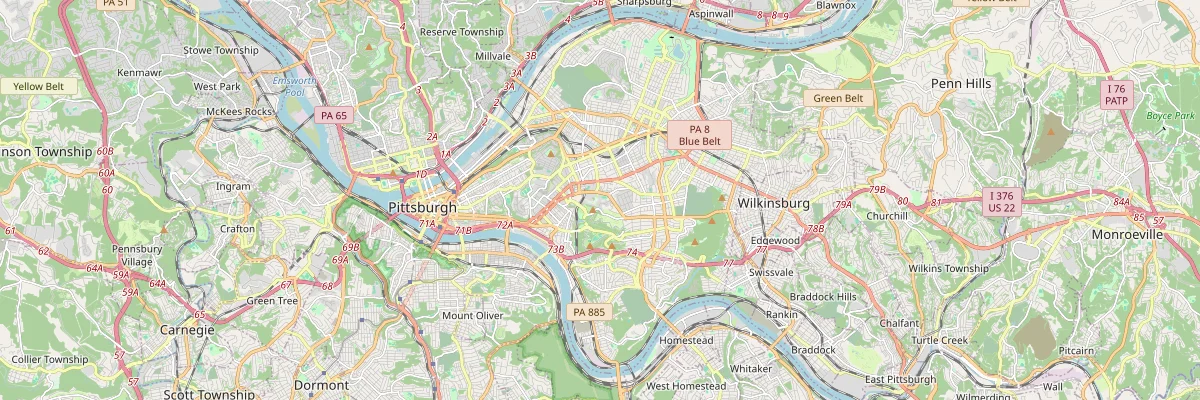
Carnegie Mellon University Children's School in Pittsburgh, PA, offers co–ed early childhood education for grades PK through K in a nonsectarian, city–based program located in the Squirrel Hill North neighborhood.
The school enrolls a total of 88 students with a student–teacher ratio of 44:1, supported by 2 teachers.
Approximately 10% of the student body represents students of color, reflecting some level of diversity within the community.
Tuition data is not provided, but Pittsburgh area private elementary schools have an average tuition of $13,154.
The school serves families in a large city environment and is one of several nearby early childhood options within 0.5 miles of downtown Pittsburgh.
Quick Facts (2026)
- School Type: Early Childhood / Day Care
- Grades: Prekindergarten-Kindergarten
- Enrollment: 88 students
- Application Deadline: None / Rolling
- Source: National Center for Education Statistics (NCES)
School Overview
School Type
Religious Affiliation
Grades Offered
Grades Prekindergarten-Kindergarten
Student Body
Total Students
88 students
Student Body Type
Co-ed
% Students of Color
10%
State avg.: 27%
Students by Grade
Academics and Faculty
Total Classroom Teachers
2 teachers
Student-Teacher Ratio
44:1
National avg.: 11:1
Tuition and Acceptance Rate
Admission Deadline
None / Rolling
Source: National Center for Education Statistics (NCES)
Frequently Asked Questions
When is the application deadline for Carnegie Mellon University Children's School?
The application deadline for Carnegie Mellon University Children's School is rolling (applications are reviewed as they are received year-round).
In what neighborhood is Carnegie Mellon University Children's School located?
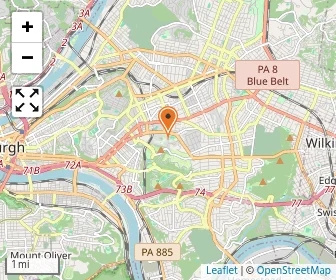
Carnegie Mellon University Children's School is located in the Squirrel Hill North neighborhood of Pittsburgh, PA. There are 7 other private schools located in Squirrel Hill North.
School Reviews
Endorse Carnegie Mellon University Children's School. Endorsements should be a few sentences in length. Please include any comments on:
- Quality of academic programs, teachers, and facilities
- Availability of music, art, sports and other extracurricular activities
- Academic or athletic awards
Recent Articles
A Parent’s Guide to 2026 High School Teaching Methods
Explore 2026 high school teaching methods, from AI integration to project-based learning, and what they mean for your teen’s success.
10 Misconceptions About Private Schools in 2026
Discover the top misconceptions about private schools in 2026, including cost, diversity, academics, and admissions realities.
Private Schools & Sustainability in 2026
Explore how private schools are advancing sustainability in 2026 through green campuses, eco-curriculum, and climate leadership initiatives.