About the School
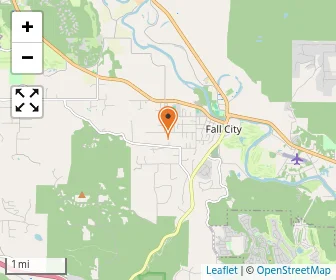
- Snoqualmie Valley Christian School in Fall City, WA, serves 20 students from pre–kindergarten through 7th grade in a rural community setting.
- The co–educational school has a student–teacher ratio of 7:1, supported by three teachers.
- Founded under the Seventh Day Adventist orientation, the school is affiliated with the General Conference of the Seventh Day Adventist Church and the National Association of Independent Schools.
- Approximately 20 percent of the student body represents students of color, reflecting some diversity within the enrollment.
- As a rural private school, Snoqualmie Valley Christian offers elementary and middle grades with a faith–based educational approach aligned with Seventh Day Adventist principles.
School Facts
Religious Affiliation
Grades Offered
Grades Prekindergarten-7
Students By Grade
Student Body
Total Students
20 students
Student Body Type
Co-ed
% Students of Color
20%
State avg.: 32%
Academic Profile
Total Classroom Teachers
3 teachers
Student-Teacher Ratio
7:1
National avg.: 11:1
Tuition & Financial Aid
Admission Deadline
None / Rolling
Frequently Asked Questions
When is the application deadline for Snoqualmie Valley Christian School?
The application deadline for Snoqualmie Valley Christian School is rolling (applications are reviewed as they are received year-round).
Nearby Private Schools
The nearest high school, elementary school and preschool to Snoqualmie Valley Christian School is All-Star Academy (2.9 miles away)
Show me:
Distance: 2.9 mi
Gr: PK-12
Avg. class size: 8 students
Extracurriculars: 1
Alternative School
30355 SE High Point Way
Issaquah, WA 98027
(425) 526-4600
Distance: 3.1 mi
Gr: NS-PK | 24 students
Avg. class size: 12 students
Daycare / Preschool
35320 SE Center St
Snoqualmie, WA 98065
(425) 310-2117
Distance: 3.6 mi
Gr: NS-K
Daycare / Preschool
34510 Se 96th Street
Snoqualmie, WA 98065
(425) 381-4185
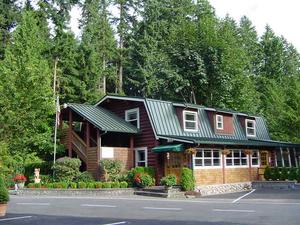
Distance: 4.4 mi
Gr: PK-2 | 85 students
Avg. class size: 18 students
25237 SE Issaquah Fall City Rd
Issaquah, WA 98029
(425) 392-1196
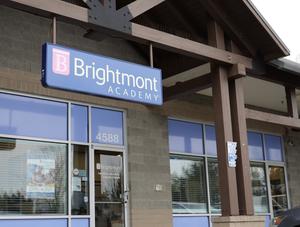
Distance: 4.5 mi
Gr: 1-12
Avg. class size: 1 student
Specialized Curriculum
4588 Klahanie Dr SE Suite 401
Issaquah, WA 98029
(425) 836-1600
Distance: 2.9 mi
Gr: PK-12
Avg. class size: 8 students
Extracurriculars: 1
Alternative School
30355 SE High Point Way
Issaquah, WA 98027
(425) 526-4600
Distance: 4.5 mi
Gr: 1-12
Avg. class size: 1 student
Specialized Curriculum
4588 Klahanie Dr SE Suite 401
Issaquah, WA 98029
(425) 836-1600
Distance: 6.1 mi
Gr: 6-12 | 176 students
2908 228th Ave SE, Ste B
Sammamish, WA 98075
(425) 562-3545
Distance: 6.3 mi
Gr: 1-12 | 23 students
Avg. class size: 1 student
Alternative School
22500 SE 64th PL, #150
Bellevue, WA 98027
(425) 885-6296

Distance: 6.7 mi
Gr: 6-12 | 862 students
Catholic
232 228th Ave Se
Sammamish, WA 98074
(425) 295-3024
Distance: 2.9 mi
Gr: PK-12
Avg. class size: 8 students
Extracurriculars: 1
Alternative School
30355 SE High Point Way
Issaquah, WA 98027
(425) 526-4600
Distance: 4.4 mi
Gr: PK-2 | 85 students
Avg. class size: 18 students
25237 SE Issaquah Fall City Rd
Issaquah, WA 98029
(425) 392-1196
Distance: 4.5 mi
Gr: 1-12
Avg. class size: 1 student
Specialized Curriculum
4588 Klahanie Dr SE Suite 401
Issaquah, WA 98029
(425) 836-1600
Distance: 5.3 mi
Gr: K-3 | 73 students
Specialized Curriculum
930 Ne High St Ste 102
Issaquah, WA 98029
(425) 392-2866
Distance: 6.1 mi
Gr: 6-12 | 176 students
2908 228th Ave SE, Ste B
Sammamish, WA 98075
(425) 562-3545
Distance: 2.9 mi
Gr: PK-12
Avg. class size: 8 students
Extracurriculars: 1
Alternative School
30355 SE High Point Way
Issaquah, WA 98027
(425) 526-4600
Distance: 3.1 mi
Gr: NS-PK | 24 students
Avg. class size: 12 students
Daycare / Preschool
35320 SE Center St
Snoqualmie, WA 98065
(425) 310-2117
Distance: 3.6 mi
Gr: NS-K
Daycare / Preschool
34510 Se 96th Street
Snoqualmie, WA 98065
(425) 381-4185
Distance: 4.4 mi
Gr: PK-2 | 85 students
Avg. class size: 18 students
25237 SE Issaquah Fall City Rd
Issaquah, WA 98029
(425) 392-1196
Distance: 5.0 mi
Gr: PK-K | 82 students
Avg. class size: 24 students
Sports: 3 | Extracurriculars: 2
Montessori School
24326 SE Issaquah Fall City Rd
Issaquah, WA 98029
(425) 557-7705
School
(Math and Reading Proficiency)
(Math and Reading Proficiency)
Location
Miles
Quick Facts
Chief Kanim Middle School
(Math: 65% | Reading: 75%)
Rank:
Rank:
9/
Top 20%10
32627 Se Redmond Fall City R
Fall City, WA 98024
(425) 831-8225
Fall City, WA 98024
(425) 831-8225
0.6 miles
Gr: 6-8 | 520 students Student-Teacher Ratio: 19:1 Minority enrollment: 39%
Fall City Elementary School
(Math: 75% | Reading: 81%)
Rank:
Rank:
10/
Top 5%10
33314 Se 42
Fall City, WA 98024
(425) 831-4000
Fall City, WA 98024
(425) 831-4000
0.7 miles
Gr: K-5 | 456 students Student-Teacher Ratio: 15:1 Minority enrollment: 26%
Cascade View Elementary School
(Math: 81% | Reading: 81%)
Rank:
Rank:
10/
Top 5%10
34816 Se Ridge Street
Snoqualmie, WA 98065
(425) 831-4100
Snoqualmie, WA 98065
(425) 831-4100
2.7 miles
Gr: K-5 | 493 students Student-Teacher Ratio: 16:1 Minority enrollment: 30%
Timber Ridge Elementary School
(Math: 72% | Reading: 76%)
Rank:
Rank:
10/
Top 10%10
34412 Se Swenson Dr
Snoqualmie, WA 98065
(425) 831-3825
Snoqualmie, WA 98065
(425) 831-3825
2.9 miles
Gr: K-5 | 607 students Student-Teacher Ratio: 15:1 Minority enrollment: 47%
Echo Glen School
(Math: ≤10% | Reading: ≤10%)
Rank:
Rank:
1/
Bottom 50%10
33010 Se 99th St
Snoqualmie, WA 98065
(425) 831-2520
Snoqualmie, WA 98065
(425) 831-2520
3 miles
Gr: 5-12 | 104 students Student-Teacher Ratio: 7:1 Minority enrollment: 68%
Recent Articles

Private School Tuition Insurance: Is It Worth Buying?
Is private school tuition insurance worth buying? Learn what policies cover, compare costs and exclusions, and decide whether protecting your tuition investment makes financial sense for your family.

Medical Leave and Private School Tuition: Parent Guide
What happens to private school tuition during medical leave? Learn about refunds, tuition insurance, enrollment contracts, financial aid, and protecting your child's education while managing unexpected medical expenses and recovery.
Private School Commute: Is the Travel Time Worth It?
Is the commute to private school worth it? Learn how to calculate travel time, protect family routines, assess student well-being, and decide whether a longer journey makes educational sense.