About the School
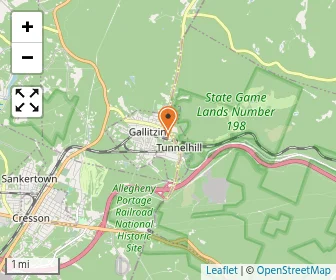
- St. Demetrius School in Gallitzin, PA, offers co–ed education for grades K–8 in a rural/small town community.
- The school enrolls 62 udents and maintains a student–teacher ratio of 12:1 with 5 full–time teachers.
- Demetrius is affiliated with the Catholic religion and is a member of the National Association of Episcopal Schools.
- The school provides an elementary and middle school program with a focus on regular academic inruction.
- Tuition details are not specified, but enrollment size and grade span make it a small K–8 Catholic private school option in Gallitzin.
School Facts
Student Body
Total Students
62 students
Student Body Type
Co-ed
Academic Profile
Total Classroom Teachers
5 teachers
Student-Teacher Ratio
12:1
National avg.: 11:1
Tuition & Financial Aid
Admission Deadline
None / Rolling
Frequently Asked Questions
When is the application deadline for St. Demetrius School?
The application deadline for St. Demetrius School is rolling (applications are reviewed as they are received year-round).
Nearby Private Schools
The nearest high school to St. Demetrius School is Blair County Christian School (6.8 miles away)
The nearest elementary school and preschool is All Saints Catholic School (2.5 miles away)
Show me:
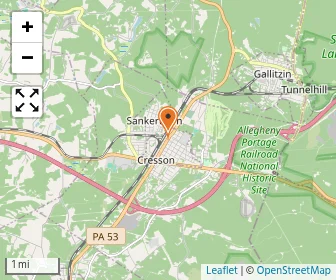
Distance: 2.5 mi
Gr: PK-8 | 121 students
Catholic
220 Powell Ave
Cresson, PA 16630
(814) 886-7942
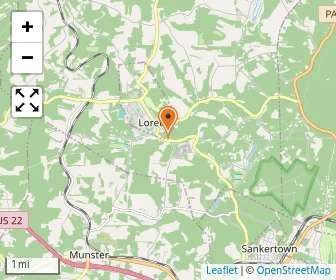
Distance: 4.5 mi
Gr: K-8 | 90 students
Avg. class size: 10 students
Sports: 9
Catholic
301 Saint Elizabeth St
Loretto, PA 15940
(814) 472-9117
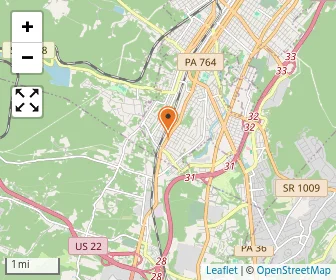
Distance: 6.4 mi
Gr: 5-8 | 111 students
Catholic
5519 6th Ave
Altoona, PA 16602
(814) 942-7835
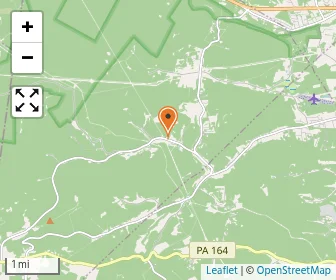
Distance: 6.8 mi
Gr: PK-12 | 129 students
Avg. class size: 8 students
Sports: 2
Baptist
925 Blacks Lane
Duncansville, PA 16635
(814) 696-3702
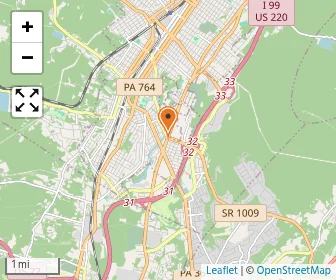
Distance: 7.5 mi
Gr: PK-K | 50 students
Daycare / Preschool
113 Byron Ave
Altoona, PA 16602
(814) 942-6419
Distance: 6.8 mi
Gr: PK-12 | 129 students
Avg. class size: 8 students
Sports: 2
Baptist
925 Blacks Lane
Duncansville, PA 16635
(814) 696-3702
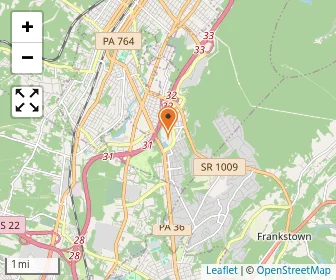
Distance: 7.9 mi
Gr: K-12 | 24 students
Special Education School
23215 Route 34 S
Mifflin, PA 17058
(814) 317-0412
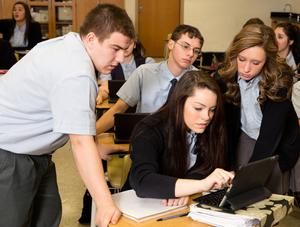
Distance: 8.0 mi
Gr: 6-12 | 285 students
Avg. class size: 15 students
Sports: 15 | Extracurriculars: 34
Catholic
2400 Pleasant Valley Boulevard
Altoona, PA 16602
(814) 944-4014

Distance: 8.2 mi
Gr: 5-12 | 14 students
Alternative School
600s. Jaggard St.
Altoona, PA 16602
(814) 204-0018
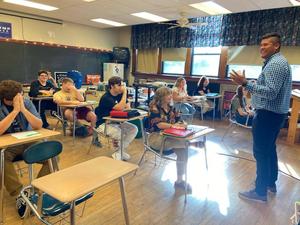
Distance: 8.2 mi
Gr: PK-12 | 146 students
Avg. class size: 11 students
Sports: 3 | Extracurriculars: 7
Christian
1100 6th Avenue
Altoona, PA 16602
(814) 942-9710
Distance: 2.5 mi
Gr: PK-8 | 121 students
Catholic
220 Powell Ave
Cresson, PA 16630
(814) 886-7942
Distance: 4.5 mi
Gr: K-8 | 90 students
Avg. class size: 10 students
Sports: 9
Catholic
301 Saint Elizabeth St
Loretto, PA 15940
(814) 472-9117
Distance: 6.4 mi
Gr: 5-8 | 111 students
Catholic
5519 6th Ave
Altoona, PA 16602
(814) 942-7835
Distance: 6.8 mi
Gr: PK-12 | 129 students
Avg. class size: 8 students
Sports: 2
Baptist
925 Blacks Lane
Duncansville, PA 16635
(814) 696-3702
Distance: 7.9 mi
Gr: K-12 | 24 students
Special Education School
23215 Route 34 S
Mifflin, PA 17058
(814) 317-0412
Distance: 2.5 mi
Gr: PK-8 | 121 students
Catholic
220 Powell Ave
Cresson, PA 16630
(814) 886-7942
Distance: 6.8 mi
Gr: PK-12 | 129 students
Avg. class size: 8 students
Sports: 2
Baptist
925 Blacks Lane
Duncansville, PA 16635
(814) 696-3702
Distance: 7.5 mi
Gr: PK-K | 50 students
Daycare / Preschool
113 Byron Ave
Altoona, PA 16602
(814) 942-6419
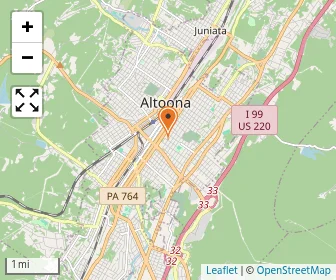
Distance: 8.1 mi
Gr: PK-8 | 269 students
Catholic
1400 4th Ave
Altoona, PA 16602
(814) 943-4371
Distance: 8.2 mi
Gr: PK-12 | 146 students
Avg. class size: 11 students
Sports: 3 | Extracurriculars: 7
Christian
1100 6th Avenue
Altoona, PA 16602
(814) 942-9710
School
(Math and Reading Proficiency)
(Math and Reading Proficiency)
Location
Miles
Quick Facts
Penn Cambria Middle School
(Math: 29% | Reading: 61%)
Rank:
Rank:
5/
Bottom 50%10
401 Division St
Gallitzin, PA 16641
(814) 886-4181
Gallitzin, PA 16641
(814) 886-4181
0.5 miles
Gr: 6-8 | 343 students Student-Teacher Ratio: 16:1 Minority enrollment: 4%
205 6th St
Cresson, PA 16630
(814) 886-8166
Cresson, PA 16630
(814) 886-8166
2.2 miles
Gr: PK-K | 103 students Student-Teacher Ratio: 10:1 Minority enrollment: 8%
Penn Cambria High School
(Math: 70-74% | Reading: 75-79%)
Rank:
Rank:
10/
Top 10%10
401 Linden Ave
Cresson, PA 16630
(814) 886-8188
Cresson, PA 16630
(814) 886-8188
2.3 miles
Gr: 9-12 | 538 students Student-Teacher Ratio: 15:1 Minority enrollment: 3%
400 Main St
Lilly, PA 15938
(814) 886-2151
Lilly, PA 15938
(814) 886-2151
5.1 miles
Gr: 1-2 | 175 students Student-Teacher Ratio: 13:1 Minority enrollment: 8%
Mowrie A Ebner Elementary School
(Math: 33% | Reading: 39%)
Rank:
Rank:
3/
Bottom 50%10
308 Hillside Avenue
Altoona, PA 16601
(814) 946-8400
Altoona, PA 16601
(814) 946-8400
5.8 miles
Gr: K-5 | 349 students Student-Teacher Ratio: 11:1 Minority enrollment: 23%
Recent Articles

Private School Tuition Insurance: Is It Worth Buying?
Is private school tuition insurance worth buying? Learn what policies cover, compare costs and exclusions, and decide whether protecting your tuition investment makes financial sense for your family.

Medical Leave and Private School Tuition: Parent Guide
What happens to private school tuition during medical leave? Learn about refunds, tuition insurance, enrollment contracts, financial aid, and protecting your child's education while managing unexpected medical expenses and recovery.
Private School Commute: Is the Travel Time Worth It?
Is the commute to private school worth it? Learn how to calculate travel time, protect family routines, assess student well-being, and decide whether a longer journey makes educational sense.