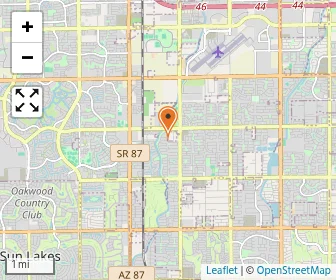
About the School
- East Valley Acton Academy in Gilbert, AZ, offers a nonsectarian Montessori program serving 12 students from pre–kindergarten through 8th grade in a suburban community.
- The school maintains a student–teacher ratio of 6:1 with 2 teachers supporting its co–ed enrollment size.
- Approximately 20% of the student body represents students of color, reflecting some level of diversity within the school population.
- Tuition data is not specified; however, the average elementary private school tuition in Gilbert is $15,317.
- East Valley Acton Academy is located near several early childhood programs in Chandler, AZ, providing local families with preschool and kindergarten options within a few miles.
School Facts
School Type
Religious Affiliation
Grades Offered
Grades Prekindergarten-8
Students By Grade
Student Body
Total Students
12 students
Student Body Type
Co-ed
% Students of Color
20%
State avg.: 39%
Academic Profile
Total Classroom Teachers
2 teachers
Student-Teacher Ratio
6:1
National avg.: 11:1
Tuition & Financial Aid
Admission Deadline
None / Rolling
Frequently Asked Questions
When is the application deadline for East Valley Acton Academy?
The application deadline for East Valley Acton Academy is rolling (applications are reviewed as they are received year-round).
Nearby Private Schools
The nearest high school and elementary school to East Valley Acton Academy is Creo Farm School Middle & High School (3.3 miles away)
The nearest preschool is Strong Foundations Academy (1.9 miles away)
Show me:
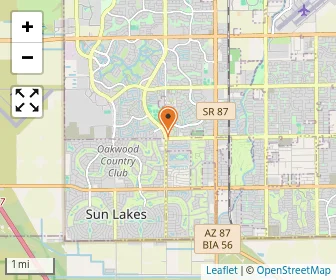
Distance: 1.9 mi
Gr: PK-K | 61 students
Daycare / Preschool
985 W Chandler Heights Rd # 4
Chandler, AZ 85248
(480) 738-3346
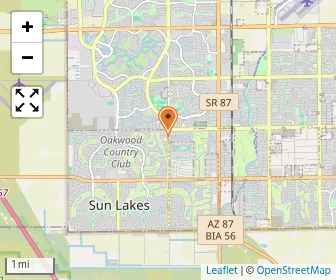
Distance: 2.0 mi
Gr: PK-K | 99 students
Avg. class size: 11 students
Daycare / Preschool (Lutheran Church Missouri Synod)
23914 S Alma School Road
Chandler, AZ 85248
(480) 802-1505
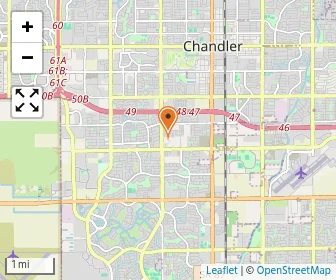
Distance: 2.9 mi
Gr: NS-PK
Daycare / Preschool (Christian)
1825 S Alma School Road
Chandler, AZ 85248
(480) 917-0561
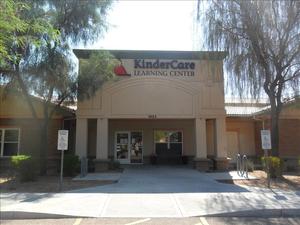
Distance: 2.9 mi
Gr: NS-PK
Daycare / Preschool
1955 South Alma School Rd.
Chandler, AZ 85286
(480) 786-5125
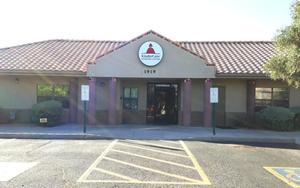
Distance: 3.2 mi
Gr: NS-PK
Daycare / Preschool
1919 West Queen Creek Rd.
Chandler, AZ 85248
(480) 786-1923
Distance: 3.3 mi
Gr: 7-12 | 72 students
Avg. class size: 13 students
Montessori School
21311 S Lindsey rd
Gilbert, AZ 85298
(480) 912-3734
Distance: 3.3 mi
Gr: K-12 | 241 students
Avg. class size: 21 students
Sports: 6 | Extracurriculars: 5
Baptist
2211 W Germann Rd
Chandler, AZ 85286
(480) 245-7902
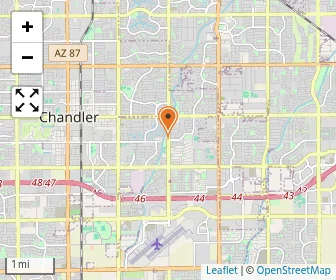
Distance: 4.0 mi
Gr: 7-12 | 45 students
Special Education School
290 S Cooper Rd
Chandler, AZ 85225
(480) 812-7169
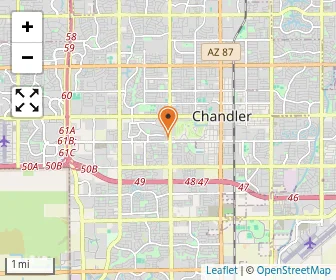
Distance: 4.2 mi
Gr: 4-11 | 20 students
Special Education School
912 W Chandler Blvd Ste B-7
Chandler, AZ 85225
(480) 637-4566
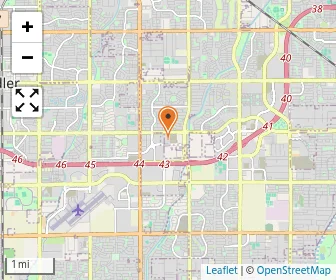
Distance: 4.2 mi
Gr: 4-12
Avg. class size: 1 student
Alternative School
400 E. Rivulon Boulevard, Suite 113
Gilbert, AZ 85297
(877) 673-8893
Distance: 3.3 mi
Gr: 7-12 | 72 students
Avg. class size: 13 students
Montessori School
21311 S Lindsey rd
Gilbert, AZ 85298
(480) 912-3734
Distance: 3.3 mi
Gr: K-12 | 241 students
Avg. class size: 21 students
Sports: 6 | Extracurriculars: 5
Baptist
2211 W Germann Rd
Chandler, AZ 85286
(480) 245-7902
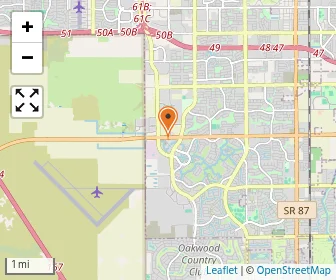
Distance: 3.5 mi
Gr: PK-1 | 48 students
Montessori School
2625 W Queen Creek Rd Ste 6
Chandler, AZ 85248
(480) 963-2550
Distance: 4.0 mi
Gr: 7-12 | 45 students
Special Education School
290 S Cooper Rd
Chandler, AZ 85225
(480) 812-7169
Distance: 4.2 mi
Gr: 4-11 | 20 students
Special Education School
912 W Chandler Blvd Ste B-7
Chandler, AZ 85225
(480) 637-4566
Distance: 1.9 mi
Gr: PK-K | 61 students
Daycare / Preschool
985 W Chandler Heights Rd # 4
Chandler, AZ 85248
(480) 738-3346
Distance: 2.0 mi
Gr: PK-K | 99 students
Avg. class size: 11 students
Daycare / Preschool (Lutheran Church Missouri Synod)
23914 S Alma School Road
Chandler, AZ 85248
(480) 802-1505
Distance: 2.9 mi
Gr: NS-PK
Daycare / Preschool (Christian)
1825 S Alma School Road
Chandler, AZ 85248
(480) 917-0561
Distance: 2.9 mi
Gr: NS-PK
Daycare / Preschool
1955 South Alma School Rd.
Chandler, AZ 85286
(480) 786-5125
Distance: 3.2 mi
Gr: NS-PK
Daycare / Preschool
1919 West Queen Creek Rd.
Chandler, AZ 85248
(480) 786-1923
School
(Math and Reading Proficiency)
(Math and Reading Proficiency)
Location
Miles
Quick Facts
Santan Elementary School
(Math: 64% | Reading: 66%)
Rank:
Rank:
10/
Top 10%10
1550 E Chandler Heights Rd
Chandler, AZ 85249
(480) 883-4700
Chandler, AZ 85249
(480) 883-4700
0.8 miles
Gr: PK-6 | 548 students Student-Teacher Ratio: 14:1 Minority enrollment: 45%
Santan Junior High School
(Math: 45% | Reading: 52%)
Rank:
Rank:
8/
Top 30%10
1550 E Chandler Heights Rd
Chandler, AZ 85249
(480) 883-4600
Chandler, AZ 85249
(480) 883-4600
0.8 miles
Gr: 7-8 | 1,085 students Student-Teacher Ratio: 19:1 Minority enrollment: 42%
Hamilton High School
(Math: 61% | Reading: 66%)
Rank:
Rank:
10/
Top 10%10
3700 S Arizona Ave
Chandler, AZ 85248
(480) 883-5000
Chandler, AZ 85248
(480) 883-5000
1 miles
Gr: 8-12 | 3,444 students Student-Teacher Ratio: 20:1 Minority enrollment: 62%
Basis Chandler Primary- South Campus
Charter School
(Math: 85% | Reading: 80-84%)
Rank:
Rank:
10/
Top 1%10
204 W. Chandler Heights Rd.
Chandler, AZ 85248
(480) 494-2200
Chandler, AZ 85248
(480) 494-2200
1.1 miles
Gr: K-5 | 488 students Student-Teacher Ratio: 15:1 Minority enrollment: 94%
Ira A. Fulton Elementary School
(Math: 51% | Reading: 59%)
Rank:
Rank:
9/
Top 20%10
4750 S Sunland Dr
Chandler, AZ 85248
(480) 224-3300
Chandler, AZ 85248
(480) 224-3300
1.2 miles
Gr: PK-6 | 502 students Student-Teacher Ratio: 15:1 Minority enrollment: 44%
Recent Articles

Should Your Child Stay at the Same Private School K–12?
Explore whether your child should attend the same private school from kindergarten through graduation, weighing academic continuity, friendships, changing needs, tuition costs, and opportunities at different educational stages.

When Your Child's Closest Friends Leave Private School
Learn how to support your child when close friends leave private school, manage loneliness, maintain friendships, encourage new connections, recognize emotional challenges, and decide when additional school support is needed.

When Your Child Doesn't Connect With Their Teacher
Discover when parents should intervene if their child struggles to connect with a private school teacher, including warning signs, communication strategies, classroom concerns, and practical steps toward improving relationships.