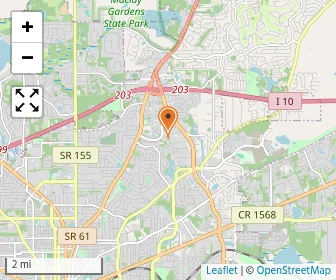
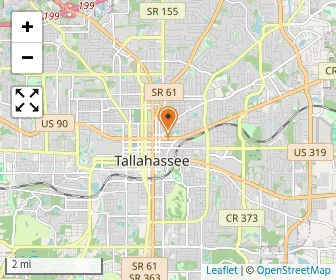
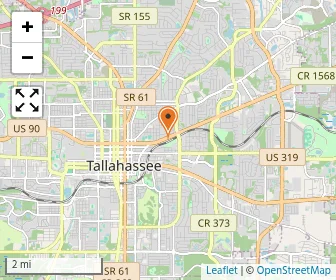
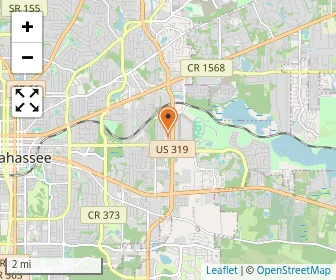
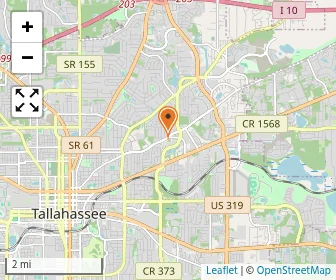
Located in Tallahassee, FL, Florida Autism Center serves 27 students in kindergarten through sixth grade within a nonsectarian, city–based special education program.
Founded in 2017, the school provides early elementary education with a student–teacher ratio of 2:1 supported by 15 teachers.
The student body is approximately 41% students of color, reflecting diverse representation in the Greater Brandt Hills neighborhood.
Florida Autism Center operates in a midsize city setting and focuses exclusively on serving students with special education needs from kindergarten through grade 6.
Compared to nearby Tallahassee private schools, it has a notably low student–teacher ratio, offering more individualized attention in a small enrollment environment.
Quick Facts (2025-26)
- School Type: Special Education School
- Grades: Kindergarten-6
- Enrollment: 27 students
- Application Deadline: None / Rolling
- Source: National Center for Education Statistics (NCES)
School Overview
School Type
Religious Affiliation
Grades Offered
Grades Kindergarten-6
Year Founded
2017
School Calendar
Student Body
Total Students
27 students
Student Body Type
Co-ed
% Students of Color
41%
State avg.: 47%
Students by Grade
Academics and Faculty
Total Classroom Teachers
15 teachers
Student-Teacher Ratio
2:1
National avg.: 13:1
Tuition and Acceptance Rate
Admission Deadline
None / Rolling
Application URL
School Notes
- School Motto: Changing the world for children with autism.
Source: National Center for Education Statistics (NCES)
Frequently Asked Questions
When is the application deadline for Florida Autism Center?
The application deadline for Florida Autism Center is rolling (applications are reviewed as they are received year-round).
In what neighborhood is Florida Autism Center located?
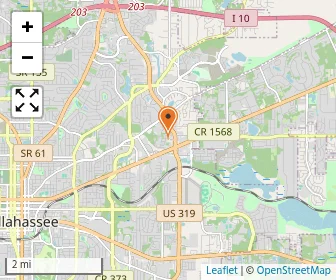
Florida Autism Center is located in the Greater Brandt Hills neighborhood of Tallahassee, FL.
School Reviews
Endorse Florida Autism Center. Endorsements should be a few sentences in length. Please include any comments on:
- Quality of academic programs, teachers, and facilities
- Availability of music, art, sports and other extracurricular activities
- Academic or athletic awards
Recent Articles
How to Start a Private School in 2025: Complete K–12 Guide
A practical, updated guide to starting a private K–12 school in 2025, covering legal steps, planning, finance, and enrollment strategy.
Why Private School? Key Considerations for Families in 2025
Learn why families choose private school in 2025, including academics, class size, safety, tuition trends, and admissions guidance.
Scholarships & Financial Aid for 2026 Entry
A comprehensive guide to scholarships, bursaries, and financial aid options for 2026 entry at U.S. private schools.